The 1960s File Feature
I Saw Her Again
"I Saw Her Again" — The Mamas and the Papas in the Summer of '66 The Summer That Changed Pop Music The summer of 1966 was extraordinary by any measure of pop…
01 The Story
"I Saw Her Again" — The Mamas and the Papas in the Summer of '66
The Summer That Changed Pop Music
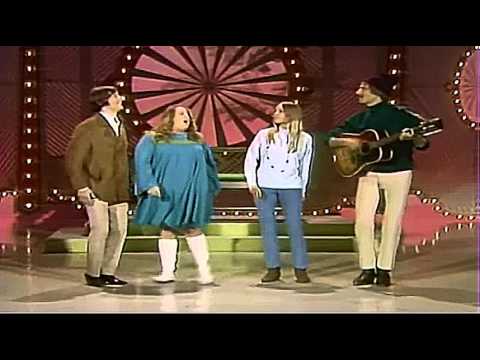
The summer of 1966 was extraordinary by any measure of popular music history. The Beatles released Revolver. The Beach Boys unveiled Pet Sounds. Bob Dylan was recovering from his motorcycle accident that would send him into the Woodstock seclusion. Against this backdrop of creative explosion, the Los Angeles-based vocal group the Mamas and the Papas were operating at the peak of their commercial powers, having launched from virtual obscurity to the very top of the charts in less than a year. I Saw Her Again landed in the middle of that golden summer and reminded everyone that the group's ability to produce hit singles was as reliable as it was seemingly effortless.
The Creative Tension Behind the Song
The Mamas and the Papas were a group defined by their personal dynamics as much as their musical ones. The complex relationships among John Phillips, Denny Doherty, Michelle Phillips, and Cass Elliot were never far from the surface of their music, and I Saw Her Again drew directly from real-life conflict within the group. The song was written by John Phillips and Denny Doherty, and it documented the emotional consequences of a romantic entanglement that involved members of the group itself. Doherty's romantic involvement with Michelle Phillips, behind John's back, was the biographical fact that gave the song its particular ache. Doherty sang the lead vocal on a song confessing to exactly the kind of behavior that was fracturing the group's internal relationships.
That Famous Vocal Flub
One of the most discussed moments in the song's recording history is the accidental double-entry of Doherty's vocal in the bridge, where his voice comes in too early and then restarts. The accident was preserved in the final recording rather than corrected, and the flub became one of the most recognizable moments in the record. It gives the recording a certain human vulnerability that perfectly suited a song about guilt and compulsion. Whether the decision to keep it was deliberate or simply accepted after the fact, the result was a production choice that served the emotional content in ways a clean take might not have.
Chart History
The song debuted on the Billboard Hot 100 on July 2, 1966, entering at number 53. Its ascent was swift and decisive, reflecting the group's established commercial position after the enormous success of California Dreamin' and Monday Monday. Within two weeks it had climbed from 53 to 19, then to 14, then to 9, and finally to its peak position of number 5 on July 30, 1966. Nine weeks on the chart captured a tight, intense period of commercial activity that reflected the summer single-driven market of the mid-1960s. A number 5 peak for the Mamas and the Papas in the summer of 1966 was almost a modest outcome given where they had been earlier that year, which tells you something about the extraordinary standard they had set.
Legacy Within the Group's Arc
The Mamas and the Papas would continue to release music through 1968 before the personal tensions that I Saw Her Again partly documented finally fractured the group beyond repair. In retrospect, the song sits at a curious moment in that trajectory: a commercial success drawn from the group's real pain, performed with the harmony and skill that made them one of the most distinctive vocal groups of the decade. The four-part harmonies that distinguished the recording, that particular blend of voices that sounded like nobody else in 1966, are fully present and fully magnificent even as the song's subject matter circles around betrayal. That contradiction, beauty in service of confession, is part of what makes the Mamas and the Papas catalog so compelling to revisit.
Put it on and hear what California sounded like when it was the center of the pop world.
"I Saw Her Again" — The Mamas & The Papas' singular moment on the 1960s charts.
02 Song Meaning
"I Saw Her Again" — Guilt, Harmony, and the Confessional Pop Song
Confession as Pop Structure
Pop music has always accommodated confession, but the form it takes has shifted significantly across decades. In the mid-1960s, the confessional song typically operated within conventions of romantic narrative, using first-person address to describe experiences the audience could recognize and feel. I Saw Her Again operates precisely within those conventions while pushing against their edges. The narrator returns to a romantic situation he knows is wrong, pulled back by compulsion rather than virtue. The song's emotional honesty about weakness and repetition gave it a more complicated psychological texture than the average pop hit of its era, which tended toward more straightforward romantic resolution or straightforward romantic despair.
The Psychology of Compulsion
What the song describes, with more specificity than most pop songs of its era were willing to commit to, is the experience of returning to something you know you should leave behind. The narrator acknowledges the wrongness of the situation even as he finds himself unable to stop. This psychological realism, the portrait of a person caught between knowledge and behavior, gave the song a particular resonance with listeners who recognized the gap between what they knew to be right and what they found themselves doing. The self-awareness without self-correction is what makes the emotional content of the song feel genuinely complex, rather than melodramatic or falsely resolved.
Harmony as Irony
The Mamas and the Papas' signature was their vocal harmony, and I Saw Her Again delivers that harmony in full measure. The irony is considerable: a song about betrayal, about returning to a situation that fractures trust and relationships, performed by four voices blending in perfect collaborative unity. The beauty of the harmony stands in direct tension with the moral complexity of the lyrical content, creating a listening experience that operates on multiple emotional registers simultaneously. The voices that sound so natural and easy together are singing about exactly the kind of behavior that was, in the group's actual biography, tearing their collaborative world apart.
The Accidental Flub as Emotional Truth
The well-documented vocal accident in the recording, where Denny Doherty's voice enters too early in the bridge and then restarts, has fascinated listeners for decades because it functions as a moment of genuine unguardedness in a highly produced pop record. The crack in the performance mirrors the crack in the narrator's resolve: both involve a failure of control at a moment when control is most needed. Whether this parallel was consciously recognized at the time is unknowable, but the effect is to give the recording a human fallibility that reinforces its emotional content. Perfect polish might have made the song sound more accomplished; the retained mistake made it sound more true.
The Summer of 1966 as Emotional Context
The song arrived at a moment when pop music was in the middle of a dramatic expansion of its emotional and thematic range. The summer that produced Revolver and Pet Sounds was a summer in which ambitious artists were testing how much interior experience pop could accommodate. I Saw Her Again was not aiming for that kind of formal ambition, but it participated in the era's willingness to bring real psychological complexity into a commercial format. The song treated its audience as capable of sitting with unresolved moral situations, a small act of respect that distinguished it from more tidy romantic narratives of the period. That respect, combined with the group's matchless vocal craft, is why the song still resonates with listeners who encounter it more than half a century after its release.
"I Saw Her Again" — The Mamas & The Papas' singular moment on the 1960s charts.
→ More from The Mamas & The Papas
View all The Mamas & The Papas hits →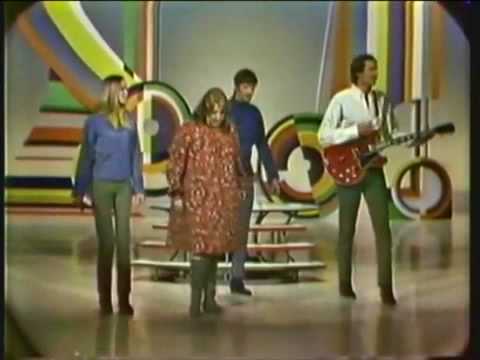


→ More from the 1960s File
View all 1960s hits →




Keep digging