The 1960s File Feature
Dancing In The Street
Dancing In The Street — The Mamas & The Papas A Classic Reclaimed in the California Sunshine Picture the winter of 1966 turning into 1967. The Mamas and the …
01 The Story
Dancing In The Street — The Mamas & The Papas
A Classic Reclaimed in the California Sunshine
Picture the winter of 1966 turning into 1967. The Mamas and the Papas are riding an extraordinary wave of popular success, their lush four-part harmonies defining a sound that felt simultaneously of the moment and somehow out of time, rooted in folk music traditions but polished to a gleaming pop brightness. Against that backdrop, the group released a cover of "Dancing in the Street," a song that had already burned through American culture like a signal fire, and they brought their own unmistakable personality to it.
The original "Dancing in the Street" was written by Marvin Gaye, William "Mickey" Stevenson, and Ivy Jo Hunter, and Martha and the Vandellas recorded the definitive Motown version in 1964. That recording was a piece of pure kinetic joy, an invitation to collective celebration that radio programmers played constantly and audiences never tired of. It reached number 2 on the Hot 100 and became one of the most recognizable records of the decade. Covering it was an act of genuine ambition.
The Mamas and the Papas at Full Power
By late 1966, John Phillips, Denny Doherty, Cass Elliot, and Michelle Phillips had already demonstrated they could handle almost any material through the sheer force of their vocal blend. Their arrangement of "Dancing in the Street" leaned into the California folk-pop approach that producer Lou Adler had helped them develop: cleaner and more acoustic in texture than the original Motown brass and percussion workout, but with the group's trademark vocal interplay adding its own kind of energy.
Lou Adler's production for the group was consistently among the most sophisticated pop work of the era, combining the emotional directness of commercial pop with genuine musical complexity. The choice to cover a Motown classic rather than strictly working within the folk-pop lane they had established showed the group's confidence in their own identity. They were not imitating the original but translating it into their own language.
A Modest Chart Showing for Major Names
The single debuted on the Billboard Hot 100 on December 17, 1966, entering at number 94. Its climb was gradual and modest, moving through the high chart positions without breaking into the upper tier where the group's original material had lived. The track peaked at number 73 on January 14, 1967, after spending six weeks on the chart. That represented a quieter commercial result than their signature recordings like "California Dreamin'" and "Monday Monday," both of which had reached the top five.
The relatively subdued chart performance did not diminish the recording's artistic merit or its role in the group's catalog. Cover versions often serve as artistic statements as much as commercial ones, declarations of musical heritage and connection. The Mamas and the Papas placing "Dancing in the Street" in their discography announced their allegiances clearly: they were students of the full breadth of American popular music, not simply beneficiaries of the folk revival.
The Group's Standing in Late 1966
The timing of the release placed it during a period of transition for the group. The extraordinary commercial run that had defined 1966, with multiple top-five hits and album success, was beginning to wind down as internal tensions among the four members started to complicate their working relationship. The cover version carried a certain lightness to it, a sense of play at a moment when the group's original creative process was becoming more fraught.
Cass Elliot's voice remained the most distinctive element of any Mamas and Papas recording, and her presence on "Dancing in the Street" gave the cover an emotional warmth that differentiated it clearly from the driving urgency of the original. Where Martha and the Vandellas had commanded a crowd, Elliot invited the listener in.
The Song's Continuing Journey
The story of "Dancing in the Street" through the 1960s and beyond is a story of the same great piece of writing passing through different musical sensibilities and finding something new in each translation. The Mamas and the Papas' version added a California pastoral quality to a song that had begun life on the streets of Detroit, proving the song's fundamental emotional truth could survive radical changes in setting and style.
Their take remains a distinctive entry in one of the 1960s' most celebrated catalogs, worth hearing for anyone interested in how the California sound processed the broader landscape of American music during its most creative decade.
Put it on and you can hear four voices making something borrowed feel entirely their own.
"Dancing In The Street" — The Mamas & The Papas' singular moment on the 1960s charts.
02 Song Meaning
Dancing In The Street — Themes and Legacy
An Invitation That Changed Meaning With Every Era
Few songs in the American pop canon have carried as many different meanings across as many different contexts as "Dancing in the Street." Written by Marvin Gaye, William "Mickey" Stevenson, and Ivy Jo Hunter and first recorded by Martha and the Vandellas in 1964, the song began as a straightforward celebration of communal joy. Its premise was simple and irresistible: an open call to every city, every street corner, every person within earshot to come together and celebrate through movement and music.
The lyric functions as a proclamation more than a narrative. There is no story of romantic complication, no arc of personal struggle. The song simply insists on the possibility of collective happiness, names cities across the country as places where this joy is already happening, and extends an invitation that felt impossible to refuse. That quality of inclusive, expansive celebration gave it an emotional range that far exceeded most pop records of its era.
Community, Joy, and the Sound of a Nation's Heartbeat
In the context of Motown's broader cultural mission, "Dancing in the Street" carried particular resonance. Motown founder Berry Gordy had positioned his label as a purveyor of music that could cross racial lines, speak to shared human experience, and present Black American artistry to the widest possible audience. A song that named cities coast to coast as unified spaces of collective joy fit that mission precisely. The record invited everyone in.
When The Mamas and the Papas recorded it in 1966, they brought a different set of cultural associations to the same lyric. Their version emphasized the communal spirit through harmonic richness rather than rhythmic urgency. The group's four-voice blend recast the song's call to celebration as something more intimate, a gathering of friends rather than a city-wide party, and that reframing proved emotionally resonant in the folk-pop context of California mid-decade.
The Song in the Social Context of 1966 and 1967
The period when The Mamas and the Papas released their version was one of deepening social tension in the United States. Urban communities were experiencing economic stress and political frustration that would erupt in civil unrest in the summers that followed. In that atmosphere, a song about dancing in the street could carry undertones that its creators had not originally intended. Music criticism of subsequent decades sometimes read the original Vandellas recording as a coded anthem of social defiance, an interpretation the writers themselves disputed but which the historical context made understandable.
The Mamas and the Papas' reading stripped away any such ambiguity, returning the song to pure celebration. Their version peaked at number 73 on the Billboard Hot 100 during a six-week chart run, a performance that reflected the challenge of covering a song so strongly associated with another artist's definitive treatment rather than any weakness in the recording itself.
Why the Song Persists
The endurance of "Dancing in the Street" as a cultural touchstone rests on that fundamental premise of inclusive joy. Across decades and countless covers and placements, the song has retained its power to feel like an open invitation. Listening to it today, in any of its major recorded versions, still produces the sensation the writers encoded in those original words: the feeling that somewhere, right now, people are coming together and the world is briefly, beautifully better for it.
The Mamas and the Papas understood that power and treated the material with respect. Their version remains a testament to how great songs can survive translation across genre and era, arriving intact and still alive on the other side.
→ More from The Mamas & The Papas
View all The Mamas & The Papas hits →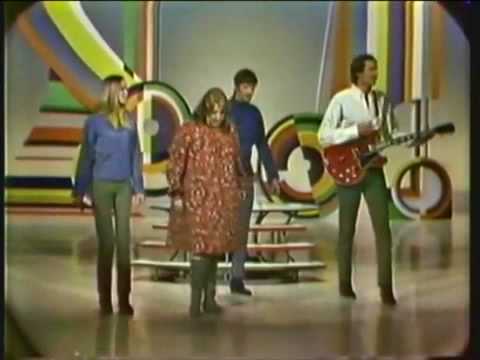

→ More from the 1960s File
View all 1960s hits →




Keep digging