The 1960s File Feature
When I Fall In Love
The Story Behind When I Fall In Love by The Lettermen Picture the turn of the 1960s, a moment when rock and roll was reshaping youth culture but lush, romant…
01 The Story
The Story Behind "When I Fall In Love" by The Lettermen
Picture the turn of the 1960s, a moment when rock and roll was reshaping youth culture but lush, romantic vocal harmony still held a cherished place on the radio. Amid the changing sounds of the era, there remained a deep appetite for the polished, sentimental balladry that had defined an earlier age. Into that space stepped The Lettermen, a clean-cut vocal trio whose smooth harmonies and tender approach to classic songs made them favorites among listeners who craved romance over rebellion.
A Vocal Trio With a Classic Touch
The Lettermen built their reputation on impeccable three-part harmony and a gift for interpreting standards with warmth and sincerity. This song, already a beloved classic from the previous decade, was given new life through their distinctive treatment. The song was originally composed by Victor Young with lyrics by Edward Heyman, a standard that many artists had recorded, and the trio's version became one of the most cherished renditions. Their interpretation showcased exactly the kind of romantic craftsmanship that set them apart from the rock acts dominating the charts.
Harmony as the Heart of the Song
What makes the trio's version so memorable is the sheer beauty of the vocal blend, the way the three voices intertwine to create a sound both rich and intimate. The arrangement is understated and elegant, letting the harmonies carry the emotional weight while a gentle accompaniment provides support. There is a timeless quality to the performance, a sincerity that transcends the era in which it was recorded. It is the sound of devotion expressed through the careful, loving interpretation of a great song.
A Strong Climb Into the Top Ten
The single performed impressively on the Hot 100, establishing the trio as a genuine commercial force. It debuted at number 89 on November 20, 1961, then climbed rapidly and steadily, leaping into the fifties, thirties, and then the teens within just a few weeks as audiences embraced it. It reached its peak of number 7 during the week of January 27, 1962, earning the group a coveted top-ten placement. The song spent fourteen weeks on the chart, a strong and lasting run that confirmed the enduring appeal of romantic vocal harmony even as musical tastes were shifting around it.
Harmony in a Changing Era
The success of this recording said something significant about the musical landscape of the early 1960s. Even as rock and roll was capturing the energy and attention of younger audiences, there remained a deep and loyal market for the polished, romantic vocal harmony of an earlier tradition. The trio's chart success proved that elegant balladry still had real commercial power, coexisting alongside the louder, more rebellious sounds emerging around it. The Lettermen filled a specific and cherished niche, appealing to listeners who valued sincerity and craftsmanship over raw energy. Their version of this standard became a touchstone for that audience, demonstrating that beauty and restraint could compete in an increasingly noisy marketplace.
A Defining Hit for the Group
Within The Lettermen's career, this song stands as one of their signature recordings, the track most closely associated with their name and their style. It demonstrated that there was still a substantial audience for tender, harmony-driven balladry at the dawn of the rock era. The group would continue to find success with similar interpretations, but this remains a defining moment, a perfect showcase of their gifts. For fans of classic vocal harmony, it endures as a treasured recording, the kind that rewards repeated listening with its understated beauty.
Press Play and Fall Under Its Spell
Cue it up and let those gorgeous harmonies wrap around you, a reminder of an era when romance was sung with elegance and sincerity. It is a timeless interpretation of a beloved standard, performed by a trio at the height of its powers, and it still casts the same gentle spell it did decades ago.
"When I Fall In Love" — The Lettermen's singular moment on the 1960s charts.
02 Song Meaning
The Meaning of "When I Fall In Love" by The Lettermen
This timeless ballad is about the promise of total, lasting devotion, the vow that when love comes, it will be complete and forever. It captures an idealized vision of romance, one rooted in commitment, sincerity, and the desire for a love that endures through all of life's uncertainties. The sentiment is as classic as the melody that carries it.
A Vow of Complete Devotion
The central idea is a pledge that love, when it arrives, will be given wholeheartedly and without reservation. The core theme is a commitment to love completely and forever, a refusal to settle for anything fleeting or half-hearted. That insistence on permanence gives the song its profound emotional weight and timeless appeal.
Love in an Uncertain World
The lyric acknowledges that the world is full of change and instability, which makes the promise of steadfast love all the more meaningful. It contrasts the uncertainty of life with the constancy of true devotion, presenting lasting love as a refuge against an unpredictable world. That tension lends the romantic vow a deeper resonance.
Patience and Sincerity
The song suggests a willingness to wait for the right love rather than rushing into something temporary. It values genuine, lasting connection over fleeting passion, framing real love as something worth holding out for. That patience and sincerity reflect an idealized but deeply appealing view of romance.
Why It Resonated
Generations of listeners have connected with the song's pure, romantic ideal, which speaks to a universal longing for true and lasting love. Its timeless message has kept it beloved across the decades, sung at weddings and cherished by couples everywhere. The harmonies of the trio's version only deepened that emotional connection.
A Standard for the Ages
Part of what makes the song so beloved is its status as a true standard, a composition that countless artists have interpreted and that has accompanied countless real-life romances. Its message has transcended any single recording or era, becoming a fixture at weddings and a shorthand for romantic commitment itself. The Lettermen's version added its own warmth to that legacy, but the underlying sentiment belongs to everyone who has ever hoped for a love that lasts. That universality is the secret to its remarkable staying power.
An Enduring Romantic Ideal
Ultimately the song expresses one of the most enduring hopes in human experience, the wish for a love that is complete and everlasting. It celebrates devotion as the highest form of romance. That sincere, hopeful vision is what has kept the song alive in the hearts of listeners for generations, a testament to the enduring power of its simple, heartfelt promise of devotion.
→ More from The Lettermen
View all The Lettermen hits →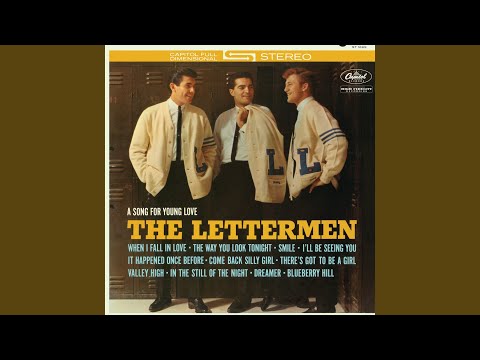


→ More from the 1960s File
View all 1960s hits →




Keep digging