The 1960s File Feature
It's All Right
"It's All Right" — The Impressions and the Song That Launched a Gospel-Soul Revolution Chicago Soul in 1963 The fall of 1963 was one of those rare moments wh…
01 The Story
"It's All Right" — The Impressions and the Song That Launched a Gospel-Soul Revolution
Chicago Soul in 1963
The fall of 1963 was one of those rare moments when a single record could feel genuinely historic. The country was in the midst of profound social upheaval: the March on Washington had taken place in August, and the Civil Rights Movement was reshaping the national conversation in real time. Against this backdrop, a Chicago vocal group called The Impressions released a record that managed to be simultaneously a commercial pop hit and a quiet act of spiritual defiance. "It's All Right" arrived and changed what Black pop music could sound like and mean.
Curtis Mayfield, the group's principal songwriter and guitarist, was twenty years old in 1963. He had already developed an approach to songwriting that drew equally on gospel harmonics, rhythm and blues structure, and a lyrical sensibility that reached toward affirmation without sacrificing truth. The Impressions, featuring Mayfield alongside Jerry Butler's replacement and the warm vocal blend the group had been building since the late 1950s, were about to demonstrate what that approach could achieve at its finest.
The Sound and Its Sources
The production of "It's All Right" was handled through the Okeh Records imprint, a subsidiary of Columbia Records, with Johnny Pate serving as the arranger. Johnny Pate's string arrangement lifted the record above the typical rhythm and blues production of its era, adding a lushness that gave the song its sense of uplift and emotional scale. The combination of gospel-rooted harmonics and orchestral production created a sound that felt both intimate and cinematic.
Mayfield's guitar work on the track was characteristic of his style: clean, rhythmically precise, with a lightness of touch that opened space for the vocal harmonies rather than crowding them. The Impressions' three-part vocal blend on "It's All Right" is one of the finest examples of gospel-influenced group singing to appear on the pop charts in this period. Each voice contributes something distinct while the whole remains unified and effortlessly warm.
The Chart Ascent
The single debuted on the Billboard Hot 100 on September 28, 1963, entering at number 86. What followed was one of the more striking chart climbs of that autumn: 58, then 35, then 24, then 15. The record was gathering momentum with each passing week, crossing format lines and reaching audiences well beyond the rhythm and blues core. The song reached its peak of number 4 during the week of November 9, 1963, spending fourteen weeks total on the chart.
Number 4 on the Hot 100 was a remarkable achievement, placing the Impressions in genuine pop contention at a moment when the chart was dominated by artists from the British Isles and the Brill Building pop machine. The record also performed exceptionally on the rhythm and blues charts, confirming its dual commercial appeal. Fourteen weeks of chart presence indicated sustained radio play and consistent sales across a broad geographic and demographic range.
The Record's Cultural Timing
The significance of "It's All Right" reaching the upper reaches of the pop chart in late 1963 cannot be separated from its historical moment. Two weeks after the record peaked, President Kennedy was assassinated. The Impressions' anthem of affirmation and perseverance suddenly acquired additional weight, its message of endurance and quiet dignity resonating in an atmosphere of national grief and uncertainty.
Curtis Mayfield's genius lay in writing material that was simultaneously personal and communal, accessible to pop audiences while carrying specific meaning for Black listeners who understood the circumstances of endurance that the song was addressing. "It's All Right" worked on multiple registers at once, which is one reason it has retained its power across six decades.
Legacy and Influence
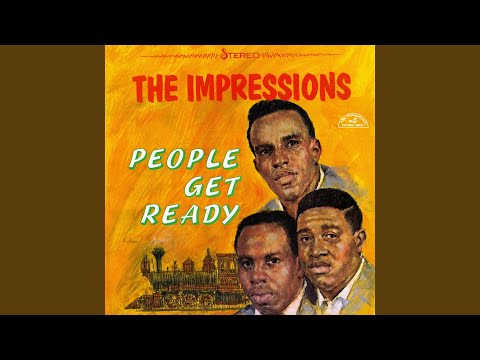
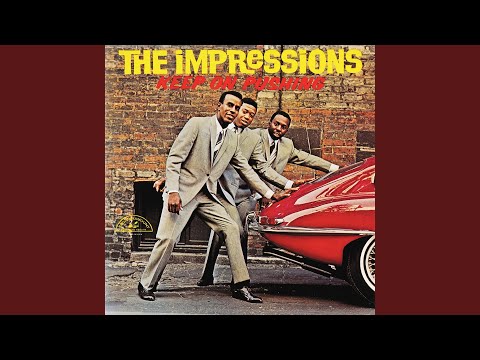
The success of "It's All Right" established the Impressions as one of the most significant acts in American popular music, opening a run of recordings through the mid-1960s that would include "Keep On Pushing," "People Get Ready," and "We're a Winner," each building on the gospel-soul foundation this record established. Mayfield's approach, combining transcendent musical beauty with lyrical content that spoke directly to the experience of Black Americans, would influence virtually every major soul and gospel-influenced artist who followed.
The record belongs in any serious conversation about the most important American pop singles of the 1960s. Put it on and understand why.
"It's All Right" — The Impressions' singular moment on the 1960s charts.
02 Song Meaning
Affirmation Against the Odds: The Meaning of The Impressions' "It's All Right"
The Gospel of Perseverance
At its core, "It's All Right" is a song about endurance. The lyrical message builds its case through accumulation rather than argument: small affirmations stacked carefully until they become something larger than any individual statement. Curtis Mayfield's lyrics draw directly on the gospel tradition of Black American church music, where affirmation in the face of hardship is not denial of difficulty but a disciplined insistence on the possibility of grace. The song does not pretend that everything is easy. It insists, with considerable passion, that difficulty can be survived.
This distinction matters enormously. A simpler version of the song might have offered straightforward reassurance, a message that everything would be fine. Mayfield's version acknowledged that things were not always fine while arguing for the emotional and spiritual resources necessary to keep going. That nuance is what elevated the record from pleasant pop to something genuinely meaningful.
Civil Rights and the Language of the Spirit
In the autumn of 1963, the Civil Rights Movement was at an extraordinary juncture. The March on Washington had demonstrated the movement's scale and moral force; the legislative victories that would follow were still in the future. For Black Americans navigating this moment, a song that drew on the spiritual resources of the church tradition while reaching toward a broader audience carried real weight.
The Impressions' recording spoke in code that was accessible to everyone and meaningful in specific ways to listeners who understood the circumstances of Black life in America at that moment. The message of "it's all right" carried particular resonance when addressed to people whose right to be treated equally was under active, often violent dispute. The affirmation was political without ever being polemical.
Communal Voice and Individual Feeling
One of the most striking features of the record is the way the three-part vocal harmony creates a sense of communal voice. The blended vocals do not sound like individuals agreeing with each other; they sound like a single, multidimensional consciousness affirming something that all parts of it believe simultaneously. This quality connects the record directly to the gospel tradition, where group singing is understood as a spiritual act in which individual voices are both preserved and transcended.
For listeners encountering the record as a pop song rather than a gospel piece, this harmonic warmth communicated solidarity and mutual support at a purely emotional level, before any conscious processing of the lyrical content. The feeling preceded the meaning, which is how the best music works.
Enduring Resonance Across Generations
Sixty years after its release, "It's All Right" retains its emotional force. This is partly because the circumstances that gave it urgency have not been resolved, and the need for affirmation in the face of systemic difficulty remains pressing for many listeners. But the record's durability also reflects the quality of its musicianship and the precision of its construction.
Mayfield's songwriting operated at a level of craft that allowed the record to function as comfort, as spiritual practice, and as social commentary simultaneously. Very few records in the history of American popular music achieve all three at once. "It's All Right" is one of them, which is why it has never really left the cultural conversation since the week it first appeared on the charts in September 1963.
The song asks very little of its listener and offers a great deal in return. That transaction has proven durable enough to outlast the specific anxieties of the era that produced it.
→ More from The Impressions
View all The Impressions hits →


→ More from the 1960s File
View all 1960s hits →




Keep digging