The 1960s File Feature
Oooh, Baby Baby
The Soulful Charm of Oooh, Baby Baby by The Five Stairsteps Picture the summer of 1967, a season alive with the rich sounds of soul and the bright energy of …
01 The Story
The Soulful Charm of "Oooh, Baby Baby" by The Five Stairsteps
Picture the summer of 1967, a season alive with the rich sounds of soul and the bright energy of a young generation. This was a high-water mark for the genre, with labels in Detroit, Memphis, and Chicago turning out classic after classic and the music spilling across racial and regional lines. Family groups were a beloved part of that soul landscape, and few were as charming as The Five Stairsteps, a set of talented siblings from Chicago. Often billed as "The First Family of Soul," they brought a youthful sweetness to the genre that set them apart from the grittier acts of the day. Their take on "Oooh, Baby Baby" was a tender showcase for their close-knit harmonies, the sound of a young family group reaching for a classic.
Chicago's First Family of Soul
The Five Stairsteps were the Burke siblings, a family act whose blend of voices carried an unmistakable warmth and intimacy. They emerged from Chicago's vibrant soul scene and quickly became known for their smooth, polished sound. There is a particular magic to family harmony groups, the way voices that grew up together blend with a closeness no assembled group can quite replicate, and the Burkes had that quality in abundance. The group would later achieve their biggest success with the enduring 1970 classic "O-o-h Child", a song that became one of soul's most beloved anthems of resilience, but in 1967 they were still building their name with singles like this one. They were young and on the rise, sharpening the sound that would soon make them famous.
Honoring a Motown Classic
The song itself carried a distinguished pedigree. "Ooo Baby Baby" was originally a 1965 hit for Smokey Robinson and The Miracles, written by Robinson and Pete Moore, a benchmark of tender, aching soul balladry. Covering such a beloved standard was a bold move, and The Five Stairsteps approached it with respect, applying their gentle family harmonies to a song already cherished by soul fans across the country. Robinson's original set an exceptionally high bar, his falsetto a model of vulnerable expression, so any group taking on the song risked unflattering comparison. The Stairsteps wisely made it their own through the warmth of their sibling blend rather than trying to outdo the master at his own game.
A Modest Summer Chart Run
On the pop chart, the single made a brief, respectable showing. It debuted on the Billboard Hot 100 at number 83 on May 27, 1967, and climbed slowly through the early summer, moving into the high 70s and then the mid-60s. It peaked at number 63 on June 24, 1967, and spent six weeks on the chart. The run reflected steady, if modest, pop interest, while the group's deeper following lay within the soul and R&B audience, where their reputation was already growing. The Hot 100 told only part of the story for a group whose true home was the soul market and the loyal listeners who would soon make their next records into classics.
A Stepping Stone to Greater Things
This single was one chapter in a career that would reach its peak a few years later with one of soul's most enduring anthems of hope. Looking back, it reads as a promising early step, the sound of a group still finding the formula that would eventually yield a timeless classic. "Oooh, Baby Baby" remains a lovely document of the group in their early prime, their young voices wrapping themselves around a Smokey Robinson classic with evident care. It rewards anyone curious about the roots of an act better known for later triumphs, offering a glimpse of the talent that would soon blossom into something unforgettable. Press play and let the warm, familial harmonies of The Five Stairsteps remind you why family soul groups held such a special place in the music of the sixties.
"Oooh, Baby Baby" — The Five Stairsteps' singular moment on the 1960s charts.
02 Song Meaning
The Meaning Behind "Oooh, Baby Baby"
"Oooh, Baby Baby" is one of soul music's great expressions of romantic regret. It is the sound of someone pleading for forgiveness, aching over a love that has gone wrong and longing to make it right. The Five Stairsteps bring their tender, youthful harmonies to a song already defined by vulnerability, and the result is a heartfelt plea for a second chance.
The Ache of Apology
The emotional center of the song is remorse. The lyric finds the singer admitting fault and begging not to be left behind, owning the mistakes that put the relationship in jeopardy. There is no pride here, only the raw honesty of someone who realizes too late what they stand to lose. That naked vulnerability is what has made the song a soul standard.
The Beauty of Imperfect Love
What gives the song its lasting power is its acceptance that love is messy. It acknowledges that people make mistakes and that real devotion sometimes means asking for grace. Rather than presenting romance as effortless, it embraces the painful work of repair, the humbling act of seeking forgiveness from someone you have hurt. Real relationships are built as much on reconciliation as on romance, and a song that honors the apology honors something true about how love actually survives. There is dignity in the willingness to admit fault, and the song finds genuine beauty in that fragile, necessary act of asking to be taken back.
Soul Music's Emotional Honesty
In the soul tradition of the 1960s, emotional transparency was a defining strength. Singers were expected to bare their hearts completely, and audiences prized authenticity above polish. A song built entirely around an apology fit that tradition perfectly, offering listeners a vivid, deeply felt portrait of love in crisis. The genre had inherited its emotional directness from gospel, where holding nothing back was the whole point, and that openness carried over into its love songs. The willingness to sound truly wounded, to plead without armor, was exactly what audiences came to soul music to hear, and this song delivers that vulnerability in full.
Why It Endures
The song lasts because everyone understands the desire to be forgiven. The fear of losing someone through your own mistakes is universal, and so is the longing to make amends. The Five Stairsteps deliver that feeling with sincerity and warmth, and in their young voices the plea takes on a touching, hopeful quality that continues to move listeners. There is something especially affecting about hearing such grown-up remorse expressed by young singers, a tenderness that softens the ache of the apology. The song reminds us that the wish to be granted a second chance is among the most human feelings there is, and it gives that wish a melody worth returning to.
→ More from The Five Stairsteps
View all The Five Stairsteps hits →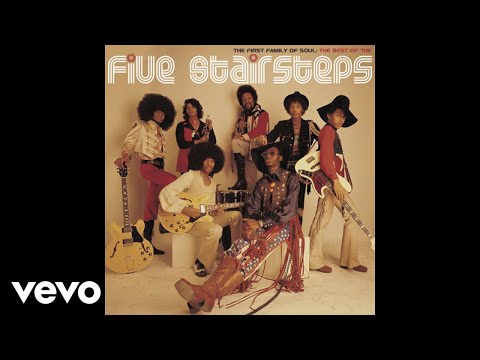
→ More from the 1960s File
View all 1960s hits →




Keep digging