The 1960s File Feature
Come Back
Come Back: The Five Stairsteps and Chicago Soul in 1966 A Family Act in the Golden Age of Soul The fall of 1966 was one of the richest moments in the history…
01 The Story
Come Back: The Five Stairsteps and Chicago Soul in 1966
A Family Act in the Golden Age of Soul
The fall of 1966 was one of the richest moments in the history of American soul music. Aretha Franklin was about to sign to Atlantic Records and redefine the genre. Motown was releasing records at a pace that made the competition dizzy. Stax was building a catalog that would influence music for decades. Into this extraordinary ferment stepped the Five Stairsteps, a Chicago family group signed to Curtom Records whose sound drew on gospel roots, the Chicago soul tradition, and the harmonic instincts that come from siblings who have been singing together since childhood. The group consisted of Clarence Jr., Aloha, James, Dennis, and Kenneth Burke, all children of Clarence Burke Sr., a Chicago police officer who managed the group's early career.
The Sound and the Recording
The Five Stairsteps operated in an era when Chicago soul had its own distinct character, a little rougher around the edges than Motown's polished product, more directly tied to gospel church experience, and deeply rooted in the rhythmic traditions of the city's South Side. Curtis Mayfield, who founded Curtom Records and worked closely with the group, was one of the defining figures of this Chicago approach, and his production sensibility shaped how the Five Stairsteps were recorded and presented. Come Back shows the group's command of the call-and-response dynamics that gospel provided as a foundation, with the lead vocal trading against the family harmonies in patterns that felt both spontaneous and technically assured.
Chart Debut and Run
The single entered the Billboard Hot 100 on November 5, 1966, debuting at position 86. It climbed steadily through the following weeks, reaching its peak position of 61 on November 26, 1966, before beginning to slide back down. The song spent six weeks on the Hot 100 in total. This was modest chart territory for a single in 1966, but it represented meaningful exposure for a relatively young act on an independent label competing against the full promotional machinery of Motown and the major labels. The Five Stairsteps were building name recognition with each chart entry, laying the groundwork for what would prove their defining commercial moment a few years later.
Building Toward Bigger Things
In retrospect, the Five Stairsteps' mid-sixties singles on Curtom were exercises in development, records that refined the group's sound and expanded their audience without fully breaking through to the top tier of the charts. That breakthrough would come in 1970 with O-o-h Child, a song that transcended the soul market to become one of the most enduring recordings in the entire history of American popular music. Come Back sits well before that moment, belonging to a period when the group's potential was evident but their greatest achievement still lay ahead. Curtis Mayfield's guidance during these formative years was invaluable, providing the Five Stairsteps with a template for how to blend commercial ambition with genuine artistic integrity.
Legacy Within the Catalog
For listeners who discover the Five Stairsteps through O-o-h Child and then explore backward through the catalog, Come Back and the other mid-sixties recordings reveal the full arc of a group whose gifts were apparent from the very beginning. The sibling harmonies that would make O-o-h Child so distinctive are already present here, fully formed and naturally integrated into a production style that understood how to serve them. The song also documents a specific moment in Chicago soul history, when independent labels like Curtom were producing work of genuine quality on limited budgets through sheer musicianship and community knowledge. That history deserves to be heard alongside the bigger hits, because it tells the fuller story of how American soul music actually developed and who made it possible.
Listen and hear the Chicago soul tradition at a formative moment, carried by a family who would soon give it one of its most beautiful songs.
"Come Back" — The Five Stairsteps' singular moment on the 1960s charts.
02 Song Meaning
Come Back: Longing, Family, and the Gospel Roots of Chicago Soul
The Emotional Core: A Plea for Return
Soul music in the mid-1960s was built substantially on the architecture of longing: the ache of separation, the plea for reunion, the hope that love lost might be recovered. Come Back by the Five Stairsteps inhabits this emotional territory with the particular authenticity that comes from performers whose musical training began in church. The gospel tradition taught singers that emotional expression was not performance but testimony, not entertainment but communication of genuine feeling. When the Five Stairsteps sang about wanting someone to return, the sibling harmonies that supported the lead vocal carried the weight of a tradition where communal singing meant communal vulnerability, everyone on stage together sharing the same longing.
Gospel Foundations and Soul Expression
The relationship between gospel music and soul music in 1960s Chicago was direct and generative. Sam Cooke had demonstrated that a voice trained in gospel could carry secular emotion with unmatched conviction, and the lesson was not lost on the generation that followed. The Five Stairsteps, singing together from childhood, had absorbed that lesson through practice rather than theory. Their harmonies carried the specific texture of family singing, the product of voices that have grown up together and learned each other's tendencies intimately. That family dimension added a layer of authenticity to songs about emotional connection that could not be replicated by a group of session singers assembled for a recording.
Themes of Return and Reconciliation
The plea at the center of Come Back engages with one of the most fundamental human experiences: the desire to restore something that has been lost. In soul music, this theme usually involves romantic loss, but the gospel underpinning gives it a wider resonance. Songs that ask for return tap into both personal and communal histories of separation and longing, histories that for many Black American listeners in 1966 carried particular weight given the Great Migration, family dispersal, and the ongoing challenges of building community in Northern cities. Soul music served a social function as well as an aesthetic one, and understanding that context enriches even a relatively modest chart single like this one.
The Sound of 1966
By the fall of 1966, soul music had diversified considerably. Motown was producing its glossiest, most pop-oriented work. Memphis soul was developing its grittier, rawer sound through Stax. Chicago occupied a middle ground, drawing on both traditions while maintaining its own character rooted in the city's gospel church culture and blues history. The Five Stairsteps sat comfortably in this Chicago tradition, producing records that did not try to out-polish Motown but instead offered something warmer and more direct. The emotional transparency of Chicago soul in this period is one of its most appealing qualities in retrospect, a music that did not hide its origins or dress them in more fashionable clothes than they needed.
A Window Into What Was Coming
Heard as a precursor to O-o-h Child, Come Back illuminates the continuity of the Five Stairsteps' artistic vision. The themes of hope and persistence, the reliance on harmony as emotional bedrock, the belief that communal singing could carry personal feeling: all of these qualities are already present here in recognizable form. The group was learning to deploy what they had, refining their instincts, and building the creative foundation on which their most enduring work would rest. That process of development, visible in the mid-sixties recordings, is itself worth listening to, a reminder that even the most celebrated moments in music history are built on years of preparatory work that rarely gets the recognition it deserves.
"Come Back" — The Five Stairsteps' singular moment on the 1960s charts.
→ More from The Five Stairsteps
View all The Five Stairsteps hits →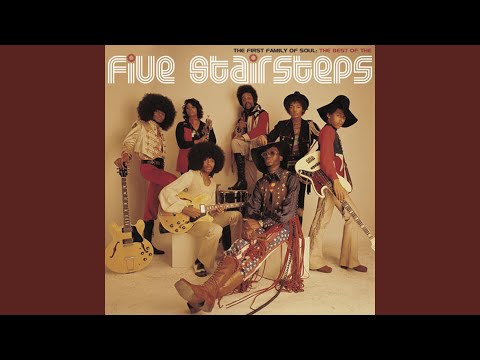
→ More from the 1960s File
View all 1960s hits →




Keep digging