The 1960s File Feature
Stick With Me Baby
The Everly Brothers Harmonize on Stick With Me Baby Imagine the radio in the spring of 1961, a moment when two voices blending into one could stop you in you…
01 The Story
The Everly Brothers Harmonize on "Stick With Me Baby"
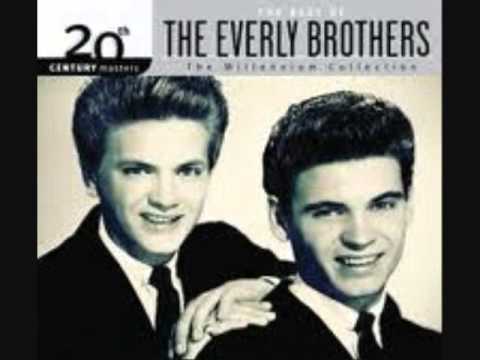
Imagine the radio in the spring of 1961, a moment when two voices blending into one could stop you in your tracks. The Everly Brothers had spent the late 1950s defining what close harmony could do in a pop song, and by 1961 their sound was woven into the fabric of American music. "Stick With Me Baby" finds Don and Phil doing what no one did better, wrapping a simple plea around those signature interlocking voices that influenced practically everyone who came after them.
Masters of the Harmony
By 1961 the Everly Brothers were already legends. They had strung together a remarkable run of hits in the previous years, songs that taught a generation of musicians how two voices could move as one. The Everly Brothers' close harmony shaped the sound of rock and pop for decades, an influence later acknowledged by countless artists who grew up imitating them. This single arrived during their continued reign as one of the most important vocal acts in popular music, their blend as tight and instantly recognizable as ever.
A Gentle Plea Set to Harmony
The song is built on the brothers' greatest gift, that seamless vocal blend applied to a tender request to stay together. The arrangement keeps things warm and uncluttered, leaving plenty of space for the harmonies to shine. There is a gentle, rolling feel to the track, the kind of relaxed country-tinged pop that the Everlys made sound effortless. The melody is unhurried and sweet, the sort of tune that lets you focus entirely on the way the two voices fit together like puzzle pieces.
A Modest Chart Showing
The American chart run was respectable rather than spectacular. The single entered the Billboard Hot 100 at number 97 on June 5, 1961 and then made a sharp leap to 50 the next week, a sign of immediate radio interest. It climbed to its peak of number 41 on June 19, 1961 before slipping to 56 and falling away, spending four weeks on the chart in total. It was not one of their towering smashes, but for a duo with so many huge hits behind them, a top-forty-adjacent showing still kept their voices on the air during a competitive season.
A Sound Built to Be Copied
The influence of what the Everlys did is almost impossible to overstate. The young musicians who would soon reshape popular music on both sides of the Atlantic grew up studying these records, learning how two voices could braid together into something richer than either alone. The brothers essentially wrote the playbook for vocal harmony in rock and pop, and you can trace their fingerprints across decades of groups who learned to sing by imitating them. A recording like this one, even a lesser-known single, served as a lesson for the next generation of harmony singers. The blend the brothers achieved sounds effortless, but it rested on a deep musical understanding between two people who had been singing together their whole lives, and that lived-in quality is something later imitators could approach but rarely match.
A Thread in a Towering Legacy
This single is one stitch in an enormous tapestry. The brothers' body of work became a foundational influence on the harmony-driven groups that followed, from the British Invasion bands to American folk-rock acts. "Stick With Me Baby" may sit below their most famous titles, but it carries the same DNA of impeccable blend and emotional directness. It is a reminder that even the lesser-known Everly recordings offer a clinic in how harmony can carry a song all on its own.
Press play and just listen to the voices. Few sounds in pop history are as immediately comforting as Don and Phil singing together.
"Stick With Me Baby" — The Everly Brothers' singular moment on the 1960s charts.
02 Song Meaning
What "Stick With Me Baby" Is Really About
The meaning of this song is right there in the title: a heartfelt request to stay together through whatever comes. It is a plea for loyalty and constancy, the narrator asking his love to hold on rather than walk away. The Everly Brothers deliver it without melodrama, letting the warmth of their harmony carry the emotional weight. The song is intimate, sincere, and refreshingly direct.
A Request for Loyalty
At its center the lyric is about wanting reassurance. The narrator asks his partner to remain by his side, framing the relationship as something worth committing to fully. There is vulnerability in the request, an acknowledgment that love requires both people to choose each other again and again. The plea is gentle rather than desperate, the sound of someone who believes in what he and his partner share.
Harmony as Emotional Meaning
With the Everlys, the singing itself becomes part of the message. Their unified voices embody the togetherness the lyric describes, two people moving as one in perfect agreement. The form mirrors the content: a song about sticking together sung by two voices that never come apart. That alignment of sound and sentiment is a big part of why their records felt so emotionally true.
An Early-1960s Innocence
The song reflects the romantic mood of its moment. Early-1960s pop often prized sincerity and simple devotion, and this track sits comfortably in that world. Before pop grew more complicated and self-aware, songs like this offered straightforward emotion, love expressed plainly and sweetly. There is an innocence to it that captures the era's gentler romantic ideals.
Reassurance in a Melody
The song works because it offers comfort as much as romance. Asking someone to stay is also a way of admitting how much you need them, and there is real tenderness in that vulnerability. The brothers sing it gently, without desperation, so the request feels like an invitation rather than a demand. That softness is part of the appeal; the narrator is not clinging so much as hoping, and hope is far more attractive than fear. The result is a song that soothes even as it asks, wrapping its small worry in the warmth of those famous voices.
Why It Still Connects
The lasting appeal of the song lies in the universality of its wish. Everyone understands the desire to be chosen and kept, and the Everlys voice that desire with disarming honesty. The beauty of the harmony only deepens the feeling, turning a simple request into something genuinely moving. It is a small, tender song that speaks to one of the oldest hopes there is, the wish to be loved and to keep that love close.
→ More from The Everly Brothers
View all The Everly Brothers hits →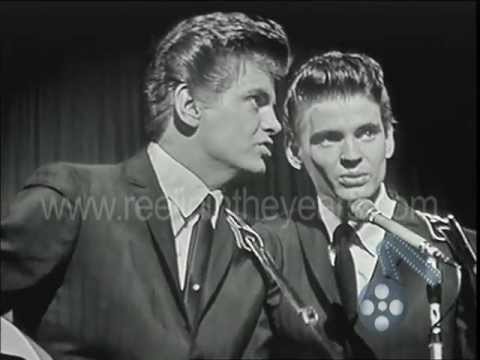



→ More from the 1960s File
View all 1960s hits →




Keep digging