The 1960s File Feature
Cathy's Clown
"Cathy's Clown" — The Everly Brothers Remake Rock and Roll in 1960 The Moment Everything Changed The spring of 1960 was a pivotal season in American popular …
01 The Story
"Cathy's Clown" — The Everly Brothers Remake Rock and Roll in 1960
The Moment Everything Changed
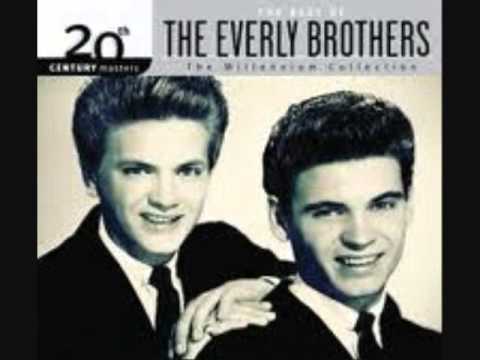
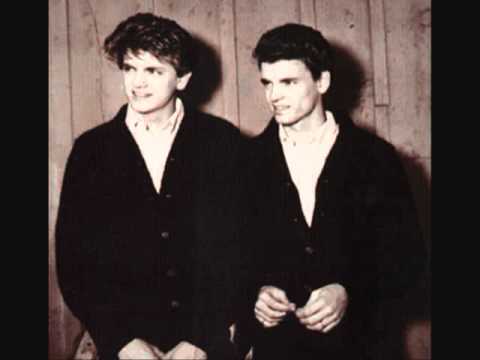
The spring of 1960 was a pivotal season in American popular music, though few people living through it could see clearly what was happening. Elvis Presley had just returned from the Army. Buddy Holly, Ritchie Valens, and The Big Bopper had died in a plane crash the previous February, and rock and roll was in a moment of genuine uncertainty about its direction. Into this vacuum stepped Don and Phil Everly, two brothers from Kentucky whose blend of close country harmony and rock and roll energy had already produced a string of major hits. They were about to produce their biggest record yet, and in doing so, they would help define what the early 1960s would sound like.
The Move to Warner Bros. and a New Beginning
The story of Cathy's Clown cannot be told without understanding the contractual rupture that preceded it. The Everly Brothers had built their initial success on Cadence Records, a smaller independent label that had served them well through hits like Bye Bye Love and Wake Up Little Susie. When they signed with Warner Bros. Records in 1960, in what was reported at the time as one of the most lucrative contracts in the music business at a million dollars over ten years, the move marked both an enormous commercial validation and a significant artistic gamble. Their first release for the new label would determine whether the relationship had been worth the investment.
The Chart Explosion
Cathy's Clown was written by Don Everly, a fact that distinguished it from much of their earlier material, which had relied on outside songwriters. The track debuted on the Billboard Hot 100 on April 18, 1960, at number 94, then accelerated through the chart with stunning speed: 74, then 15, then 3, then 2, until it finally reached its peak of number 1 on May 23, 1960. The record spent a total of 17 weeks on the chart, a remarkable duration that reflected the depth of its commercial reach across age groups and demographic categories. It was not just a teenage pop single; it was a record that connected with adults as well, crossing the generational divide that rock and roll had often been accused of exploiting.
The Sound That Made History
What gave Cathy's Clown its particular sonic power was an innovation in the Everly Brothers' approach to their own harmony. The track introduced a prominent echo effect on the voices that gave the record an almost cathedral quality, a spaciousness that set it apart from the drier production of their Cadence-era recordings. Combined with an insistently rhythmic guitar figure that drove the track forward and the brothers' instinctive blend of their voices, the record created a sound that felt simultaneously ancient and modern. It drew on country and gospel traditions while sounding like something that could only have been made in this specific moment of technological and cultural possibility.
A Number-One Record and Its Aftermath
The success of Cathy's Clown validated the Warner Bros. move completely and set the Everly Brothers up as one of the defining acts of the early 1960s. The record's international success, particularly in the United Kingdom where it also topped the charts, demonstrated a global reach that few American acts had achieved at that point. The song's influence on subsequent generations of musicians was enormous: the vocal harmony structures the Everly Brothers perfected here would be explicitly cited by the Beatles and countless other British Invasion acts as formative influences. Press play and you'll hear the future arriving. Everything that followed knew this record.
"Cathy's Clown" — The Everly Brothers' singular moment on the 1960s charts.
02 Song Meaning
The Meaning of "Cathy's Clown" — Dignity, Betrayal, and the Birth of the 1960s Sound
A Story of Wounded Pride
The emotional core of Cathy's Clown is a form of humiliation that anyone who has been on the wrong end of romantic betrayal can recognize immediately. The narrator has been made to look foolish by someone he loves, publicly diminished by a person whose behavior has reduced him to the role suggested in the title: a figure of ridicule, a clown performing for someone who no longer takes him seriously. The lyrical content elaborates on this situation with a directness that was characteristic of the best early rock and roll songwriting, refusing to aestheticize the pain or soften its edges.
Don Everly's Songwriting and Its Emotional Intelligence
The fact that Cathy's Clown was written by Don Everly rather than drawn from the catalog of professional songwriters gave the record a particular quality of personal investment that listeners sensed even when they could not articulate it. The song's emotional intelligence, its understanding of how romantic betrayal compounds itself through repeated exposure to the person doing the betraying, reflects genuine insight into human psychology. The narrator does not simply describe pain; he describes the specific humiliation of continuing to love someone who has demonstrated their disregard. That nuance elevated the track above typical teen heartache material.
Vocal Harmony as Emotional Amplification
The Everly Brothers' close harmony singing was not a decorative choice on this record; it was a meaning-making device. When two voices deliver the same lyrical content in perfect alignment, the emotional statement acquires a quality of shared experience. The listener does not hear one person's pain; they hear something confirmed between two people, authenticated by its repetition. This amplifying quality of close harmony was something that country and gospel music had understood for generations, but the Everly Brothers brought it into rock and roll with an intensity and precision that was genuinely new. The sound they created on this track influenced virtually every act that came after them who worked with vocal harmonies.
The Cultural Moment and Its Anxieties
The early 1960s were a period of transition in American social norms around romance and relationships. The post-war idealization of domestic happiness was beginning to strain against the realities of actual human behavior. Divorce rates were rising. The cultural consensus around gender roles was beginning to show cracks. A song about romantic betrayal and its social consequences found an audience that was more than ready to acknowledge that love did not always follow the scripts that popular culture had been selling. The emotional honesty of the track's central complaint resonated with listeners who were themselves navigating the gap between romantic idealism and lived experience.
The Legacy the Song Built
The influence of Cathy's Clown extended far beyond its own chart run. The Beatles, who were among the most devoted students of the Everly Brothers' vocal approach, carried the harmonic lessons of this record into their early recordings. The echo effect, the rhythmic drive, the combination of country-rooted harmony with rock and roll energy: these became standard tools of 1960s pop production largely because this record demonstrated their commercial and artistic effectiveness so definitively. The 17 weeks it spent on the Hot 100 and its number-one peak certified what the music itself already made clear: this was a defining record of its moment, one whose DNA runs through the entire decade that followed.
→ More from The Everly Brothers
View all The Everly Brothers hits →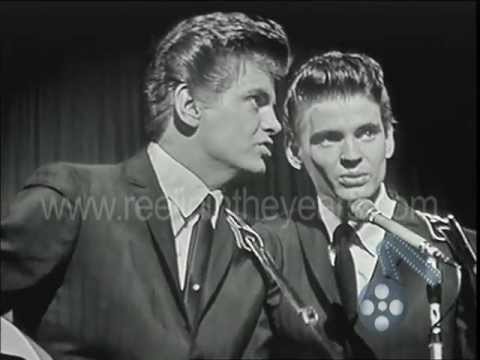


→ More from the 1960s File
View all 1960s hits →




Keep digging