The 1960s File Feature
Bowling Green
The Folk-Pop Charm of Bowling Green by the Everly Brothers Travel to the summer of 1967, when the Everly Brothers, the legendary harmony duo who had helped s…
01 The Story
The Folk-Pop Charm of "Bowling Green" by the Everly Brothers
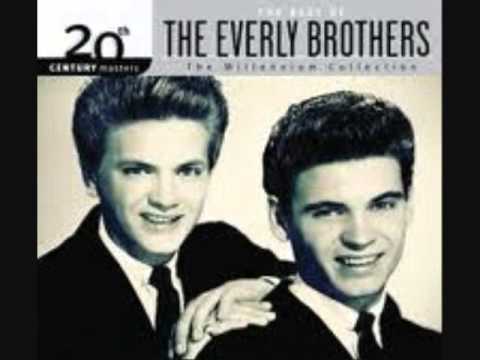
Travel to the summer of 1967, when the Everly Brothers, the legendary harmony duo who had helped shape the sound of rock and roll, were exploring new musical territory amid a rapidly changing pop landscape. Don and Phil Everly, masters of close vocal harmony, delivered this warm, nostalgic ode to a small Southern town. The song reflected the era's interest in country-folk sounds and pastoral themes, a gentle, harmony-rich celebration of home and belonging that showcased the duo's timeless vocal blend.
Harmony Pioneers in a New Era
By 1967, the Everly Brothers were already legends, having defined a strain of harmony-driven rock and roll in the late 1950s and early 1960s with a string of classic hits. Their close, intertwined vocal harmonies had influenced countless artists, from the Beatles onward. As the pop landscape shifted in the mid-1960s, the duo continued to evolve, exploring country, folk, and pop sounds. This single found them embracing a warm, country-folk style, channeling their celebrated harmonies into a nostalgic ode that fit the era's growing fascination with rootsy, pastoral themes and Americana.
A Warm, Nostalgic Ode
The song is a gentle, harmony-rich celebration of a small Southern town, evoking warmth, nostalgia, and a longing for home. Built around the Everlys' unmistakable close harmonies, it carries a folk-country flavor, with a relaxed, melodic arrangement that suits its pastoral theme. The brothers' voices intertwine with the effortless beauty that made them icons, lending the song a timeless, comforting quality. It is an affectionate tribute to a place and a way of life, capturing the appeal of small-town roots and the gentle pull of homecoming with characteristic grace. The arrangement leaves plenty of room for the harmonies to breathe, letting the warmth of the brothers' blended voices carry the song's nostalgic mood from start to finish.
A Modest Chart Run
On the Hot 100, the single posted a respectable result. It debuted on May 27, 1967, at number 89, then climbed steadily through number 77 and number 60, where it held for a second week, before reaching its peak of number 40 on July 8, 1967. The song spent eight weeks on the chart in all. While the showing was modest compared to the duo's late-1950s blockbusters, it confirmed that the Everly Brothers remained a creative and relevant act in the late 1960s, capable of crafting appealing music that resonated with the era's tastes.
A Late Highlight for a Legendary Duo
This single stands as a fine example of the Everly Brothers' continued artistry in the late 1960s, a period when they explored new sounds while retaining their signature harmonies. The duo's influence on popular music was immense and lasting, their vocal style echoing through generations of artists. While their most famous hits came earlier, this warm, nostalgic song demonstrates their enduring gift for harmony and melody. For fans of the Everlys and of country-folk pop, it remains a charming and heartfelt listen, a lovely reminder of the timeless beauty of their intertwined voices.
The Pull of Home and Roots
The song taps into a powerful and enduring theme, the nostalgic longing for home and one's roots. By celebrating a specific small Southern town, it evokes a universal yearning for the comfort and belonging of one's origins. That theme resonated particularly in the late 1960s, a turbulent era when many people felt a pull toward simpler, more grounded values amid rapid social change. The song's warm evocation of small-town life offered a comforting counterpoint to the upheaval of the times. Its celebration of roots and homecoming speaks to a deep human need for belonging, giving the gentle folk-pop song an emotional resonance that extends well beyond its specific setting.
Press play and let those harmonies carry you home: a warm, nostalgic ode from one of the most influential harmony duos in music history.
"Bowling Green" — the Everly Brothers's singular moment on the 1960s charts.
02 Song Meaning
What "Bowling Green" by the Everly Brothers Really Means
This is a song about the nostalgic longing for home, roots, and the comfort of one's origins. Centered on affection for a small Southern town, it celebrates the warmth, simplicity, and sense of belonging that home represents. It is a gentle, heartfelt expression of the universal yearning to return to the place where one feels truly rooted.
The Longing for Home
At its core, the song expresses a deep nostalgia for one's roots. The narrator looks fondly toward a small town, evoking the comfort and belonging it represents. That longing for home is a powerful and universal feeling, the pull toward the place that shaped us and where we feel we truly belong. The song captures the warmth of those memories and the gentle ache of being drawn back toward one's origins, a sentiment that resonates across cultures and generations.
The Appeal of Simplicity
Running through the song is an appreciation for the simple, grounded values of small-town life. The town represents not just a place but a way of living, one marked by warmth, community, and a slower, more rooted existence. That celebration of simplicity offered an appealing contrast to the complexity and turbulence of the wider world. The song finds beauty in the modest and familiar, treating small-town life as something precious and worth cherishing rather than escaping. In an age that often glorified the big city and the pursuit of ambition, there was something quietly radical about a song that celebrated staying close to home and valuing the comforts of a simpler, more rooted way of living.
Belonging and Identity
The song also touches on themes of belonging and identity. Our roots, the places we come from, are deeply tied to who we are, and the song's affection for home reflects that connection. By celebrating his origins, the narrator affirms a sense of identity grounded in place and history. That link between home and selfhood gives the song emotional depth, suggesting that returning to one's roots is also a way of reconnecting with one's truest self and sense of belonging.
Why It Resonated
The song connected because its longing for home is deeply universal. Everyone carries some attachment to the place they come from, some nostalgia for the comfort and belonging of home, and the song captured that feeling with warmth and beautiful harmonies. The Everly Brothers' tender delivery made the nostalgia feel genuine and inviting. That heartfelt celebration of roots and belonging is why the song resonated, a gentle reminder of the enduring pull of home and the comfort found in the place where we truly belong and first learned who we are.
→ More from The Everly Brothers
View all The Everly Brothers hits →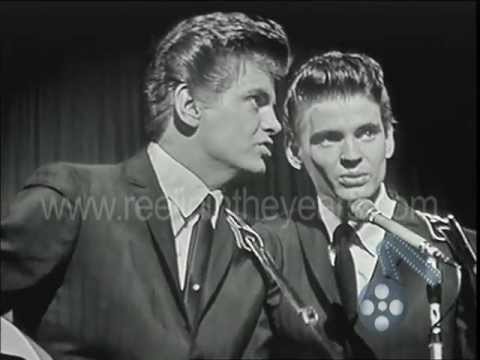



→ More from the 1960s File
View all 1960s hits →




Keep digging