The 1960s File Feature
Can't You See That She's Mine
The Dave Clark Five and the Peak of the British Invasion: "Can't You See That She's Mine" (1964) When "Can't You See That She's Mine" debuted on the Billboar…
01 The Story
The Dave Clark Five and the Peak of the British Invasion: "Can't You See That She's Mine" (1964)
When "Can't You See That She's Mine" debuted on the Billboard Hot 100 on June 13, 1964, it entered the chart at number 68 and began one of the steepest and most impressive ascents of that summer season. Within two weeks it had moved to number 31, then to 16, then to 10, then to 5, reaching its peak position of number 4 on July 18. Ten weeks on the chart in total, with an ascent that reflected both the commercial machinery the Dave Clark Five had built in America and the genuine enthusiasm of a teenage audience experiencing the British Invasion at its most intense and exhilarating moment.
The Dave Clark Five were the principal rivals to the Beatles in the early months of the British Invasion, a distinction they earned not through resemblance to the Liverpool group but through sheer commercial force and a distinct musical personality. Where the Beatles offered melodic sophistication and a gift for harmonic surprise, the Dave Clark Five operated with a driving, pounding rhythmic intensity centered on Clark's own thunderous drumming. Clark was the band's drummer and business manager, an unusual combination that gave him complete control over the group's commercial operation from the beginning and made him one of the shrewdest music business operators of the 1960s.
The group had been formed in Tottenham, North London, in the early 1960s, and their sound bore the marks of that origin: rougher and more physically forceful than the more melodic approach that characterized many of the Merseybeat groups. Clark's drumming was always prominently featured in the group's recordings, mixed higher than was conventional for the period, creating a driving, almost overwhelming rhythmic presence that became a trademark. The combination of that rhythmic power with Mike Smith's emphatic lead vocals and the group's three-guitar lineup produced a sound that was immediately recognizable and highly effective on radio.
"Can't You See That She's Mine" was written by Dave Clark and Mike Smith, the songwriting partnership that produced most of the group's original material. The song was built around the fundamental British Invasion template: a declaration of romantic urgency delivered with maximum rhythmic force, the music functioning as an expression of emotional intensity that words alone could not convey. The musical setting argued that the feeling was too large for ordinary communication and required the full arsenal of rock and roll sound to do it justice.
The recording was produced in Britain and released in America through Epic Records, which had become the Dave Clark Five's American label after their breakthrough with "Glad All Over" earlier in 1964. Epic's promotion of the group in America was aggressive and effective, and the label understood that the market for British Invasion acts was operating at something close to a mass hysteria level that spring and summer. American teenagers were consuming British pop product with a voracity that had no precedent in the history of the pop market, and a Dave Clark Five single with the right sound and the right promotional push could expect to perform extremely well.
The competition for chart position during those July weeks of 1964 was intense even by normal standards. The Beatles themselves had multiple recordings in active circulation on the American chart, along with Herman's Hermits, the Animals, Manfred Mann, and a range of American acts that included the Four Seasons, Dionne Warwick, and Louis Armstrong's unlikely pop chart presence with "Hello, Dolly!" That "Can't You See That She's Mine" reached number 4 in this environment was a considerable achievement, placing the Dave Clark Five squarely among the elite commercial performers of that season.
Mike Smith's vocal performance on the track carried much of its emotional impact. Smith was a gifted and powerful singer whose voice could project over Clark's massive drum sound without losing its expressiveness, a technical achievement that required genuine skill. His delivery of the song's central declaration was direct and forceful, using the full weight of his voice to communicate the urgency of the romantic situation the lyrics described. There was nothing subtle about the approach, but subtlety was not what the moment required.
The song also reflected the group's understanding of what their American audience wanted from them. The Dave Clark Five were shrewd commercial artists who knew that their value in the American market lay in their energy and their physical impact as a live and recorded act. "Can't You See That She's Mine" delivered exactly what listeners had come to expect: a high-energy performance that communicated genuine excitement and made the act of listening a physically engaging experience.
The Dave Clark Five would continue placing records in the American top ten through 1965 and 1966, a sustained commercial run that few British Invasion acts could match. Their American television appearances, particularly on The Ed Sullivan Show, helped maintain their visibility with an audience that was forming its relationship with British pop culture in real time. "Can't You See That She's Mine" was one of the defining documents of that relationship, a record that captured the British Invasion at the moment of its greatest commercial intensity and demonstrated why the Dave Clark Five were worthy rivals to any act of that extraordinary period.
02 Song Meaning
Possession, Pride, and the Public Declaration: What "Can't You See That She's Mine" Conveys
The title of the Dave Clark Five's 1964 hit frames its subject as a question addressed to a rival or an observer, but the question is rhetorical rather than genuine. The speaker is not requesting information; he is making a declaration, asserting a claim, and demanding acknowledgment of something he regards as established fact. The emotional core of the song is therefore not uncertainty or appeal but assertion, a public statement of romantic ownership that carries equal parts pride and defiance.
The social dynamics embedded in this kind of lyrical framework reflect the romantic culture of early 1960s Britain and America. Relationships in this period were understood in terms that included a significant element of public recognition, the acknowledgment by the social world around a couple that their connection was real and established. To have someone as "mine" was not merely a private emotional fact but a social status, a position that carried public meaning and required public acknowledgment. The question embedded in the title is therefore directed at the social world itself, demanding that it recognize what the speaker knows to be true.
The musical setting that Dave Clark and his band created for this theme was not chosen accidentally. The pounding rhythm and the emphatic vocal delivery communicated a kind of emotional force that matched the social force the lyrics were exercising. This was not a private communication between lovers but a public announcement, and the full-band rock and roll sound was the appropriate vehicle for that kind of statement. The music argued that the feeling was too large and too important to be communicated quietly.
Mike Smith's vocal delivery contributed an essential quality to the song's meaning. His voice projected confidence and physical presence, qualities that reinforced the assertive posture of the lyrics. He was not asking for permission or pleading for recognition; he was demanding it, and the strength of his delivery made the demand feel entirely natural rather than aggressive. This was the sound of someone who knew exactly where he stood and wanted to make sure everyone else knew it too.
The song also participates in the broader British Invasion project of translating the energy of American rock and roll into forms that resonated with both British youth culture and American audiences who were encountering British rock for the first time. The romantic declaration as a vehicle for musical intensity was a formula that had been tested extensively in early rock and roll, but the Dave Clark Five gave it a particular urgency through the sheer physical force of their performance. The result was a record that felt immediate and alive, that communicated excitement through its sound as much as through its words.
For listeners in 1964, the song also carried the broader meaning of the British Invasion itself: a moment of cultural exchange in which the energy that American music had generated in the 1950s was being returned to America in a transformed and amplified form. The Dave Clark Five's version of romantic declaration was both familiar and fresh, recognizable in its emotional content but delivered with an intensity and a rhythmic force that felt genuinely new. In that sense, "Can't You See That She's Mine" was not just a song about romantic possession but a statement about musical possession as well: a claim on the attention and affection of an American audience that, in the summer of 1964, was entirely willing to grant it.
→ More from The Dave Clark Five
View all The Dave Clark Five hits →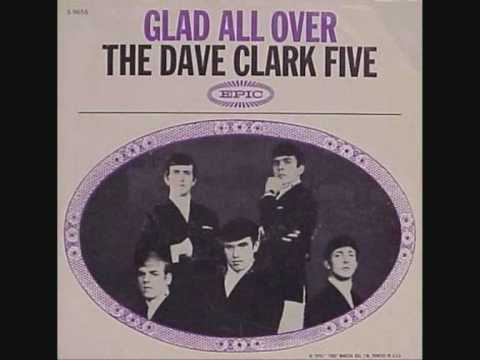




→ More from the 1960s File
View all 1960s hits →




Keep digging