The 1960s File Feature
Turn-Down Day
"Turn-Down Day" — The Cyrkle A Philadelphia Band in the British Invasion's Wake The summer of 1966 was a remarkable moment for American pop music, caught bet…
01 The Story
"Turn-Down Day" — The Cyrkle
A Philadelphia Band in the British Invasion's Wake
The summer of 1966 was a remarkable moment for American pop music, caught between the continuing influence of the British Invasion and the emergence of distinctly American sounds that would define the decade's later chapters. In this complicated landscape, The Cyrkle navigated with unusual precision. The Philadelphia-based group had already scored a significant hit earlier that summer with "Red Rubber Ball," written by Paul Simon and Bruce Woodley, which reached number two on the Billboard Hot 100. Their follow-up, "Turn-Down Day", demonstrated that the first hit had not been an accident.
The band had a significant institutional connection: they were managed by Brian Epstein, the man who had guided The Beatles to global success. This association gave them access to resources and connections that most American acts of their level couldn't dream of, including an opening slot on The Beatles' 1966 North American tour, the last live concert tour the group ever undertook. Being on that bill gave The Cyrkle a degree of visibility and cultural prestige that accelerated their commercial momentum.
The Perfect Summer Record
"Turn-Down Day" was written by David Blume and Jerry Keller, and its subject matter suited the season of its release with almost perfect symmetry. The song describes the experience of deliberately opting out, of choosing a lazy, unscheduled day of rest and enjoyment over the obligations and pressures of routine life. The lyrical content is uncomplicated and its pleasures are immediate: the arrangement is light and propulsive, with a cheerful jangle that captured the pop sensibility of mid-1960s sunshine rock without the self-consciousness that would characterize similar material later in the decade.
The production gives the track a brightness and energy that communicates its subject matter without needing to overstate it. Guitars, a steady rhythmic backbone, and vocal harmonies that recalled British Invasion craft without being derivative: the record sounded like American pop that had absorbed the lessons of the British groups without simply copying them.
Climbing the Hot 100
The chart trajectory of "Turn-Down Day" was one of steady, purposeful ascent. The record entered the Billboard Hot 100 on August 13, 1966, at number 75. Over the next several weeks it climbed with notable consistency: to 58, then 31, then 23, then 18, reaching its peak position of number 16 on September 17, 1966. After eight weeks on the chart, the record completed a run that placed it comfortably in the category of genuine summer hits rather than momentary chart presences.
A peak of 16 on the Hot 100 confirmed The Cyrkle's position as a reliable commercial act rather than a one-hit novelty. The combination of "Red Rubber Ball" and "Turn-Down Day" in the same summer suggested a band with genuine momentum, and radio programmers who had supported the first hit were demonstrably willing to follow the band to a second.
The Beatles Tour and Its Aftermath
The timing of "Turn-Down Day" in relation to The Beatles' final tour created an unusual commercial convergence. The tour ran through August 1966, overlapping directly with the period when "Turn-Down Day" was climbing the charts. The Cyrkle's name was in front of audiences who were primarily there for The Beatles, but who also encountered a capable American act performing with obvious skill and confidence. This exposure functioned as promotional activity that no radio play or label marketing could have replicated; being seen on the same stage as The Beatles, even as opening act, carried a particular kind of cultural endorsement.
The after-effects of that tour association likely contributed to "Turn-Down Day"'s chart performance, adding listener curiosity to the existing base of fans who had been won over by "Red Rubber Ball."
A Bright Chapter in 1966 Pop
The Cyrkle's commercial peak was brief, and neither of their major hits opened into the sustained chart presence that would have established them as long-term pop stars. But "Turn-Down Day" represents 1966 American pop at a specific and appealing moment of confidence: the moment when domestic acts had absorbed enough from the British Invasion to produce their own sophisticated version of the jangly, melodic pop that had reshaped radio over the previous two years. Turn it up on any summer afternoon and it delivers precisely what it promises.
"Turn-Down Day" — The Cyrkle's singular moment on the 1960s charts.
02 Song Meaning
"Turn-Down Day" — Themes and Meaning
The Pleasure of Choosing Rest
At its most fundamental level, "Turn-Down Day" is a celebration of the deliberate choice not to be productive. The narrator decides, consciously and without apology, to set aside whatever the day might have demanded and to give themselves over entirely to pleasure and rest instead. This is not a song about laziness but about the positive, restorative experience of claiming time for oneself against the competing claims of obligation and routine. That affirmative quality, the feeling of permission granted rather than guilt accepted, is what gives the track its particular sunniness.
Youth Culture and the Vacation Ideal
Mid-1960s youth culture placed enormous value on leisure understood as liberation, the freedom to do what you wanted when you wanted it, unconstrained by the nine-to-five schedules and suburban expectations that the counterculture positioned as the enemy of authentic experience. "Turn-Down Day" sits within this value system without pretending to any revolutionary significance. It's not a protest record; it's a pop song that captures the simple pleasure of an unscheduled day in a world that increasingly seemed to schedule everything. The lightness of its approach is the point: freedom doesn't always need to announce itself dramatically to be meaningful.
The Mid-1960s Pop Sensibility
The song exemplifies a specific pop sensibility that flourished in 1965 and 1966, when the British Invasion had raised the melodic and production standards of popular music without yet encountering the self-serious artistic ambitions that would characterize the later 1960s. This was a moment when pop could be simultaneously sophisticated and light, when producers and songwriters were applying real craft to material whose sole purpose was to make listeners feel good for three minutes. "Turn-Down Day" achieved this balance without apparent effort, which is itself a form of artistry.
The Summer Soundtrack as Cultural Artifact
Songs that capture a specific season become something more than songs over time; they become time machines. "Turn-Down Day" is inseparable from the specific quality of American summer in 1966, from the particular feel of AM radio on warm afternoons, from the cultural confidence of a pop moment before the year's more turbulent events reshaped the national mood. The record's chart performance across eight summer weeks confirmed that it was genuinely connecting with listeners rather than simply occupying space on the radio, and that connection was specific to the season and the moment in ways that make the song rich with historical resonance now.
Songwriting Craft in Service of Simplicity
The apparent simplicity of "Turn-Down Day" conceals a degree of songwriting skill that is easy to underestimate. Writing a pop song that achieves lightness without vapidity, that makes a listener feel good without condescending to them, requires real craft applied with disciplined restraint. David Blume and Jerry Keller's construction of the song, and The Cyrkle's delivery of it, demonstrate the difficulty of the task by making it look easy. The most effective pop music of this era worked this way: complex craft in service of accessible pleasure, the seams invisible because the stitching was so good.
→ More from The Cyrkle
View all The Cyrkle hits →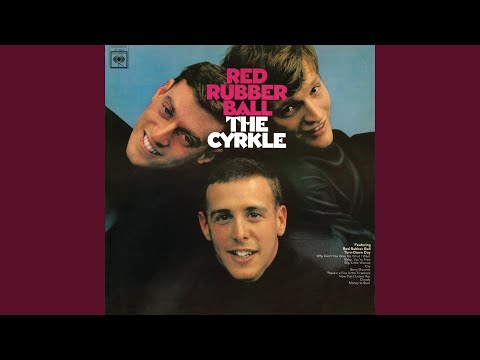

→ More from the 1960s File
View all 1960s hits →




Keep digging