The 1960s File Feature
Red Rubber Ball
"Red Rubber Ball" — The Cyrkle's Moment in the Summer of 1966 A Season Ripe for Bright Pop The summer of 1966 was a peculiar, charged moment in American popu…
01 The Story
"Red Rubber Ball" — The Cyrkle's Moment in the Summer of 1966
A Season Ripe for Bright Pop
The summer of 1966 was a peculiar, charged moment in American popular music. The Beatles were pulling away from touring, psychedelia was just beginning to cloud the edges of the AM dial, and yet something in the air still demanded unabashed, bouncing optimism. Radio programmers needed songs that could cut through the humidity and stick in your head on the drive to the beach. Red Rubber Ball, released in May of that year by a young Philadelphia group called The Cyrkle, arrived precisely when that kind of song was most needed.
The Song Behind the Sunshine
The track was co-written by Paul Simon and Bruce Woodley, the latter a member of the Australian folk group The Seekers. Simon had been honing his craft through years of Greenwich Village performances and a period spent in England absorbing folk influences, and the songwriting partnership with Woodley produced something lighter and more commercially polished than much of Simon's solo output at the time. The song carries an irresistible melodic lift, built on a jangly acoustic guitar figure and a chorus that seems to physically rise as it plays. Its production, bright and clean in the prevailing Columbia Records pop style, suited the era perfectly.
The Cyrkle and Their Unlikely Path to the Charts
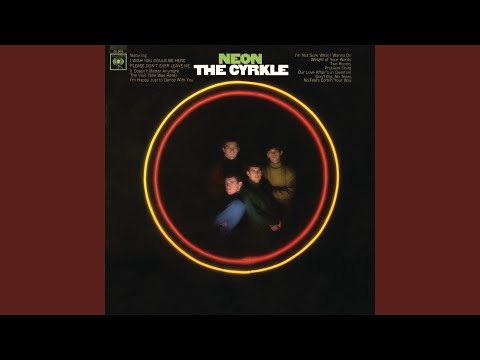
The Cyrkle themselves had an unusual origin story for a chart act. They were originally called Rhonda and the Raiders, a college group from Easton, Pennsylvania, before being discovered by Brian Epstein, the manager who had guided The Beatles to global fame. Brian Epstein signed The Cyrkle and gave them their name, a detail that lent the band an improbable glamour. Their association with Epstein brought them opening-act slots on a 1966 Beatles tour, placing them in front of audiences that dwarfed anything a college band from Pennsylvania might have otherwise encountered.
A Rocket Climb Up the Hot 100
The commercial trajectory of Red Rubber Ball was remarkable for its speed. The single debuted on the Billboard Hot 100 on May 21, 1966, entering at number 90, then proceeded to climb with unusual consistency over the following weeks: 65, 35, 19, 10, and continuing upward. By July 9, 1966, it had reached its peak position of number 2 on the Hot 100, spending a total of 13 weeks on the chart. That peak position represented genuine mainstream dominance during a summer when competition from The Beatles, The Rolling Stones, and the entire Motown roster was fierce. Reaching number 2 in that environment was a substantial achievement for a group that had been playing fraternity parties not long before.
Legacy and What Followed
The Cyrkle never quite replicated the commercial success of Red Rubber Ball, though they placed other singles on the chart and continued recording through the late 1960s. The song itself endured as a touchstone of mid-1960s sunshine pop, cited frequently in retrospectives about the genre's golden window before psychedelia reshaped audience expectations. Paul Simon's co-writing credit gave the track an added layer of historical interest as Simon went on to define a major strain of American songwriting with Art Garfunkel and, later, as a solo artist. The song represents a road briefly not taken in his career, a moment when his talent was channeled into something purely, gloriously commercial.
For listeners today, Red Rubber Ball functions as a kind of aural time capsule: three minutes of 1966 summer compressed into a single, perfect pop artifact. The jangle, the lift of the chorus, the uncomplicated emotional release of it all. Press play and the season returns.
"Red Rubber Ball" — The Cyrkle's singular moment on the 1960s charts.
02 Song Meaning
"Red Rubber Ball" — Resilience, Release, and the Sound of Moving On
The Emotional Core of the Lyric
At its center, Red Rubber Ball is a song about leaving. Specifically, about leaving behind a relationship that had diminished the narrator, and discovering that the world beyond it is vivid and full. The central image Paul Simon and Bruce Woodley built their lyric around is simple but memorable: an object bouncing back, always returning to its natural state regardless of how hard it has been pushed down. It is a metaphor that works precisely because it does not strain for profundity. The image is playful, slightly absurd, and entirely appropriate to the tone of emotional recovery.
Optimism as a Serious Statement
In 1966, pop music occupied a contested emotional space. Folk artists were demanding engagement with protest and social critique, while the emerging psychedelic movement was offering interior journeys of a different kind. The willingness to write unironic, unguarded optimism was itself a kind of position in that environment. The narrator of Red Rubber Ball does not hedge or qualify his relief. He has been through something difficult, and now that difficulty is behind him, and the sun is genuinely shining. That emotional directness resonated with listeners who were perhaps weary of being asked to feel conflicted about everything.
The Theme of Self-Reclamation
One of the song's subtler achievements is its framing of romantic recovery as a return to the self. The narrator does not immediately find a new love interest or fill the void with distraction. The joy in the lyric is about restored independence, about the realization that one's own spirit and energy had been suppressed by a draining relationship and are now freely available again. That theme, the rediscovery of personal vitality after leaving an emotionally costly situation, gave the song a breadth of relatability that extended well beyond its era.
Why It Worked on the Radio
The genius of Red Rubber Ball as a piece of songwriting lies in how thoroughly its emotional content is encoded into its musical structure. The ascending melody of the chorus physically enacts the bounce described in the lyric. The arrangement's brightness, its jangle and forward momentum, reinforces the feeling of moving forward rather than looking back. Listeners in the summer of 1966 did not need to consciously parse the lyric to absorb its meaning; the music delivered the emotional argument before the words had finished landing. This alignment of form and feeling is what separates an enduring pop song from a merely competent one.
A Lasting Place in Sunshine Pop
Retrospectively, Red Rubber Ball is regularly grouped among the defining examples of mid-1960s sunshine pop, a genre characterized by clean production, major-key melodies, and lyrics that emphasized uncomplicated emotional positivity. The song's legacy within that canon is secure. It also stands as a document of Paul Simon's early commercial instincts before his work became more literary and introspective. The co-writing credit connects the song to one of popular music's most distinguished careers, giving it a biographical dimension that adds interest for listeners approaching it decades later. The track endures because the feeling it captures is genuinely universal: the specific lightness of a weight you have finally put down.
→ More from The Cyrkle
View all The Cyrkle hits →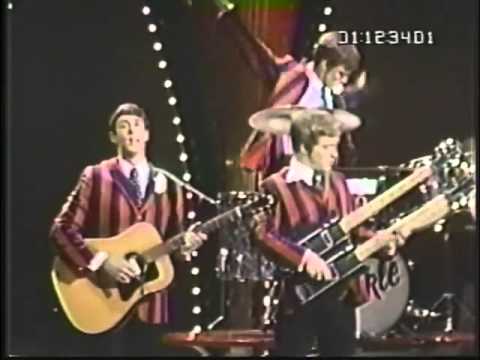

→ More from the 1960s File
View all 1960s hits →




Keep digging