The 1960s File Feature
Just A Little
The Moody Jangle of Just A Little by The Beau Brummels Picture San Francisco in 1965, where a young band was helping to define a distinctly American answer t…
01 The Story
The Moody Jangle of "Just A Little" by The Beau Brummels
Picture San Francisco in 1965, where a young band was helping to define a distinctly American answer to the British Invasion that had swept the nation. The Beau Brummels arrived with this melancholy, harmony-rich single, blending jangling guitars with a brooding emotional undertow. It became one of the era's notable hits, helping to lay the groundwork for the folk-rock and jangle-pop sounds that would soon flourish on the American West Coast.
An American Answer to the British Invasion
In 1965, American bands were scrambling to respond to the overwhelming popularity of British groups, and The Beau Brummels were among the first to do so successfully. Hailing from San Francisco, they crafted a sound that nodded to the British acts while developing its own moody, melodic identity. "Just A Little" became one of their biggest hits, establishing them as significant early figures in the emerging American rock scene. Their success demonstrated that homegrown bands could compete with the imports flooding the charts.
The Sound of Early Folk-Rock
Musically, the track blends jangling guitars, rich vocal harmonies, and a melancholy emotional tone that set it apart from much of the cheerier pop of the time. The arrangement carries a brooding quality, a sense of romantic uncertainty woven through its melodic structure. There is a foreshadowing here of the folk-rock and jangle-pop sounds that would come to define the West Coast scene in the years ahead. The song's moody sophistication marked the band as forward-thinking pioneers of an evolving American sound.
A Strong Climb Up the Hot 100
The single performed impressively on the chart. "Just A Little" debuted on the Billboard Hot 100 on April 17, 1965, at number 81, then climbed rapidly through the spring. It leaped to 61, then 48, then 35, then 24 in successive weeks. The track ultimately peaked at number 8 during the week of June 5, 1965, breaking into the top ten, and it spent 12 weeks on the Hot 100. That strong showing confirmed the band's significance and demonstrated the appetite among American audiences for homegrown rock that could rival the British competition.
The Birth of the San Francisco Sound
The Beau Brummels emerged from San Francisco at a moment when the city was about to become one of the most important centers in American music. While the psychedelic explosion that would define San Francisco lay a few years ahead, bands like this one were already establishing the city as a hotbed of musical innovation. Their blend of British-influenced melody and homegrown moody sophistication helped seed the fertile ground from which the later scene would grow. The folk-rock and jangle-pop textures they explored anticipated developments that would soon reshape American music entirely. In this sense, the band occupies a foundational place in the story of West Coast rock, an early voice in a region that would soon revolutionize popular music. Their success demonstrated that San Francisco could produce music of genuine ambition and originality, paving the way for the artistic flowering to come.
A Pioneering Moment in American Rock
Within the story of 1960s rock, this single stands as an important early example of the American response to the British Invasion. The Beau Brummels helped pave the way for the folk-rock movement that would soon dominate, and this song remains their best-known achievement. With 1.1 million YouTube views, the track continues to find listeners who appreciate its moody, melodic charm. It remains a fine illustration of how American bands forged their own identity during a pivotal moment in rock history.
Press Play and Feel the Mood
Cue this one up to hear an early gem of American folk-rock. Let the jangling guitars and rich harmonies draw you into the song's brooding atmosphere, and you will understand why The Beau Brummels mattered so much to the evolution of the era's sound. It is a moody, melodic treasure.
"Just A Little" — The Beau Brummels's singular moment on the 1960s charts.
02 Song Meaning
What "Just A Little" Is Really About
This Beau Brummels single is a plea for a lover's affection and commitment, a song about asking for even a small measure of love and reassurance. Its melancholy tone gives the simple request an undertone of romantic insecurity, the worry that the feeling may not be returned in full.
A Modest Request for Love
The heart of the song is its humble appeal. The narrator asks only for a little affection, a small sign that his feelings are reciprocated. That modesty reveals a certain vulnerability, the sense of someone uncertain of his standing in a relationship. Rather than demanding grand declarations, he simply hopes for a token of love, which makes the request all the more poignant and relatable.
Insecurity Beneath the Melody
The song's brooding tone reflects an emotional undercurrent of doubt. The plea carries an unspoken fear that the love may not be fully returned, a worry that colors the entire song. That insecurity is what gives the track its emotional depth, transforming a simple request into a portrait of romantic anxiety. The melancholy melody reinforces this feeling, matching the lyric's uncertainty with its moody, atmospheric sound.
A Reflection of a Changing Sound
The song captures a transitional moment in American popular music, as the cheerful pop of the early 1960s gave way to moodier, more emotionally complex sounds. Its melancholy sophistication anticipated the folk-rock movement to come. The Beau Brummels helped pioneer this shift, infusing pop with a darker, more introspective sensibility that would soon flourish. The song reflects a music scene growing more emotionally ambitious and adventurous.
The Dignity of Asking for So Little
There is something quietly moving about the modesty of the song's request. Rather than demanding total devotion, the narrator asks only for a small token of affection, a little reassurance to ease his uncertainty. That humility reveals both vulnerability and a kind of dignity, the willingness to accept whatever measure of love is offered rather than insisting on more than the other person can give. It captures a particular emotional posture, the position of someone who loves more than he is loved in return and knows it. He does not rage or plead excessively; he simply hopes for a little. That restrained, dignified longing is more affecting than any grand demand could be, because it reflects the real and painful experience of unequal love. The song honors that quiet ache with its melancholy beauty.
Why It Still Resonates
The vulnerable hope for a little love and reassurance is deeply and universally relatable. The song's blend of modest plea and melancholy mood keeps it affecting, speaking to anyone who has longed for a sign that their feelings are returned. Carried by jangling guitars and rich harmonies, that wistful longing continues to connect with listeners who discover it.
→ More from The Beau Brummels
View all The Beau Brummels hits →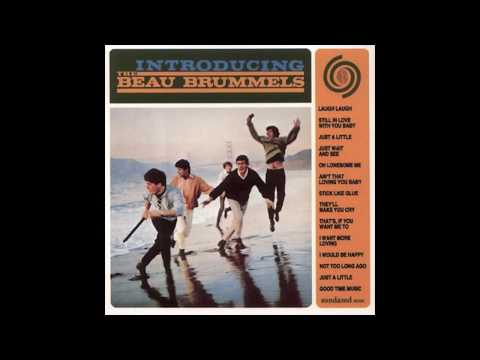


→ More from the 1960s File
View all 1960s hits →




Keep digging