The 1960s File Feature
Never My Love
"Never My Love" — The Association's Soft Rock Masterwork The Summer of 1967 and Its Discontents The summer of 1967 is remembered primarily for its psychedeli…
01 The Story
"Never My Love" — The Association's Soft Rock Masterwork
The Summer of 1967 and Its Discontents
The summer of 1967 is remembered primarily for its psychedelic excesses, its political urgency, and its sense of generational rupture. The Monterey Pop Festival in June announced a new rock consciousness; the streets of American cities were tense with unrest. And yet, running underneath the cultural noise of that particular summer, there was also this: a gentle, soaring love song from a Los Angeles vocal group, steadily climbing toward the upper reaches of the Billboard Hot 100 while the world around it seemed to be coming apart at the seams. "Never My Love" by The Association arrived in 1967 as a reminder that pop music serves many emotional functions simultaneously, and that the desire to hear something beautiful and reassuring does not disappear during times of upheaval.
The Association and Their Sound
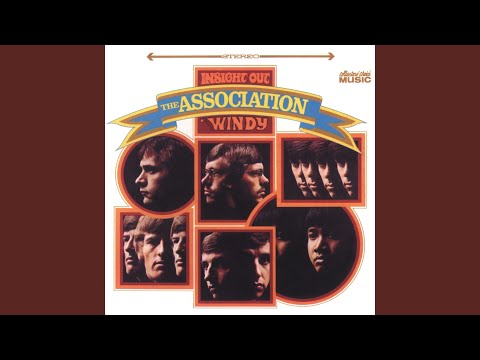
The Association had formed in Los Angeles in 1965, assembling a lineup notable for its size and for the caliber of the vocal harmonies its members could produce. The group's approach occupied a space between folk-influenced pop and what would later be identified as soft rock, characterized by sophisticated chord structures, careful arrangements, and vocal blend that set them apart from the more guitar-forward sounds of their British Invasion contemporaries. Their 1967 album Insight Out contained "Never My Love", a song written by Don and Dick Addrisi, two brothers who had developed a prolific professional relationship as a songwriting team. The Addrisi Brothers' composition gave The Association a vehicle perfectly matched to their vocal strengths: melodically rich, harmonically sophisticated, and emotionally direct.
The Recording
The production of "Never My Love" benefited from the studio resources available to a group with an established major label relationship. The arrangement features lush orchestration supporting the group's vocal performance, with strings and brass adding warmth and scale without overwhelming the fundamental simplicity of the song's emotional message. The harmonies The Association brought to the record reflected hours of disciplined ensemble work, the kind of blended vocal texture that requires every singer to subordinate individual expression to the group sound. That discipline, invisible to the casual listener, is audible in the seamless quality of the result. The track was produced with the polished care that defined the best Los Angeles pop studio work of the period.
Fourteen Weeks and a Peak of Two
"Never My Love" debuted at number 83 on August 26, 1967, and climbed steadily through the fall. The peak position of number 2 arrived on October 7, 1967, after 14 weeks on the chart, a run that established the record as one of the most successful singles of the year. The track reportedly went on to become one of the most frequently broadcast songs in American radio history in the subsequent decades, accumulating an extraordinary number of radio spins across multiple formats. That kind of sustained broadcast presence speaks to a quality of melodic and emotional accessibility that outlasted its initial chart moment by decades.
Enduring Legacy
In the years following its initial release, "Never My Love" was covered by an enormous range of artists across multiple genres, including soul, R&B, and jazz performers who found in the song a harmonic richness that supported diverse interpretive approaches. The Addrisi Brothers' songwriting demonstrated how a well-constructed pop song can function as a template that welcomes reinvention without losing its identity through the process. The Association's original recording remains the definitive version, however, its harmonies and arrangement so precisely matched to the song's emotional content that subsequent interpreters must find something new to say about it. That original recording, now more than five decades old, remains the most compelling argument for the enduring value of craft in popular music.
Let "Never My Love" find you in a quiet moment, and hear why it has been on the radio, somewhere, almost every day since 1967.
"Never My Love" — The Association's singular moment on the 1960s charts.
02 Song Meaning
"Never My Love" — Reassurance as an Art Form
The Emotional Promise
At its simplest level, "Never My Love" is a song of reassurance. Its central lyrical move is to respond to the anxieties and doubts that inevitably accompany romantic attachment, the fears that the other person will leave, grow tired, or change, with a series of gentle negations. The song refuses to allow those fears to take hold, meeting each worry with a steady, calm declaration that none of those feared outcomes will occur. This structure of question and answer, doubt and reassurance, gives the song its distinctive emotional shape. The listener does not hear the fearful questions directly but feels their presence in the architecture of the responses.
Emotional Security in an Insecure Time
Released during one of the more turbulent summers in recent American memory, "Never My Love" offered its listeners something that the surrounding cultural moment was not providing: stability, permanence, and the feeling that some things could be counted on. Pop music has always served this function alongside its role as a vehicle for excitement and experimentation. The desire to hear that love is real and lasting does not diminish during periods of social upheaval; if anything, it intensifies. The song's enormous radio presence in the years following 1967 suggests it continued to serve that need long after the specific events of that summer had receded from immediate memory.
Vocal Harmony as Emotional Reinforcement
The way The Association delivered "Never My Love" matters as much as the lyrical content, because the group's vocal harmonies enact the song's emotional message. Harmonious voices in tight blend communicate agreement, community, and stability through sound before a single word registers consciously. The sonic experience of those interweaving vocal lines reinforces what the lyrics are saying about durability and commitment. This alignment between form and content, between how the song sounds and what it means, is one of the characteristics that distinguish lasting pop records from merely competent ones.
Cultural Legacy
The extraordinary range of artists who have recorded "Never My Love" across the decades since 1967 testifies to the universality of its emotional core. From soul singers to jazz instrumentalists to country vocalists, performers across genres found in the song's chord changes and emotional architecture something worth claiming as their own. This cross-genre appeal reflects a song that works at a level below genre specificity, addressing human emotional needs that transcend any particular musical tradition. The Addrisi Brothers wrote something that belongs to everyone, and The Association recorded the version that established what that something could be at its best.
"Never My Love" — The Association's singular moment on the 1960s charts.
→ More from The Association
View all The Association hits →

→ More from the 1960s File
View all 1960s hits →




Keep digging