The 1960s File Feature
Along Comes Mary
Along Comes Mary — The Association "Along Comes Mary" was the debut single by The Association, released in 1966 on Valiant Records , and it arrived with enou…
01 The Story
Along Comes Mary — The Association
"Along Comes Mary" was the debut single by The Association, released in 1966 on Valiant Records, and it arrived with enough commercial and critical force to establish the Los Angeles vocal group as one of the more distinctive voices in American pop of the decade. Written by Tandyn Almer, a California songwriter with a reputation for unconventional lyrical approaches, the song combined the group's exceptional harmonic capabilities with a lyric that generated immediate and sustained controversy. It charted impressively on the Billboard Hot 100, reaching number seven in the summer of 1966, and introduced audiences to a group whose vocal architecture was unlike anything currently on American radio.
The Association had formed in the Los Angeles folk-pop scene of the mid-1960s, growing out of a series of rehearsal sessions and informal performances at a venue called the Ice House in Pasadena, California. The group that recorded "Along Comes Mary" included Terry Kirkman, Jules Alexander, Gary Alexander, Russ Giguere, Brian Cole, Ted Bluechel Jr., and Jim Yester, a lineup that gave the band an unusually rich harmonic palette. Their ability to stack voices in complex arrangements, drawing on folk, jazz, and pop influences simultaneously, set them apart from the straightforward harmonic approaches of many contemporaries.
Tandyn Almer's lyric for "Along Comes Mary" was parsed from the moment of its release by listeners and critics trying to determine whether it contained drug references, specifically whether "Mary" was a coded reference to marijuana. Radio stations in certain markets expressed concern about the song's imagery, and the controversy generated considerable publicity that almost certainly contributed to its chart success. The Association themselves consistently offered ambiguous responses to questions about the lyric's subject matter, neither confirming nor denying the drug interpretation, which kept the conversation alive throughout the song's chart run.
Producer Curt Boettcher worked with the group to create a sound that was simultaneously lush and energetic, matching the complexity of the vocal arrangements with a production aesthetic that drew on the sophisticated pop sensibilities then emerging from Los Angeles studios. The recording has a brightness and forward momentum that distinguished it from the more languid approach of much West Coast pop of the period. The rhythm section drives the track urgently while the vocals create layers of harmonic interest above it, and the combination felt fresh in the context of the summer 1966 chart environment.
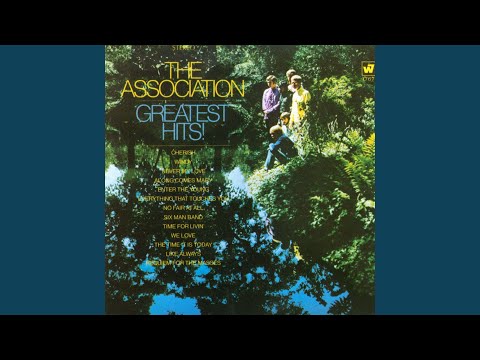
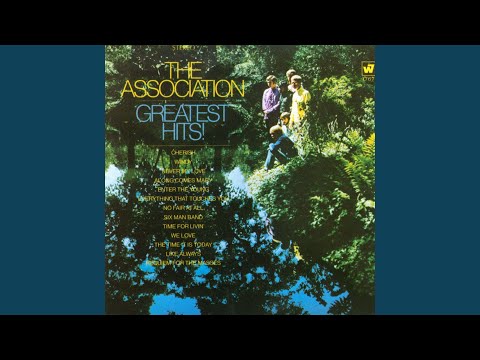
Valiant Records, an independent label distributed through Warner Bros., had signed The Association and released "Along Comes Mary" as an act of considerable commercial faith. The single's success justified that faith and positioned the label and the band for subsequent releases. The Association followed "Along Comes Mary" with "Cherish," which reached number one on the Billboard Hot 100 in 1966 and became one of the defining romantic ballads of the decade. The contrast between the rhythmic energy of "Along Comes Mary" and the sweeping tenderness of "Cherish" demonstrated the group's range and established them as versatile commercial artists rather than one-dimensional hitmakers.
The cultural context of 1966 is important for understanding the song's reception. American pop was in a period of rapid transformation, with the Beatles' Revolver and the Beach Boys' Pet Sounds both released that year and pulling the entire industry toward greater sophistication in production and lyrical content. "Along Comes Mary" fit comfortably into this environment of heightened ambition, offering listeners something that rewarded close attention while remaining accessible enough for mainstream radio play. The controversy about its lyrical content, whether genuine or manufactured, positioned it as a song with something to say beyond the standard vocabulary of early 1960s pop.
The Association moved to Warner Bros. Records when Valiant was absorbed by that label, and their commercial momentum continued through the late 1960s with additional major hits. "Along Comes Mary" remained a signature piece in their live performances and a reference point for discussions of their artistic identity. Its blend of harmonic sophistication with accessible pop structure influenced subsequent California vocal groups and contributed to the aesthetic vocabulary of what would later be identified as the sunshine pop genre.
Decades after its release, the song has retained its place in discussions of 1960s pop as both a commercial achievement and a document of a particular cultural moment. Its appearance on compilation albums covering the era has introduced successive generations to the group's approach, and its associations with the ambiguities and freedoms of mid-1960s counterculture have kept it resonant as a historical artifact beyond its pure musical qualities.
02 Song Meaning
Along Comes Mary — Meaning and Themes
"Along Comes Mary" operates as a song about salvation through arrival, the idea that a person or force entering the narrator's life has the power to transform what was previously stagnant, confused, or painful into something vital and purposeful. The Mary of the title functions as a catalytic presence, a figure whose appearance reorganizes the narrator's emotional and perceptual world. Whether that figure is a romantic partner, a philosophical concept, or something else entirely is left deliberately open, and that openness is central to the song's lyrical strategy and its enduring interpretive interest.
Tandyn Almer constructed the lyric around a series of contrasts between before and after states, depicting the narrator's pre-Mary existence as characterized by confusion, wasted time, and an inability to find coherent meaning. The arrival of Mary does not merely improve this condition but fundamentally alters the terms on which the narrator understands experience. This pattern of radical transformation through encounter is a romantic convention, but the song's imagery pushes beyond standard romantic description into territory that feels more visionary and less personal, as if the transformation being described is as much spiritual or philosophical as it is emotional.
The controversy surrounding the song's possible drug references reflects a genuine ambiguity in the writing. The imagery of transformation, altered perception, and sudden clarity could plausibly support either a romantic reading or a reading in which the catalytic substance is pharmacological rather than personal. Almer never settled the question definitively, and The Association maintained a productive ambiguity in their public statements. This ambiguity was itself artistically deliberate in the context of 1966, when the relationship between pop music, countercultural experimentation, and altered states was being actively negotiated in American culture.
The vocal arrangement amplifies the song's thematic content in important ways. The layering of voices, with different harmonic lines entering and combining throughout the track, creates an auditory experience of accumulation and complexity that mirrors the lyrical description of a world becoming richer and more meaningful through the arrival of the titular figure. The music is not merely illustrating the lyric but embodying its central claim that encounter with something transformative changes the entire texture of experience.
For The Association's artistic identity, "Along Comes Mary" established the group as willing to engage with lyrical ambiguity and thematic complexity at a moment when much American pop was still operating within relatively conservative formal boundaries. The song demonstrated that the group's harmonic sophistication extended to their approach to subject matter, and that they could hold multiple interpretive possibilities open simultaneously without resolving them into simple statements. That intellectual and emotional openness became a characteristic of their best work and distinguished them from groups that used their vocal abilities in service of more conventional material.
The song's place in the sunshine pop genre is complicated by this ambiguity. Sunshine pop is often characterized as optimistic and affirmative, and "Along Comes Mary" is certainly energetic and forward-moving. But the darkness it implicitly depicts in the narrator's pre-Mary condition, and the slightly feverish quality of the transformation it celebrates, gives the track a complexity that sits uneasily with the genre's cheerful associations. It is a song about feeling better, but the intensity with which it describes that improvement suggests that what preceded it was genuinely difficult, and that undercurrent of complexity is what has made the song interesting to listeners and critics across multiple decades.
→ More from The Association
View all The Association hits →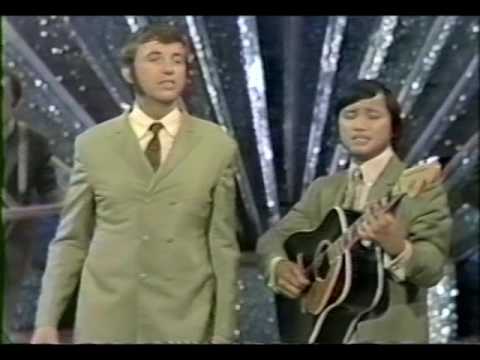

→ More from the 1960s File
View all 1960s hits →




Keep digging