The 1960s File Feature
The Price
Solomon Burke Pays The Price Step into the soul landscape of late 1964, a moment when the music was maturing from its gospel and rhythm-and-blues roots into …
01 The Story
Solomon Burke Pays "The Price"
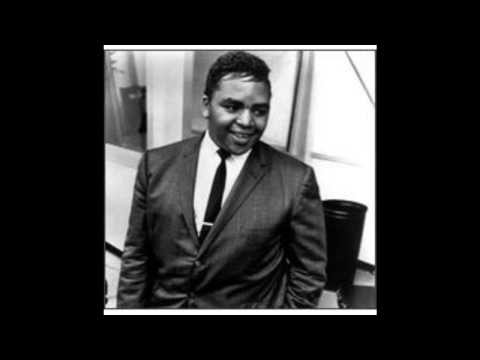
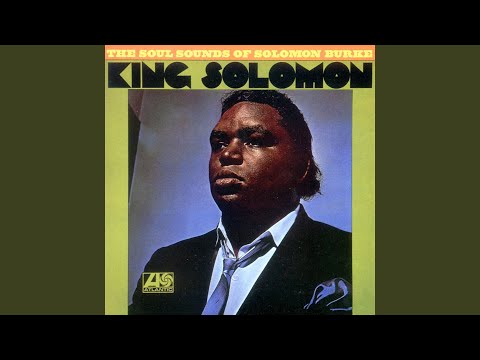
Step into the soul landscape of late 1964, a moment when the music was maturing from its gospel and rhythm-and-blues roots into something grand, dramatic, and deeply emotional. At the center of that transformation stood Solomon Burke, a towering figure often hailed as a king of rock and soul, a preacher-turned-singer whose commanding voice could shift from tender to thunderous in a heartbeat. His recording of "The Price" is a stirring, gospel-drenched ballad that captures everything that made him one of soul's foundational architects.
A Preacher's Voice in the Secular World
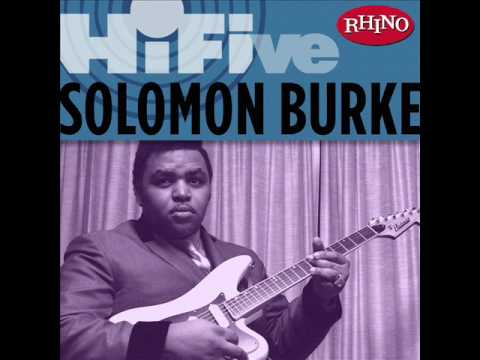
Solomon Burke came to soul music with an authority few could match. His background in the church gave his singing a sermon-like power, a way of testifying that turned every performance into something close to a revival meeting. By 1964, he was a cornerstone artist for his label, helping to define the emerging sound of Southern soul with a string of emotionally resonant records. He possessed both the vocal firepower and the interpretive intelligence to make a lyric feel lived-in, and his influence on the singers who followed would prove immense. He was, quite simply, one of the essential voices of the genre.
The Cost of Love and Loss
The song deals with heartbreak and the emotional toll of a love gone wrong, framing pain as a debt that must be paid. That metaphor of a price to be settled runs through the lyric, giving it a weight and gravity that Burke exploits fully. His delivery is masterful, moving between restrained sorrow and full-throated anguish with the instincts of a natural performer. The arrangement supports him with the warm, churchy textures characteristic of mid-sixties soul, leaving ample room for his voice to command the spotlight and carry the emotional message home.
A Modest Pop Showing for a Soul Giant
On the pop chart, "The Price" was a relatively minor entry, and that honest assessment is worth making. The song debuted on the Billboard Hot 100 at number 76 on November 28, 1964. It climbed steadily through December, gathering a modest head of steam. It reached its peak of number 57 during the week of December 19, 1964, before beginning to slip. In all, the song spent five weeks on the Hot 100. Those figures reflect a familiar pattern for soul artists of the era, whose records often performed far better on the rhythm-and-blues chart than on the broader pop tally. The Hot 100 numbers do not capture the full measure of Burke's impact.
The Real Story on the R&B Circuit
To understand Solomon Burke's significance, you have to look beyond the pop chart to the rhythm-and-blues world, where he was a genuine star and a consistent hitmaker. "The Price" was one entry in a remarkable run of records that shaped the direction of soul music. His legacy rests on his role as a founding father of the genre, an artist whose emotional depth and vocal command set a standard for everyone who came after. Critics and fellow musicians alike revered him, and his catalog remains a touchstone for anyone studying the roots of soul.
A King Worth Rediscovering
Though casual listeners may know other soul names more readily, Burke's stature among connoisseurs has only grown with time. "The Price" stands as a fine showcase of his gifts, a record that rewards close listening. Its roughly 69,000 YouTube views reflect the steady curiosity of listeners drawn to explore the work of one of the music's true giants.
Press Play and Hear a Master
Cue it up and let that magnificent, gospel-forged voice do its work. There is a reason Solomon Burke is spoken of with such reverence, and a few minutes with this record makes the case all on its own.
"The Price" — Solomon Burke's singular moment on the 1960s charts.
02 Song Meaning
The Emotional Debt of "The Price"
The meaning of Solomon Burke's "The Price" hinges on a single powerful metaphor: the idea that love, and especially lost love, exacts a cost that the heart must pay. The song treats heartbreak as a kind of debt, a reckoning that comes due whether we are ready for it or not, and Burke sings it with the gravity of a man who knows the ledger by heart.
Heartbreak as a Reckoning
The central conceit of the song is that loving someone carries a price, and that when love goes wrong, the pain is the bill you are handed. The main theme is the emotional cost of love and loss, the suffering that follows when a relationship fails. This framing gives ordinary heartbreak a weightier, almost moral dimension, suggesting that the sorrow the narrator feels is the inevitable consequence of having loved at all.
Suffering Rendered With Dignity
What elevates the song is the way it treats pain not as mere complaint but as something to be borne with a kind of dignity. Burke transforms private anguish into a public testimony, channeling his gospel background to give the sorrow a sense of shared, almost sacred meaning. The result is heartbreak that feels ennobled rather than pitiful, a suffering that the listener can respect as well as sympathize with.
The Gospel Roots of Soul
The song's emotional architecture reflects the deep connection between soul music and the church. The gospel tradition shapes both the sound and the sentiment, lending the performance its testifying intensity. Where a church hymn might address spiritual longing, this record channels that same fervor into the earthly territory of romantic loss, a transfer of religious feeling into secular pain that defined the soul genre.
The Universality of Emotional Cost
Beneath its specific story lies a universal truth: that caring deeply about anyone leaves us vulnerable to loss. The idea that love has a price is something everyone eventually learns. That relatability is part of why the song resonates, giving voice to a hard-won wisdom about the risks of the heart.
Dignity in the Face of Loss
There is a quiet strength running beneath the sorrow of this song. The narrator does not beg or collapse; he acknowledges the cost and stands to pay it. The lyric frames endurance itself as a form of dignity, suggesting that how a person carries their heartbreak reveals their character. That posture of bearing pain with grace gives the record a maturity that lifts it above simple lament, turning private grief into something closer to a statement of resilience.
Why It Endures
The song connects because it treats heartbreak with the seriousness it deserves. Rather than trivializing the pain, it honors it, and delivered by a voice as authoritative as Burke's, that respect for human suffering becomes genuinely moving. It reminds us that sorrow, fully felt and fully sung, can be its own kind of catharsis, and that the willingness to face loss squarely is one of the deepest gifts the blues and soul traditions have to offer.
→ More from Solomon Burke
View all Solomon Burke hits →

→ More from the 1960s File
View all 1960s hits →




Keep digging