The 1960s File Feature
Baby Come On Home
"Baby Come On Home" — Solomon Burke and the Depth of Soul The King in His Court There was a period in the mid-1960s when Solomon Burke presided over soul mus…
01 The Story
"Baby Come On Home" — Solomon Burke and the Depth of Soul
The King in His Court
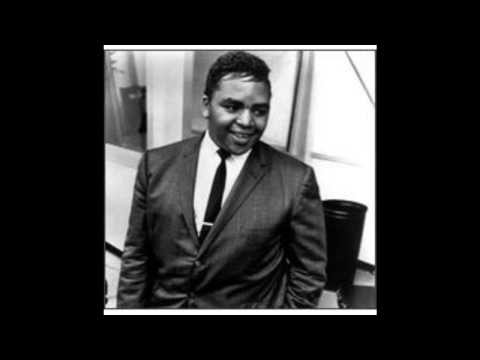
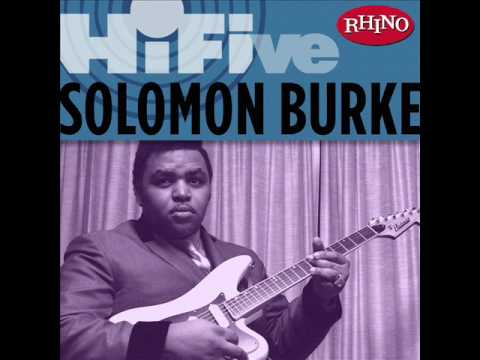
There was a period in the mid-1960s when Solomon Burke presided over soul music with the authority of a monarch, which was not coincidental given the crown he sometimes wore onstage. By 1966, Burke had accumulated a body of work that placed him among the architects of the soul genre, a preacher's son from Philadelphia whose voice carried the full weight of the gospel tradition and redirected it into secular music with devastating effect. Solomon Burke could turn a three-minute single into something that felt like a spiritual event, and his recordings for Atlantic Records had earned him a devoted following that understood exactly what they were hearing when the needle dropped.
The January 1966 chart appearance of Baby Come On Home came during a period when Burke's commercial momentum was transitioning. His peak Atlantic years had seen genuine top-chart success, and he remained a formidable presence in the R&B world even as the pop crossover dynamics of the mid-1960s grew more complex. The track entered the Billboard Hot 100 and found modest ground, reflecting the competitive landscape rather than any deficiency in the performance.
Atlantic Records and the Sound of Pleading
Burke's work with Atlantic Records benefited from a label infrastructure deeply committed to quality soul production, and the recordings from this period demonstrate that commitment. The arrangements that typically surrounded his voice were designed to amplify rather than compete with the extraordinary instrument at the center of the performance. Burke's vocal range and emotional flexibility gave producers enormous latitude in terms of what they could ask a track to do, from slow-burning ballads to more uptempo numbers that built toward cathartic release.
Baby Come On Home fits the template of the urgent appeal, a narrator calling out to a loved one who has either left or is in danger of leaving, channeling desperation into something beautiful and controlled. The emotional architecture of this kind of song depends entirely on the performer's ability to make the pleading feel real without turning it into melodrama, and Burke was one of the few singers of his generation who could consistently thread that needle.
A Brief But Real Chart Moment
The Billboard Hot 100 data shows a two-week chart presence, debuting at number 100 on January 8, 1966, and climbing to its peak position of number 96 on January 15, 1966. Two weeks is a brief run by any measure, but entry onto the Hot 100 itself represents meaningful chart action in a period when the competition for those 100 slots was intense. The R&B chart performance told a different story, as was often the case with Burke's recordings, reflecting a core audience whose loyalty to his artistry was deep and consistent.
The modest Hot 100 performance of this particular track should not obscure the larger picture of Burke's commercial significance. He was an artist whose catalog as a whole represented enormous creative and commercial achievement, and individual singles need to be understood within that context rather than in isolation.
The Broader Legacy of a Vocal Master
Solomon Burke's influence on the development of soul music, R&B, and rock extends in directions that are sometimes underestimated. The Rolling Stones recorded his Atlantic composition Everybody Needs Somebody to Love, which speaks to the reach of his creative footprint across genre lines. His approach to vocal performance, drawing on gospel's emotional directness while applying it to secular themes, helped define what soul music would become in the hands of artists who followed. Burke's ability to invest a lyric with genuine spiritual weight was a quality that other singers studied and admired even when they could not replicate it.
By 1966, he had also developed into one of the most commanding live performers in American music, an aspect of his artistry that his studio recordings can suggest but not fully capture. The live experience of a Solomon Burke performance was something listeners who caught it in this period remember in terms usually reserved for events rather than concerts.
A Voice That Endured
Burke continued making significant music well beyond his mid-1960s commercial peak, finding critical and audience appreciation in later decades that recognized the full span of his achievement. Baby Come On Home is one data point in a catalog of considerable richness, a moment when one of soul music's great voices was working at full power and finding ways to communicate truths that ordinary language struggles to reach.
Listen to that voice and understand immediately why the adjective "soulful" exists.
"Baby Come On Home" — Solomon Burke's singular moment on the 1960s charts.
02 Song Meaning
"Baby Come On Home" — Longing, Return, and Soul's Emotional Grammar
The Homecoming as Spiritual Metaphor
Soul music inherited from gospel a particular understanding of "home" as a layered concept, one that refers simultaneously to a physical place, a relationship, and a state of spiritual rightness. When Solomon Burke calls for someone to come home, the resonance of that call extends beyond its most literal meaning. The homecoming in soul music carries metaphysical weight, evoking a wholeness that has been disrupted and must be restored. That layering is part of what gives recordings in this tradition their emotional depth, even when the surface lyric is deceptively simple.
Desire Expressed Through Urgency
The track's emotional landscape is built on urgency. The narrator is not calmly awaiting a return; the appeal has a pressure to it, a sense that something important is at stake beyond ordinary loneliness or inconvenience. Burke's vocal delivery amplifies that urgency in ways that go beyond what the words alone can carry, investing the appeal with the kind of intensity that makes listeners feel the narrator's need as something real and immediate rather than constructed and performed.
This is a quality that distinguished the great soul singers from the merely competent ones. Anyone could deliver the words. Burke delivered the emotional experience behind the words, and that difference is the entirety of what separates a song that moves people from one that simply occupies time.
The Mid-1960s Landscape of Longing
Popular music in 1966 was in a period of rapid transformation. The British Invasion had reshaped the sonic landscape, psychedelia was beginning to emerge on the cultural horizon, and yet the market for straightforward, emotion-first soul and R&B remained enormous and devoted. Audiences who needed music to process real emotional experiences found in artists like Burke something that more experimental music was not yet offering: direct engagement with recognizable feelings without irony or distance. The vulnerability of a genuine appeal for return spoke to anyone who had experienced the specific ache of a relationship in jeopardy.
The themes of Baby Come On Home are timeless precisely because the experience of wanting someone to return is not specific to any era or demographic. Burke's version grounds that universal experience in a particular cultural and musical tradition, but the core emotional content is immediately accessible to any listener who has felt something similar.
The Gospel Inheritance
Understanding Burke's artistry requires understanding the tradition he came from. The Pentecostal church music of the mid-twentieth century Black American experience created singers who understood emotion as something to be communicated through the full instrument of the voice, not just its pleasant surface qualities. The tradition trained performers to access genuine feeling and transmit it directly, bypassing the protective distance that Western classical training often instilled. Burke carried that training into secular music and made it one of the defining qualities of his art.
The result is a body of work in which every performance feels invested with genuine conviction, not as a performance of sincerity but as the actual article. That quality is what listeners respond to, consciously or not, when they describe a singer as having "soul." Burke had it in extraordinary measure, and this track demonstrates why.
"Baby Come On Home" — Solomon Burke's singular moment on the 1960s charts.
→ More from Solomon Burke
View all Solomon Burke hits →

→ More from the 1960s File
View all 1960s hits →




Keep digging