The 1960s File Feature
Take Me (Just As I Am)
The Story Behind Solomon Burke's Take Me (Just As I Am) Soul Music's Reigning King Continues His Reign By the summer of 1967, Solomon Burke had already earne…
01 The Story
The Story Behind Solomon Burke's "Take Me (Just As I Am)"
Soul Music's Reigning King Continues His Reign
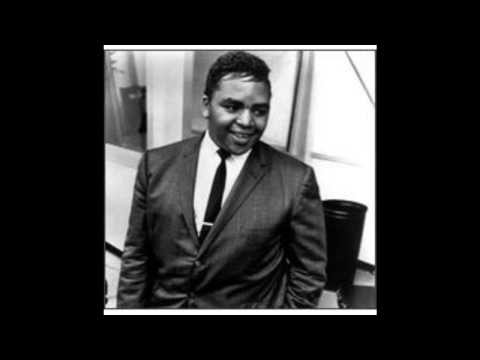
By the summer of 1967, Solomon Burke had already earned a reputation as one of soul music's most commanding vocalists, a performer whose gospel-rooted intensity and larger-than-life stage presence had made him a defining figure in the genre's early development. This single continued his string of soul releases blending church-honed vocal power with secular romantic themes, a combination that had become his artistic signature throughout the decade.
A Voice Forged in the Church
Burke's vocal approach drew heavily from his background as an actual ordained minister, bringing genuine gospel conviction and dynamic vocal control to secular material in a way that distinguished him from many of his soul contemporaries. This track showcases that same commanding vocal presence, treating a romantic plea with the same emotional intensity he might bring to a church sermon.
A Solid Mid-Chart Placement
The single debuted on the Billboard chart on July 1, 1967, and climbed over the following weeks to reach a peak position of number 49 during the week of July 22, 1967. The song remained on the chart for five weeks total, a respectable showing that added to Burke's already substantial run of chart successes throughout the mid-1960s.
Part of Atlantic Records' Soul Powerhouse Roster
This release came during Burke's tenure with a label deeply invested in cultivating soul music talent, surrounding him with skilled musicians and producers who understood how to frame his powerful voice within tight, dynamic arrangements. That institutional support helped ensure his singles maintained a consistently high level of musical craftsmanship throughout this productive period of his career.
A Plea Delivered With Total Conviction
The song's central request, asking to be accepted without pretense or conditions, gave Burke ample opportunity to demonstrate the emotional directness that made his performances so compelling to audiences. His delivery treats the plea not as a passive request but as an urgent, deeply felt demand, elevating relatively simple lyrical content through sheer vocal conviction.
An Influential Voice Often Overlooked
Though Burke never achieved the same level of mainstream crossover fame as some of his soul contemporaries, his influence on the genre's development remained substantial, with numerous later soul and rock artists citing his vocal approach as a key reference point. This song stands as one of many solid examples of the vocal power that earned him that lasting respect within the music community.
A Voice That Shaped Generations of Soul Singers
Burke's commanding delivery on tracks like this one would go on to influence countless soul and rock vocalists who studied his ability to merge gospel intensity with secular romantic material. That influence extended well beyond his own chart performance, cementing his reputation among musicians as one of the genre's most technically accomplished and emotionally persuasive vocal stylists throughout the decade.
A Worthy Reminder of Soul's Gospel Foundation
Today, the track remains a compelling listen for anyone interested in tracing soul music's deep roots in gospel tradition, showcasing exactly the kind of vocal intensity that made Burke such an influential figure. Press play and you can hear a preacher-turned-soul-singer pouring genuine conviction into every line. Backing musicians on the session brought a tight, disciplined arrangement that gave Burke's voice ample room to build dramatic tension across the track, a production choice that mirrored the restrained-then-explosive dynamic common throughout much of the label's most celebrated soul output during this era. Musicians and critics who studied Burke's catalog in subsequent decades frequently cited recordings like this one as evidence of just how thoroughly his gospel background shaped even his most secular material, a quality that later inspired numerous soul and rock vocalists searching for that same blend of restraint and explosive conviction.
"Take Me (Just As I Am)" — Solomon Burke's singular moment on the 1960s charts.
02 Song Meaning
What "Take Me (Just As I Am)" by Solomon Burke Is Really About
A Plea for Unconditional Acceptance
At its heart, this track centers on a heartfelt request to be loved and accepted exactly as one is, without demands for change or improvement. That theme of unconditional acceptance gives the song an emotional universality, speaking to anyone who has ever worried about being fully embraced by a partner despite their flaws.
Gospel Roots Shaping a Secular Plea
Solomon Burke's background as a minister gives this secular romantic plea an unmistakable spiritual undertone, echoing the language and cadence of hymns that ask for grace and acceptance without judgment. That gospel influence transforms what could have been a simple love song into something with deeper emotional and even spiritual resonance.
Vulnerability Beneath Vocal Power
Despite Burke's commanding, powerful vocal delivery, the song's underlying message is one of genuine vulnerability, an admission that the narrator cannot offer perfection and instead hopes to be valued for who he truly is. That contrast between vocal strength and lyrical vulnerability gives the performance a compelling emotional tension throughout.
Self-Acceptance as a Precondition for Love
By requesting acceptance "just as I am," the song implicitly acknowledges the narrator's own imperfections and past mistakes, suggesting a level of self-awareness that adds emotional depth to the romantic request. This isn't a demand for blind devotion but rather a hope for honest, clear-eyed acceptance.
A Theme Rooted in Soul Music's Emotional Honesty
Soul music of this era frequently explored themes of vulnerability and honest emotional need, rejecting more guarded or performative approaches to romantic expression found in other pop genres. This song fits squarely within that tradition, using direct, unembellished language to communicate its central emotional request.
The Power of Repetition and Vocal Emphasis
Burke's dynamic vocal delivery uses repetition and building intensity to emphasize the sincerity behind the song's central plea, treating the request for acceptance as something worth insisting upon rather than simply stating once and moving on. That vocal urgency reinforces just how much this acceptance matters to the narrator.
Acceptance as an Act of Trust
Asking to be taken exactly as one is requires a considerable degree of vulnerability, and the song frames that request as an act of trust extended toward a partner rather than a simple demand. Burke's gospel-trained phrasing underscores that emotional risk, treating the plea with the same weight and sincere urgency he might bring to a deeply personal prayer.
Why the Message Endures
Even decades after its release, the song's central theme of wanting to be loved without pretense remains deeply relatable, addressing an emotional need that transcends any particular era or musical trend. Burke's powerful, gospel-infused performance ensures that message continues to land with genuine emotional force for listeners today.
→ More from Solomon Burke
View all Solomon Burke hits →

→ More from the 1960s File
View all 1960s hits →




Keep digging