The 1960s File Feature
I Wish I Knew (How It Would Feel To Be Free)
Solomon Burke Reaches for Freedom on I Wish I Knew (How It Would Feel to Be Free) Picture the turbulent, hopeful world of 1968, a year of profound social cha…
01 The Story
Solomon Burke Reaches for Freedom on "I Wish I Knew (How It Would Feel to Be Free)"
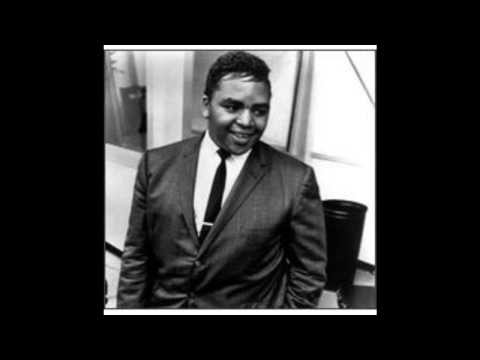
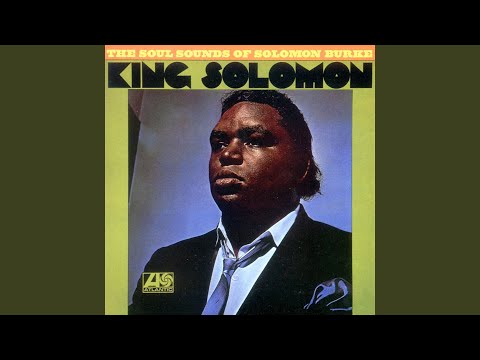
Picture the turbulent, hopeful world of 1968, a year of profound social change when the struggle for civil rights and human dignity echoed through every corner of American life and music. Into that charged moment stepped Solomon Burke, one of the towering figures of soul music, often called the King of Rock and Soul. With his powerful rendition of "I Wish I Knew (How It Would Feel to Be Free)" he brought his commanding voice to a song of profound longing for liberation, a recording that resonated deeply with the spirit of its era.
The King of Rock and Soul
Solomon Burke was a giant of soul music, a singer of immense power and emotional range whose recordings helped define the genre. He had scored a string of classics through the 1960s, blending gospel fervor, country influences, and rhythm and blues into a sound entirely his own. The song he interpreted here was written by the jazz pianist Billy Taylor, a composition that had become an anthem of the era's yearning for freedom and dignity. Burke's version brought his soulful, commanding delivery to a song whose message of liberation resonated powerfully in the charged atmosphere of the late 1960s.
A Soulful Anthem of Longing
The recording is a powerful soul performance, built around Burke's commanding, gospel-rooted voice and a warm, expressive arrangement. The production gives his voice room to soar, building from tender longing toward impassioned intensity in the grand soul tradition. The lyric paraphrases a deep yearning to know the feeling of true freedom, the longing to break the chains that bind and to live without limitation or fear. Burke delivers it with genuine conviction and emotional power, capturing both the ache of longing and the hope of liberation at the song's heart.
A Solid Run on the Hot 100
The single entered the Billboard Hot 100 dated May 4, 1968 at number 95. It climbed steadily through the late spring, moving into the 80s and then the 70s in successive weeks as it gathered momentum. The record ultimately peaked at number 68 on June 8, 1968, and spent 8 weeks on the chart. While more modest than some of Burke's biggest hits, the song's chart run reflected the deep resonance of its message in that pivotal year, when its longing for freedom spoke directly to the hopes and struggles of the moment.
A Song for Its Time and Beyond
In the larger story, "I Wish I Knew (How It Would Feel to Be Free)" stands as a powerful example of how soul music gave voice to the deepest yearnings of its era. The song became an enduring anthem of freedom and dignity, interpreted by many artists over the years and forever associated with the spirit of the civil rights era. Burke's soulful, impassioned version remains a moving testament to his artistry and to the power of music to express the universal longing for liberation. As one of the great architects of soul, he understood instinctively how to channel the deepest human yearnings into song, and his commanding interpretation of this anthem stands among the finest examples of that gift. That a song about freedom could resonate so powerfully in that particular year was no accident, and Burke's impassioned reading captured the hopes of a generation reaching toward a more just and liberated world.
Cue it up and let that commanding voice lift you. "I Wish I Knew (How It Would Feel to Be Free)" is Solomon Burke channeling the hope and longing of his era, a powerful soul anthem.
"I Wish I Knew (How It Would Feel to Be Free)" — Solomon Burke's singular moment on the 1960s charts.
02 Song Meaning
The Yearning for Liberation in "I Wish I Knew (How It Would Feel to Be Free)"
The longing to be truly free is one of the most profound of all human desires, and few songs express it as powerfully as "I Wish I Knew (How It Would Feel to Be Free)." Solomon Burke poured his commanding voice into this anthem of liberation, capturing both the ache of longing and the hope of freedom.
The Dream of Being Free
The central theme is the yearning for freedom and liberation. The lyric paraphrases a deep, aching desire to know the feeling of true freedom, to break the chains that bind and live without limitation, fear, or oppression. It expresses the longing to soar beyond the constraints that hold one down, to experience a life of dignity and possibility. The song gives voice to one of the most fundamental human aspirations.
Longing and Hope Intertwined
The emotional message blends aching longing with resilient hope. There is genuine yearning in the song, the pain of not yet being free, but also a powerful hope, the dream of a liberation that feels within reach. Burke's impassioned, gospel-rooted delivery captures both, building from tender longing toward soaring intensity. The song refuses to surrender to despair, holding fast to the hope of freedom even amid struggle.
An Anthem of Its Era
Culturally, the song carried profound weight in the civil rights era, when its message of freedom and dignity resonated deeply with the struggles and hopes of the time. The late 1960s were a moment of intense yearning for liberation and justice, and a song expressing the longing to be free spoke directly to the spirit of the movement. It became an enduring anthem, treasured for its powerful and timeless message.
Why It Resonated So Deeply
Listeners connected because the longing for freedom is so universally and deeply felt. The desire to live without constraint, to know true liberation, speaks to people across every circumstance and era. That profound, universal yearning, delivered with Burke's commanding and impassioned voice, gave the song extraordinary emotional power, making it both deeply personal and broadly meaningful.
The Lasting Power of the Song
What endures about "I Wish I Knew (How It Would Feel to Be Free)" is the timeless power of its message. The yearning for freedom and dignity never fades, and Burke gave it a voice of remarkable power and feeling. The song remains a stirring anthem of liberation, a moving testament to the human spirit's eternal longing to be free and to the power of soul music to give that longing voice across every generation that hears it, as urgent and as moving now as it was at the height of the struggle that first gave it meaning.
→ More from Solomon Burke
View all Solomon Burke hits →

→ More from the 1960s File
View all 1960s hits →




Keep digging