The 1960s File Feature
Don't Blame The Children
How Sammy Davis Jr. Delivered a Message on Don't Blame The Children Picture the spring of 1967, a moment of profound social change and generational tension i…
01 The Story
How Sammy Davis Jr. Delivered a Message on "Don't Blame The Children"
Picture the spring of 1967, a moment of profound social change and generational tension in America. The gap between young people and their elders was widening, and questions about how to raise the next generation hung in the air. Amid this climate stepped one of the most versatile and beloved entertainers of his time, a performer of extraordinary range and charisma. Sammy Davis Jr. used his considerable platform to deliver a thoughtful message about responsibility and the raising of children. With this single, the legendary entertainer offered something more reflective than mere entertainment.
A Consummate Entertainer
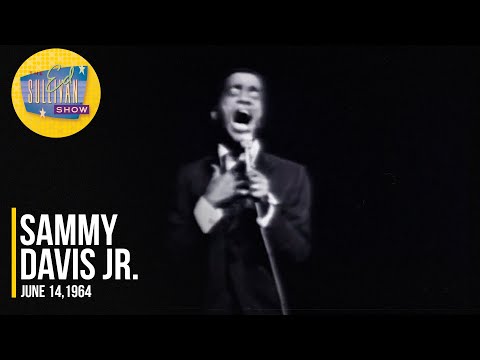
Sammy Davis Jr. was one of the most gifted and celebrated entertainers of the twentieth century, a singer, dancer and actor of remarkable versatility. He had achieved enormous success across stage, screen and recordings, beloved for his charisma and his all-around talent. Davis was a towering figure in American entertainment, admired for his extraordinary range and showmanship. This single found him stepping into more reflective territory, using his fame to deliver a message about social responsibility. It reflected his stature as an artist whose voice carried weight beyond the realm of pure entertainment.
The Sound of a Thoughtful Statement
The track moves away from pure showmanship toward a more reflective, message-driven approach. The arrangement supports a spoken and sung delivery designed to convey its thoughtful theme, with Davis bringing his considerable charisma and sincerity to the material. There is a serious, contemplative quality to the performance, a sense of an entertainer using his platform to make a meaningful point. The production frames his delivery in a way that emphasizes the message, letting the words and their meaning take center stage. It is a record with a purpose, delivered by a master communicator. The instrumentation stays restrained and supportive, never distracting from the words at the heart of the song. Every musical choice serves the message, giving Davis the space to deliver his thoughtful theme with full sincerity and weight.
A Steady Climb on the Hot 100
The single entered the Billboard Hot 100 on May 27, 1967, at number 76, and climbed steadily through the early summer. It rose to number 61, then 58, then 48, before continuing its ascent. The track ultimately peaked at number 37 on July 15, 1967, breaking into the upper portion of the chart, and it spent nine weeks on the chart in total. For a thoughtful, message-driven record, reaching the Top 40 was a meaningful achievement, confirming both Davis's broad appeal and the public's receptiveness to a song with something serious to say. A run of nine weeks on the chart showed that audiences were willing to embrace a record with substance, not merely a catchy hook, during a period when such concerns weighed heavily on the public mind.
A Reflective Entry in a Storied Career
This single occupies a distinctive place in Sammy Davis Jr.'s remarkable catalog. While he is celebrated above all for his dazzling showmanship and versatility, this record reveals his willingness to use his platform for thoughtful social commentary. It captures an entertainer recognizing the weight of his influence and choosing to address a serious theme. The song stands as evidence of Davis's depth as an artist, a reminder that beneath the dazzling performer was a man with real things to say about the world around him.
Press Play and Hear the Message
Cue this one up and listen to how Sammy Davis Jr. brings his considerable charisma to a thoughtful, reflective message. There is real sincerity in his delivery, the sound of a master entertainer using his gifts to make a meaningful point. The arrangement supports the theme, and his voice carries genuine conviction. It is a record with substance from one of the great entertainers of his era, and it still carries a thoughtful, resonant message today.
"Don't Blame The Children" — Sammy Davis Jr.'s singular moment on the 1960s charts.
02 Song Meaning
What "Don't Blame The Children" Is Really Asking
This is a song with a thoughtful social message about responsibility and the raising of children. The lyric argues that when young people go astray, the fault lies not with the children themselves but with the adults and the society that shaped them. Its meaning rests on a call for grown-ups to examine their own role in guiding and influencing the next generation.
The Theme of Adult Responsibility
At its heart the song is about accountability. The central message is that adults bear responsibility for how children turn out. Rather than condemning young people for their failings, the song turns the lens back on the grown-ups who raise and influence them. There is real moral weight to that argument, a challenge to look honestly at the example set by adults and society. The song insists that children are shaped by the world around them, and that the responsibility for guiding them rests with their elders.
A Plea for Self-Examination
The meaning carries a call for reflection. The song asks adults to examine their own conduct and the example they set. It suggests that before blaming the young, society should consider whether it has provided proper guidance, love and direction. This is a message of self-examination rather than finger-pointing, an invitation to take responsibility rather than deflect it. The song treats the raising of children as a shared duty, one that requires honesty and accountability from the adults who hold the power to shape young lives.
A Message for Its Moment
The meaning resonated against the backdrop of its time. The song spoke to a moment of real generational tension and social change in America. As the gap between young people and their elders widened, questions about how to guide the next generation grew urgent. The song addressed those concerns directly, offering a thoughtful perspective on a pressing social issue. Its message carried particular weight in a period when many were anxious about the direction of youth and society.
Why It Resonated With Listeners
The song connected because its message was both thoughtful and timely. Audiences responded to its serious, compassionate take on a real social concern. Delivered by a beloved and respected entertainer, the message carried genuine authority and sincerity. The song offered a perspective that many found meaningful, a reminder of the responsibility adults bear toward the young. That thoughtful, compassionate approach to a serious theme is what gave the song its resonance.
A Thoughtful Call for Responsibility
The lasting meaning of the song is its compassionate plea for adult accountability. It argues that the failings of the young reflect the failings of the society that shaped them, calling on grown-ups to examine their own example. That thoughtful, timeless message, delivered with sincerity by a master entertainer, is what gives the song its weight. It reminds listeners that guiding the next generation is a shared responsibility, one that begins with honest self-examination.
→ More from Sammy Davis Jr.
View all Sammy Davis Jr. hits →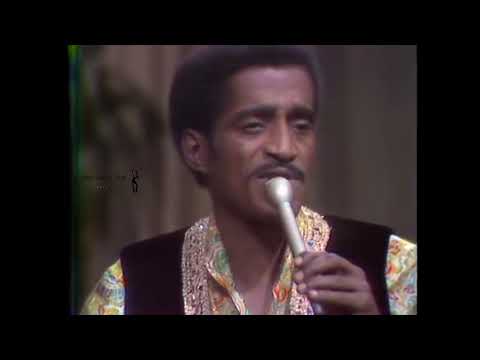
→ More from the 1960s File
View all 1960s hits →




Keep digging