The 1960s File Feature
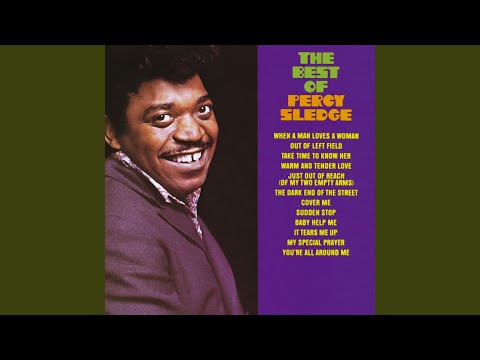
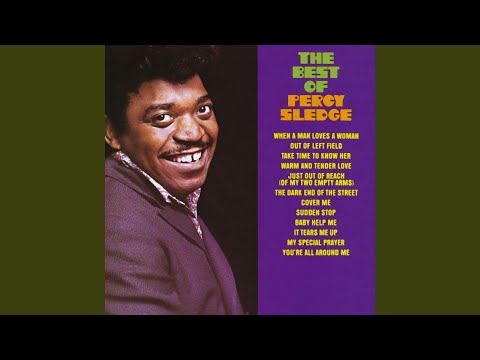
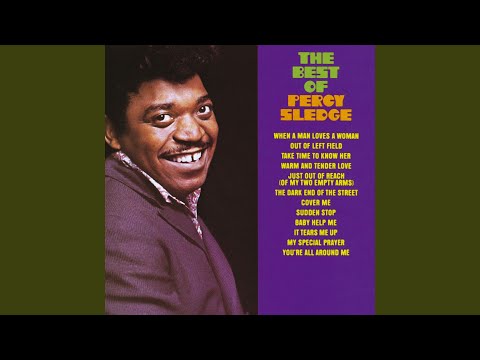
It Tears Me Up
"It Tears Me Up" — Percy Sledge and the Anatomy of Soul Heartbreak After the Miracle, the Long Game Think about what it means to follow a record like When a …
01 The Story
"It Tears Me Up" — Percy Sledge and the Anatomy of Soul Heartbreak
After the Miracle, the Long Game
Think about what it means to follow a record like When a Man Loves a Woman. That song, released by Percy Sledge in the spring of 1966, climbed to number one on the Billboard Hot 100 and became one of the defining soul recordings of the decade — one of those rare pieces of music so complete in its emotional statement that anything coming afterward would inevitably exist in its shadow. Percy Sledge understood that shadow intimately, and his response was not to run from it but to lean into the same emotional territory, trusting that the audience he had found was hungry for more of the same depth and sincerity.
It Tears Me Up was the follow-up campaign that demonstrated whether the breakthrough had real roots. Sledge was a young man from Leighton, Alabama, who had come to recording almost accidentally, a nurse's aide who sang in his spare time before being discovered and brought to the Fame Studios in Muscle Shoals. That studio complex, operated by Rick Hall, was rapidly becoming one of the most important recording environments in American soul music, capable of producing a sound that was simultaneously raw and polished, country-inflected and deeply Black.
Muscle Shoals Soul at Full Strength
The production of It Tears Me Up carries all the hallmarks of the Muscle Shoals approach in 1966: the rhythm section locked in deep and tight, the horns arranged to punctuate rather than dominate, and Sledge's voice given space to move through the lyric with full emotional commitment. The production values at Fame Studios during this period were exceptional, reflecting Rick Hall's insistence on getting the sonic details right even for artists still finding their commercial footing.
What distinguished Sledge as a vocalist was his willingness to let vulnerability show completely. Many soul singers of the era projected strength even while describing pain; Sledge went the other direction, allowing the ache to surface without protective armor. That quality made his recordings feel confessional in a way that some listeners found almost uncomfortable in its directness. It Tears Me Up deploys that quality throughout, building a performance that does exactly what the title promises.
Eleven Weeks and a Top-20 Peak
The chart run for It Tears Me Up confirmed that Percy Sledge was more than a one-hit phenomenon. The record entered the Billboard Hot 100 on October 22, 1966, debuting at number 92. Its climb was gradual through November as it worked through the chart, passing the 50 mark in mid-November and continuing its ascent through December. The track reached its peak position of number 20 on December 17, 1966, completing an eleven-week chart run that placed it among the more successful releases of that final stretch of the year.
The competition in the final weeks of 1966 was considerable. The pop charts were thick with music from across the genre spectrum, and a slow-building soul ballad from a relatively new artist needed sustained radio support to maintain momentum. That it reached the top 20 reflects both the quality of the record and the genuine audience appetite for this kind of unguarded emotional performance.
The Southern Soul Context
Sledge's success existed within a broader story about Southern soul music's rising profile in the mid-1960s. Atlantic Records, which released Sledge's recordings, was actively investing in the Muscle Shoals sound alongside the Stax and Volt records coming out of Memphis. Together, these labels and studios were redefining what American rhythm and blues could sound like, moving it away from the urbane polish of New York toward something earthier and more emotionally direct. It Tears Me Up belongs to that current, its rough-hewn sincerity a product of where it was made as much as who made it.
A Modest Masterwork in a Giant's Catalog
Percy Sledge would continue to record through the late 1960s and beyond, maintaining a devoted audience even as his chart presence became less consistent. His legacy rests securely on When a Man Loves a Woman, but recordings like It Tears Me Up fill in the portrait of an artist whose commitment to emotional honesty never wavered regardless of the commercial stakes. The song demonstrates what the post-breakthrough phase of a soul career could look like when an artist refused to coast, when every recording was treated as an opportunity to go as deep as the song demanded.
Play It Tears Me Up and you hear Muscle Shoals in 1966 at the height of its creative power, channeled through a vocalist who held nothing back.
"It Tears Me Up" — Percy Sledge's singular moment on the 1960s charts.
02 Song Meaning
The Meaning of "It Tears Me Up" — Grief, Vulnerability, and the Gospel of Heartbreak
Pain Made Public
There is a particular kind of courage in singing openly about devastation. It Tears Me Up is built around the experience of romantic suffering at its most acute, the moment when the reality of loss has fully arrived and there is no armor left. Percy Sledge's approach to this subject was different from many of his contemporaries in that he made no attempt to contain the feeling within conventional masculine stoicism. The lyric describes emotional collapse with a directness that would have been startling in the context of mid-1960s pop culture, which still largely expected men to project composure even in extremity.
The Gospel Inheritance
To understand why Percy Sledge sounds the way he does on this recording, it helps to understand the church. Southern soul music in the 1960s was saturated with the techniques and emotional vocabulary of gospel, the call-and-response structures, the melismatic vocal runs, the tendency to use volume and intensity as spiritual instruments. Sledge grew up within that tradition, and when he brought its techniques to secular heartbreak, he created something that felt more serious than entertainment, closer to testimony. It Tears Me Up participates in that lineage, treating the pain of romantic loss with the same gravity that gospel music brings to spiritual struggle.
The Emotional Architecture of the Record
The song is structured to mirror the experience it describes. It builds through the verses with mounting intensity, the arrangement thickening as Sledge's vocal commitment deepens. By the time the chorus arrives, the emotional temperature has risen to something approaching desperation, and Sledge performs that desperation without irony or theatrical distance. The listener is not watching someone act out suffering; the sound communicates something that feels lived-in. That quality is difficult to manufacture and impossible to teach, which is why Sledge's performances have retained their power across decades.
A Mirror for the Listener's Own Losses
Songs about heartbreak work when they give listeners language and melody for experiences they have had but could not fully articulate. It Tears Me Up performs that function with unusual efficiency. The specific details of the lyric matter less than the emotional truth it conveys, and that truth was recognizable to listeners in 1966 just as it remains recognizable now. The universality of romantic grief means the song never dates in the way that songs tied to specific social or political moments tend to date. Heartbreak is not a period phenomenon, and recordings that capture it with sufficient authenticity belong permanently to the catalog of human experience.
Sledge's Place in the Soul Canon
In assessing Percy Sledge's artistic legacy, it is important to resist the temptation to treat him as a one-song artist whose other work merely surrounds a single masterpiece. It Tears Me Up demonstrates that his gifts extended beyond any single recording, that his particular combination of vocal power and emotional transparency could generate compelling music across multiple releases. The song is a reminder that the soul canon of the 1960s is deeper than its most famous titles suggest, populated with recordings that deserve the same careful attention given to the records that defined the era's canonical hierarchy.
→ More from Percy Sledge
View all Percy Sledge hits →
→ More from the 1960s File
View all 1960s hits →




Keep digging