The 1960s File Feature
Security
Security by Otis Redding There is a particular kind of electricity that crackles through the early recordings of a future legend, the sound of a young artist…
01 The Story
"Security" by Otis Redding
There is a particular kind of electricity that crackles through the early recordings of a future legend, the sound of a young artist whose raw talent has not yet been fully recognized by the wider world. In 1964, Otis Redding was exactly that kind of artist: a singer of overwhelming power and feeling, beginning to build the body of work that would one day make him an icon of soul music. This early single captured him in full, sweaty, joyous flight, a glimpse of the genius that was still gathering momentum.
A Soul Giant in the Making
By the time of this recording, Redding had signed with the Memphis-based label that would become the cradle of Southern soul, working alongside the house band whose tight, punchy sound defined an entire genre. He was still establishing himself, several years away from the crossover fame that would arrive late in the decade. His gift was already evident to anyone who heard him: a voice that could move from tender pleading to explosive intensity, charged with an emotional honesty that few singers could match. He was learning his craft in real time, and records like this one show an artist rapidly coming into his enormous powers.
The Memphis Sound in Motion
This uptempo number is a showcase for the driving, horn-powered style that the Memphis soul scene perfected. The recording was made for the Stax label, home to the muscular, danceable soul that contrasted with the smoother productions coming out of other cities. The arrangement pushes forward with urgent energy, the horns stabbing and the rhythm section locked into an irresistible groove. Redding rides the track with characteristic abandon, his vocal full of grit and joy. It is the sound of a singer and a band feeding off each other's energy, the kind of performance that translated directly from the stage to the studio.
A Brief Chart Appearance
On the national pop chart, the single made only the faintest of marks, reflecting how far Redding still had to go before mainstream audiences caught up with him. It appeared on the Billboard Hot 100 at number 97 on May 23, 1964, and that single week was the entirety of its run on the chart, with the song reaching its peak position of number 97 in that lone appearance. Those numbers say nothing about the quality of the record and everything about the slow, hard climb a soul singer faced in breaking through to the pop mainstream in that era. Redding's real breakthrough was still a few years away.
A Foundation Stone of a Legend
The modest chart showing belies the song's importance within Redding's story and within soul music more broadly. It stands as an early example of the explosive, deeply felt performances that would soon make him one of the most revered figures in popular music before his tragic early death. The video has gathered around 1.7 million YouTube views, a sign that listeners continue to seek out even his lesser-known early work. For anyone tracing the rise of a soul giant, this single is an essential and thrilling early chapter.
The Stax Engine Room
To understand a record like this, it helps to picture the environment that produced it. The Memphis studio where Redding worked was a place of extraordinary creative chemistry, where a racially integrated house band developed a tight, intuitive sound through endless hours of playing together. That band could lock into a groove and hold it with a precision that felt loose and human rather than mechanical, and their interplay gave Stax records their distinctive punch. Redding thrived in that setting, feeding off the energy of musicians who could follow his every impulse. The recording captures that symbiosis, the sound of a singer and a band pushing each other toward something greater than either could achieve alone. It is a snapshot of one of the great creative partnerships in American music just as it was finding its full strength, and the joy of that discovery is audible in every bar.
Press Play
Drop the needle and feel the raw energy of a future legend in full flight. Even at this early stage, the power and joy in his voice are undeniable, and they pull you straight onto the dance floor.
"Security" — Otis Redding's singular moment on the 1960s charts.
02 Song Meaning
The Meaning Behind "Security"
For all its driving, danceable energy, this is a song with a heartfelt emotional core. Beneath the joyful momentum runs a sincere plea about what truly matters in love. The narrator makes clear that he wants something deeper than money or material comfort from his partner. What he craves is security, the steady reassurance of being truly loved and cared for, and the song builds its whole exuberant case around that simple, universal need.
Love Over Material Wealth
The central message is a values statement dressed up as a dance number. The narrator insists that security in love means more to him than money or possessions, rejecting the idea that material things can substitute for genuine emotional connection. It is a surprisingly tender sentiment to find at the heart of such an upbeat track, and that contrast gives the song its depth. The plea is for something money cannot buy, the felt sense of being safe and cherished in another person's care.
The Need to Be Cared For
At its emotional center, the song expresses a longing for steady devotion. The narrator wants to know he is loved and protected, that his partner will be there for him through whatever comes. This desire for reassurance is one of the most fundamental of human needs, and Redding channels it with total conviction. The song frames love not as a fleeting thrill but as a source of stability, a refuge that provides the security the title names.
Joy as the Vehicle
What makes the song special is how it delivers this earnest message through pure exuberance. The driving rhythm and joyful delivery transform a plea into a celebration, suggesting that the security being sought is itself a source of happiness. Redding does not beg mournfully; he asks with the full-throated energy of a man who believes in the love he is describing. The sound carries the sentiment, making the emotional appeal feel like an invitation to dance.
Why It Resonates
The song connects because its message is so honest and so widely shared. Everyone understands the desire for love that feels secure and dependable, and the lyric voices that wish with disarming directness. Combined with one of soul music's most thrilling vocal performances, the sentiment lands with real force. It reminds listeners that the deepest human craving is not for wealth but for the assurance of being loved.
A Statement of Priorities
Part of what makes the song feel so genuine is that it reads almost like a personal manifesto. In an era when popular music often celebrated wealth and status, here was a song insisting that those things meant nothing compared to being truly loved. The narrator is not poor or bitter; he simply knows what he values, and he states it without hesitation. That clarity of purpose gives the song a quiet integrity beneath all its dance-floor energy. It suggests a worldview in which the richest person is the one who feels secure in love, a sentiment that cuts against a great deal of the materialism that has always run through popular culture. Redding delivers that message not as a sermon but as a celebration, which makes it land all the more powerfully.
In the end, the song works because it weds a sincere emotional plea to irresistible energy, proving that a dance record can carry real feeling. It is soul music doing what it does best, moving the body and the heart at once.
→ More from Otis Redding
View all Otis Redding hits →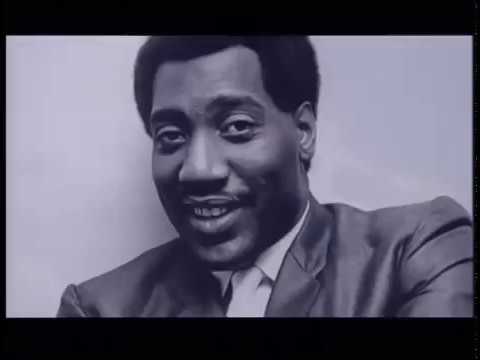

→ More from the 1960s File
View all 1960s hits →




Keep digging