The 1960s File Feature
Pain In My Heart
Pain In My Heart — Otis Redding (1963) "Pain In My Heart" was the debut single that introduced Otis Redding to a national audience, released in late 1963 on …
01 The Story
Pain In My Heart — Otis Redding (1963)
"Pain In My Heart" was the debut single that introduced Otis Redding to a national audience, released in late 1963 on the Volt Records label, a subsidiary of Stax Records based in Memphis, Tennessee. The song arrived at a critical juncture in American soul music's development, when the Memphis sound was beginning to assert itself as a distinct and formidable alternative to the polished Detroit approach being perfected simultaneously at Motown. Redding, barely twenty-two years old at the time of the recording, delivered a performance of such raw emotional intensity that it immediately set him apart from his contemporaries.
The recording session took place at the legendary Stax Studio at 926 East McLemore Avenue in Memphis, a converted movie theater that had become one of the most productive studios in American popular music. The house band that would come to be known as Booker T. and the MGs provided the instrumental foundation, with the Memphis Horns adding the brassy punctuation that would become one of the signatures of the Stax sound. The combination of those session musicians with Redding's untamed vocal approach created something genuinely new in soul music: a sound that felt rooted in gospel and blues but was reaching toward something more urgent and personal.
The song itself was derived from the Allen Toussaint composition "Ruler of My Heart," which had been recorded by Irma Thomas for Minit Records in New Orleans earlier that year. Redding and the Stax team adapted the material and recontextualized it within the Memphis soul framework, a practice common in the era where songs circulated rapidly between regional scenes and artists. The result was substantially different in feel from the Irma Thomas original, with Redding pushing the anguish of the narrator's emotional pain to a far more theatrical pitch.
"Pain In My Heart" reached number sixty-one on the Billboard Hot 100 upon its initial release, a modest national chart placement that nonetheless represented a meaningful achievement for a new artist on an independent Southern label with limited promotional resources. On the R&B charts, the song performed considerably better, reflecting the demographic realities of how soul music was distributed and promoted in 1963. The R&B audience embraced Redding quickly and enthusiastically, recognizing in his voice something that connected to the deepest wells of African American musical tradition even while pointing toward something new.
The song's release came in the same month as the assassination of President John F. Kennedy, a traumatic cultural rupture that made the emotional raw material of "Pain In My Heart" feel, in retrospect, almost eerily appropriate to the national mood. Soul music in the mid-1960s would increasingly become a vehicle for processing both personal and collective pain, and Redding's debut single, with its unfiltered vocal expression of anguish and loss, was ahead of that curve.
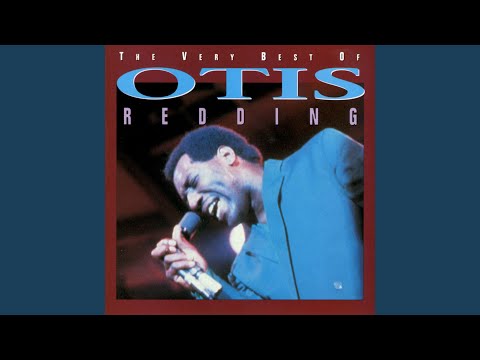
An album of the same name followed in 1964, also released on Volt, collecting Redding's early singles alongside additional material. The album helped solidify his reputation as one of the most compelling live and studio performers in soul music, even before his commercial peak in the mid-to-late 1960s. The production on both the single and the album, overseen in part by Steve Cropper, the guitarist and creative linchpin of the MGs, emphasized the grit and spontaneity of Redding's performances rather than smoothing them out for crossover palatability.
In the broader sweep of Redding's catalog, "Pain In My Heart" occupies the foundational position. It established the emotional template that he would refine over the following five years: the impassioned plea, the gospel-inflected vocal runs, the sense that the performer is not so much singing a song as living through an experience in real time. That approach, carried forward through classics like "Try a Little Tenderness" and "Respect," began right here, in a Memphis studio in 1963, with a young singer from Macon, Georgia, who seemed constitutionally incapable of performing at anything less than full emotional commitment.
The song was later included on numerous retrospective compilations of the Stax-Volt catalog, ensuring its continued availability to new generations of listeners long after Redding's tragic death in a plane crash in December 1967 at the age of twenty-six. Its place in the history of American soul music is secure, both as a debut single of unusual power and as the opening statement of one of the most remarkable careers in popular music.
02 Song Meaning
What "Pain In My Heart" Means
"Pain In My Heart" establishes its emotional premise with total directness: the narrator is suffering because of the absence of someone he loves, and that suffering is presented not as background mood but as the entire foreground of experience. The song refuses the emotional understatement that characterizes certain strands of pop music and instead insists that love's pain is a physical and overwhelming fact, something that cannot be managed or intellectualized but only endured and expressed at full volume.
For Otis Redding, the song was not merely a debut single but an immediate declaration of artistic identity. His vocal performance transforms what might have been a straightforward hurt-lover's lament into something closer to testimony. The southern gospel tradition from which Redding emerged treated emotional expression as a form of truth-telling, and that philosophy runs through every phrase of "Pain In My Heart." The singer does not perform sadness; he enacts it, with a physical immediacy that makes the listener feel the weight of the narrator's loss.
The theme of abandonment sits at the song's center. The narrator has been left, and the departure of the person he loves has created an absence so total that it registers as physical pain. This is a familiar country-blues trope, but Redding brings to it a quality of vulnerability that distinguishes his treatment from the stoic resignation typical of the blues tradition. His narrator is not resigned; he is actively, urgently reaching out, as though the act of singing the song might somehow reverse the separation.
Within the landscape of early 1960s soul music, this kind of unguarded emotional transparency carried significant cultural weight. The African American musical tradition had long used song as a space for expressing emotions that social convention discouraged in public life. The soul music of the early-to-mid 1960s inherited this function and amplified it, making the performance of genuine emotional pain a kind of shared civic act between artist and audience. Redding, from his very first recording, understood this social contract intuitively.
The song also marks the beginning of what would become one of the most consistent themes in Redding's catalog: the passionate, vulnerable man who loves deeply and suffers deeply, who is not afraid to be seen in the condition of need. This was a distinctive masculine archetype in 1963, standing in contrast both to the cool detachment of certain pop singers and to the macho stoicism of country and blues. Redding's willingness to perform emotional need openly gave his music an accessibility across gender lines that was relatively unusual for the era.
In retrospect, "Pain In My Heart" can be read as a kind of origin document for the emotional vocabulary that Redding would deploy throughout his career. The qualities that make his later recordings so enduring — the sense of raw immediacy, the gospel underpinning, the refusal of emotional distance — are all present here in their earliest form. The song set a template that Redding never fundamentally abandoned, refining and deepening it over the following five years but never departing from its core premise: that honest emotional expression, delivered without protective irony or calculation, is the highest function of popular music.
Heard today, "Pain In My Heart" sounds less like an artifact of its era than like a timeless statement about loss, longing, and the human need to externalize interior pain through the act of singing. That timelessness is the measure of what Otis Redding understood, at twenty-two years old, about the nature of his gift.
→ More from Otis Redding
View all Otis Redding hits →

→ More from the 1960s File
View all 1960s hits →




Keep digging