The 1960s File Feature
I've Got Dreams To Remember
Otis Redding's "I've Got Dreams To Remember" Extends a Posthumous Legacy By late September 1968, Otis Redding had been dead for nearly nine months, killed in…
01 The Story
Otis Redding's "I've Got Dreams To Remember" Extends a Posthumous Legacy
By late September 1968, Otis Redding had been dead for nearly nine months, killed in a plane crash in December 1967 just weeks after recording what would become his signature posthumous hit, "(Sittin' On) The Dock of the Bay." "I've Got Dreams To Remember" arrived as part of the continuing wave of previously recorded material Stax and Atlantic Records released to satisfy an audience still grieving and still eager for new Redding recordings.
A Late-September Chart Entry
The single debuted on the Billboard Hot 100 on September 28, 1968, entering at number 69. Its climb through October proved steady, reaching number 57 on October 5 and number 55 the following week, a position it held again on October 19 before continuing upward. That sustained radio interest reflected genuine ongoing demand for Redding's music even months after his passing.
A November Peak
By October 26 the song had reached number 49, continuing its climb toward an eventual peak of number 41 in November 1968. That the single continued gaining chart positions nearly a year after Redding's death spoke to the depth of his catalog and the continued emotional resonance his recordings held for an audience unwilling to simply move on from his loss.
A Song Co-Written With His Wife
The track carried a writing credit shared with Zelma Redding, the singer's wife, giving the recording an additional layer of personal significance following his death. That collaboration between husband and wife added genuine emotional weight to a song already dealing with themes of memory, loss, and lingering connection, themes that took on unavoidable new resonance once the song was heard within the context of Redding's own untimely passing.
Seven Weeks Reflecting Enduring Devotion
The single ultimately spent seven weeks on the Hot 100, a solid run for a posthumous release competing against a rapidly evolving late-1960s soul and pop landscape. That continued chart performance reflected the deep well of goodwill and genuine artistic respect Redding had built during his relatively brief but enormously influential recording career.
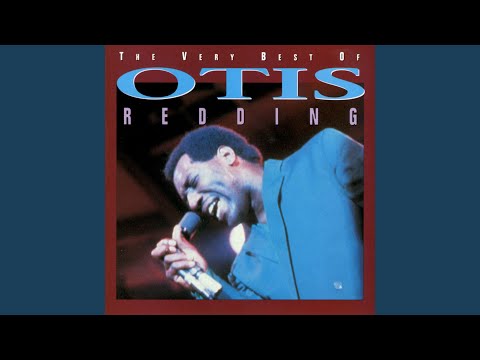
Press play, and Redding's aching, soulful delivery still carries the same emotional weight that made his catalog so enduring.
"I've Got Dreams To Remember" — Otis Redding's singular moment on the 1960s charts.
Redding's broader posthumous catalog, released steadily throughout 1968 and beyond, ensured his commercial and artistic presence remained active for years following his death, each new single reinforcing the depth and consistency of his recorded legacy.
That sustained posthumous output helped cement his reputation as one of soul music's most significant and enduringly influential voices.
A City Mourning Its Own
Redding's death was felt with particular intensity throughout Memphis and the broader Stax Records community, where he had become not just a commercial force but a genuine creative and spiritual anchor for the label's entire soul music operation throughout the mid-1960s.
That community's continued grief and devotion helped shape how each subsequent posthumous single, including this one, was received and promoted throughout 1968 and beyond.
A Catalog That Refused to Fade
Stax and Atlantic Records continued mining Redding's recorded archive for years following his death, a practice that reflected both genuine commercial demand and a broader industry recognition of just how much valuable material remained unreleased at the time of his passing.
Redding's family and label continued carefully curating his remaining unreleased material for years following this particular single's chart run.
That devotion shaped how the label approached each subsequent posthumous release.
Soul historians continue treating the recording as an essential document of that mourning period.
Music archivists cataloguing Stax's posthumous Redding releases continue treating each single individually, recognizing the genuine care that went into selecting and sequencing his remaining unreleased recordings for public release.
That careful curatorial process ensured each posthumous release maintained genuine artistic and commercial integrity throughout the following years.
02 Song Meaning
Memory and Heartbreak: The Emotional Core of "I've Got Dreams To Remember"
"I've Got Dreams To Remember" centers on a narrator holding onto memories of a love that has ended, finding both comfort and pain in recollections that refuse to fade even as the relationship itself has concluded. That tension between cherishing the past and being wounded by it gives the song its distinctive emotional complexity, avoiding simple nostalgia in favor of something considerably more bittersweet.
A Vocal Performance of Remarkable Restraint
Redding's performance throughout the track balances raw emotional power with genuine restraint, never overplaying the song's inherent sadness even as his voice conveys unmistakable ache beneath its controlled surface. That restraint reflects the mature vocal command Redding had developed across his career, trusting subtlety and phrasing over sheer volume to communicate the depth of the narrator's continued longing.
Co-Written Intimacy
Knowing the song carries a co-writing credit from Redding's own wife adds an inescapable layer of poignancy to lyrics already dealing directly with memory and loss. That personal connection between the song's authorship and its central themes deepens the listening experience considerably, suggesting genuine lived emotional territory rather than a purely fictional romantic narrative constructed for commercial purposes.
Listening After Loss
The song's release following Redding's own sudden death inevitably reshaped how audiences experienced its lyrics, transforming what may have been intended as a fairly universal breakup narrative into something that felt, for many listeners, like it was speaking directly about loss itself, about holding onto memory when the person themselves is gone.
A Testament to Soul Music's Emotional Range
Beyond its specific circumstances, the recording stands as a broader testament to soul music's capacity for genuine emotional nuance, treating heartbreak and memory with a seriousness and complexity that elevated the genre well beyond simple romantic formula. That depth remains part of why Redding's catalog continues resonating so powerfully with new generations of listeners discovering his work.
Few posthumous soul releases carried quite this much unintended, genuinely devastating emotional weight.
That emotional complexity remains central to why Redding's catalog continues to resonate so deeply with listeners decades after his passing.
A Recording That Rewards Repeated Listening
Each successive listen to the track reveals additional layers of vocal nuance in Redding's performance, small phrasing choices and dynamic shifts that continue rewarding close attention from listeners willing to move beyond a single casual hearing of the recording.
Grief Transformed Into Art
Whatever its original composition intent, the song's release following Redding's death transformed its meditation on memory into something audiences could not help but experience as a meditation on his own absence, adding unintended but genuinely powerful emotional resonance.
That transformation from simple memory song into inadvertent elegy remains one of soul music's most quietly devastating listening experiences.
That unintended resonance remains part of the recording's enduring emotional power.
Listeners today still find themselves moved by its layered emotional resonance.
→ More from Otis Redding
View all Otis Redding hits →


→ More from the 1960s File
View all 1960s hits →




Keep digging