The 1960s File Feature
Little Latin Lupe Lu
Detroit Fire: Little Latin Lupe Lu by Mitch Ryder and the Detroit Wheels Picture a sweaty Michigan dance hall in early 1966, the floorboards bouncing under s…
01 The Story
Detroit Fire: "Little Latin Lupe Lu" by Mitch Ryder and the Detroit Wheels
Picture a sweaty Michigan dance hall in early 1966, the floorboards bouncing under stomping feet, a band hammering out rhythm and blues with the kind of raw, blue-collar fury that only Detroit seemed to produce. That is the natural habitat of Mitch Ryder and the Detroit Wheels, and their charged take on Little Latin Lupe Lu captures it perfectly. This was high-octane party music, built to make a room explode, delivered by one of the most electrifying white soul shouters of the decade.
A Voice Forged in Detroit Clubs
By 1966, Mitch Ryder had already established himself as a force of nature on the Midwestern club circuit. Backed by the tight, hard-charging Detroit Wheels, he sang with a ferocious, soul-soaked intensity that owed everything to the rhythm and blues records he had grown up devouring. The group specialized in turning up the heat on existing songs, transforming them into frantic, dance-floor-ready barnburners. Their reputation was built on energy, and on a frontman who held nothing back.
Reviving a Righteous Brothers Original
Little Latin Lupe Lu had first been a hit a few years earlier for the Righteous Brothers, written by Bill Medley. In the hands of Ryder and the Wheels, the song was rebuilt into something faster and rowdier, stripped of subtlety and pumped full of adrenaline. The arrangement charges forward relentlessly, all driving beat and shouted vocals, the kind of performance that sounds like it might come apart at any second while never actually doing so. It was a perfect vehicle for the band's combustible style.
A Sprint Up the Hot 100
Audiences caught the fever immediately. The single entered the Billboard Hot 100 on March 5, 1966 at number 88, then leapt up the chart with remarkable speed, jumping to 60, then 44, then 27, then 22, before reaching its peak of number 17 on April 9, 1966. The record spent nine weeks on the chart, a strong showing that confirmed Ryder's growing national profile. The rapid climb mirrored the song itself: fast, furious, and impossible to ignore.
Blue-Eyed Soul and the Detroit Sound
Ryder occupied a fascinating position in mid-1960s music as one of the era's foremost practitioners of blue-eyed soul, the term for white artists who sang Black rhythm and blues with genuine conviction. Detroit, of course, was already the home of Motown, a city saturated with soul music in its very air. Ryder absorbed that sound completely, channeling the raw energy of the rhythm and blues records he loved rather than the smoother Motown polish. His version of this song shows that influence in every shouted phrase, every driving beat. He helped prove that this music could cross racial and regional lines while losing none of its fire, and in doing so he opened doors for the harder-edged rock that would follow. The sweat and abandon of his performances became a template that countless rock and garage bands studied closely.
Part of a Remarkable Hot Streak
This single arrived during the band's most productive period, a run of hits that established them as one of the premier blue-eyed soul acts of the mid 1960s. Ryder's influence ran deep, helping bridge the gap between Black rhythm and blues and the white rock audience, and inspiring countless garage and rock bands who admired his ferocious commitment. The Detroit Wheels were a proving ground for a sound that prized sweat and abandon over polish.
Why It Still Detonates
Decades later, the recording has lost none of its punch. It is loud, fast, gloriously unhinged, and built for nothing but a good time. Mitch Ryder sings like the building is on fire and he intends to dance through the flames. Press play, clear some space, and let one of Detroit's wildest records throw the party it was always meant to throw.
"Little Latin Lupe Lu" — Mitch Ryder and the Detroit Wheels' singular moment on the 1960s charts.
02 Song Meaning
What "Little Latin Lupe Lu" Is Really About
On the page, Little Latin Lupe Lu is a simple song of desire and admiration, a young man celebrating a girl who sets his heart racing. The lyric is direct and uncomplicated, more an excited shout of attraction than a thoughtful meditation. But the real meaning of this version lives less in the words than in the sheer physical energy of the performance, which transforms a simple crush into a full-body celebration.
Pure, Unfiltered Attraction
The song's emotional engine is the rush of infatuation. It captures desire at its most immediate, the thrilling, slightly overwhelming feeling of being knocked sideways by someone. There is no agonizing, no complication, just the joyful declaration of being smitten. The girl of the title becomes a symbol of everything exciting and alive, and the singer's enthusiasm is utterly contagious.
Energy as Meaning
What truly defines this recording is its frantic intensity. The performance is the message, turning a modest love song into a release of pent-up youthful energy. The shouted vocals and breakneck tempo communicate something the lyrics alone never could: the way attraction can make your whole body feel electric. In this version, the meaning is delivered through volume and abandon as much as through any actual words.
The Spirit of the Dance Floor
The track also belongs to a wider cultural moment, the mid-1960s explosion of dance-driven rhythm and blues that brought audiences of every background onto the same floor. It exists to make people move, to dissolve self-consciousness in shared motion and noise. The song's purpose is communal joy, the kind that erupts when a packed room surrenders to a relentless beat together.
A Song Made for the Body
It is worth dwelling on how thoroughly this recording prioritizes physical sensation over thought. Everything serves momentum, from the breathless tempo to the way the vocal seems to push the band even faster. The lyric's simplicity is not a flaw but a feature; a more complicated set of words would only slow the listener down and break the spell. The song wants you out of your seat, not in your head. In that sense it belongs to the great tradition of rhythm and blues built purely for movement, where meaning is something the body understands long before the mind catches up. The infatuation in the words is really just an excuse to set the room on fire.
Why It Connected
The reason this version caught fire is that it bottled something irresistible: the wild, uncomplicated thrill of being young and alive. It bypasses the head and grabs the body, demanding movement rather than reflection. For audiences in 1966, and for anyone who hears it today, the song is an invitation to stop thinking and start dancing. Its meaning is simple and timeless: feel the rush, and let it carry you.
→ More from Mitch Ryder And The Detroit Wheels
View all Mitch Ryder And The Detroit Wheels hits →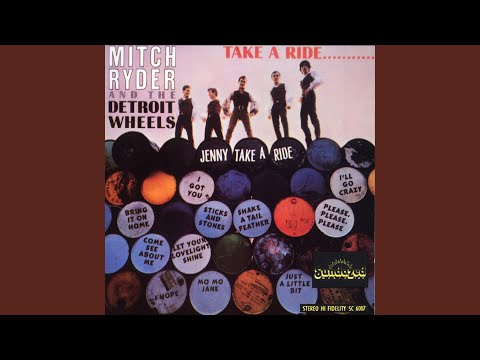
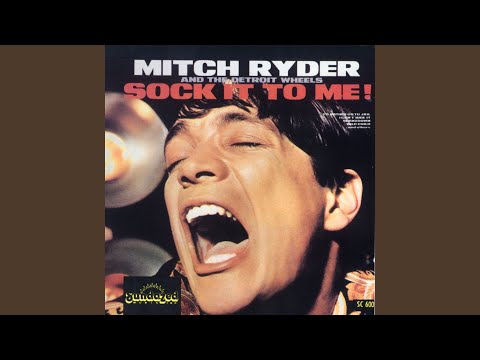
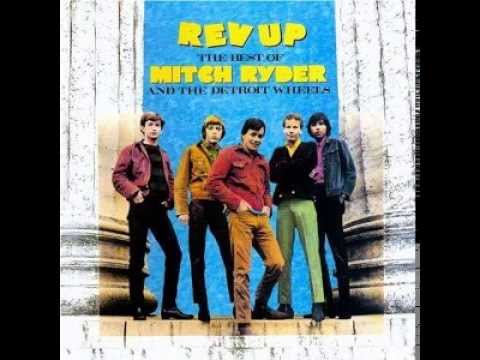
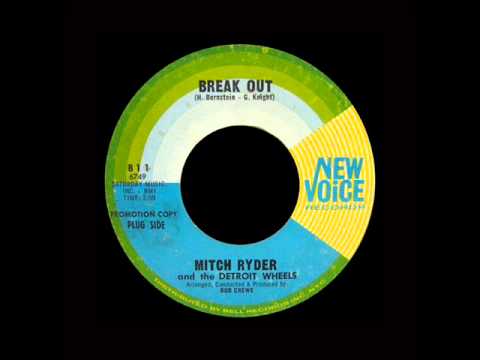
→ More from the 1960s File
View all 1960s hits →




Keep digging