The 1960s File Feature
Break Out
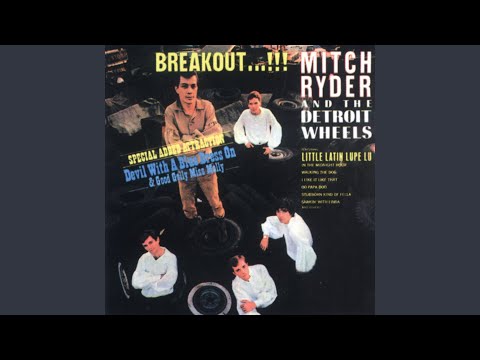
The Story Behind Mitch Ryder And The Detroit Wheels' Break Out Detroit's Rawest Rock and Roll Export By the summer of 1966, Mitch Ryder and The Detroit Wheel…
01 The Story
The Story Behind Mitch Ryder And The Detroit Wheels' "Break Out"
Detroit's Rawest Rock and Roll Export
By the summer of 1966, Mitch Ryder and The Detroit Wheels had established themselves as one of the most ferociously energetic rock and roll acts to emerge from Detroit's fertile mid-sixties music scene, blending garage rock aggression with soul and R&B influences into a sound entirely their own. This song arrived as the title track of their sophomore album, continuing the raw, high-energy formula that had already brought the group national attention on the strength of their earlier hit singles and relentless touring schedule.
A Sound Forged in Detroit's Club Circuit
Ryder's shredded, soul-inflected vocal delivery, paired with the Detroit Wheels' tight, aggressive musicianship, gave the group a sound distinct from the more polished British Invasion acts dominating much of the era's rock radio. This song showcased that same relentless energy, a driving rhythm section and Ryder's characteristically intense vocal performance combining to create something that felt genuinely dangerous compared to the smoother pop-rock competing alongside it on the charts that summer.
Building on Prior Chart Momentum
Coming after the group's earlier commercial breakthrough, this song continued their pattern of translating raw live energy into chart success, even if it never quite reached the same commercial heights as their biggest hit. The consistency of that formula, aggressive vocals over a tight, horn-accented rock and soul hybrid, gave the group a recognizable identity that distinguished them from countless other garage and blue-eyed soul acts of the period competing for attention.
A Modest but Solid Chart Run
The single debuted on the Billboard chart on May 28, 1966, entering at number 74. It climbed over the following weeks, moving to 63, holding at 63 the next week, before reaching a peak position of number 62 during the week of June 18, 1966. Altogether, the song spent five weeks on the Hot 100, a respectable if unspectacular showing for a group still riding the momentum of their earlier national breakthrough single.
Facing Fierce Competition on the 1966 Charts
The summer of 1966 presented an especially crowded and competitive chart landscape, with British Invasion acts, Motown's growing dominance, and a wave of American garage rock bands all vying for the same limited radio real estate. That competitive environment makes the song's modest but real chart placement a genuine accomplishment for a group working without the benefit of major label promotional muscle behind many of their better-funded rivals.
A Consistent Voice in a Shifting Landscape
This chart run reflects the broader trajectory of Mitch Ryder and The Detroit Wheels during this period, a talented, high-energy act that maintained a consistent presence on the charts even as musical trends around them continued to shift rapidly throughout the mid-sixties. Their willingness to stick with their signature raw sound, rather than chase passing trends, gave their catalog a coherence many contemporaries lacked entirely.
A Legacy Felt in Later Rock Movements
The raw intensity this song and its contemporaries established would echo forward into later punk and garage revival movements, with countless subsequent bands citing Mitch Ryder and The Detroit Wheels as a direct influence on their own commitment to unpolished, high-energy performance over studio perfection and radio-friendly polish.
An Essential Piece of Detroit Rock History
Today, the song stands as a compelling reminder of just how vital and distinctive Detroit's mid-sixties rock scene could be. It also reflects the city's broader musical identity, one built on grit, soul, and relentless forward motion that would go on to define the city's musical reputation for decades. Press play and you can hear exactly the kind of raw, unfiltered energy that made Mitch Ryder and The Detroit Wheels essential listening for anyone tracing rock and roll's evolution during this pivotal era.
"Break Out" — Mitch Ryder And The Detroit Wheels' singular moment on the 1960s charts.
02 Song Meaning
What "Break Out" by Mitch Ryder And The Detroit Wheels Is Really About
A Call to Escape Constraint
At its core, this track centers on the urgent desire to break free from restriction, whether that restriction takes the form of a stifling relationship, a limiting situation, or simply the accumulated frustrations of everyday life pressing in from every direction. The title itself functions as both instruction and declaration, a direct call to action delivered with the kind of unrestrained energy that defined the group's entire musical identity from the very start of their career.
Mitch Ryder's Vocal Urgency as Meaning
Mitch Ryder's raw, soul-shredded vocal delivery does as much to communicate the song's central theme of liberation as the lyrics themselves. His performance carries a genuine physical urgency, straining and pushing against the arrangement in a way that mirrors the song's thematic content, a narrator refusing to remain contained any longer, both lyrically and vocally throughout the recording.
Garage Rock's Restless Energy as Statement
The song's driving rhythm and aggressive instrumental attack embody the same restless, boundary-pushing spirit that defined much of the mid-sixties garage rock movement emerging from cities like Detroit. That musical urgency reinforces the lyrical theme directly, making the desire to break free feel less like an abstract sentiment and more like a physical, almost inevitable release of pent-up energy building throughout the track.
Soul and Rock Fused Into Pure Momentum
By blending soul music's emotional directness with rock and roll's raw aggression, the group created a sound uniquely suited to songs built around themes of escape and release. That genre fusion gave this track a propulsive momentum that mirrored its lyrical content almost perfectly, form and content reinforcing each other throughout the entire recording from its opening bars onward.
A Universal Theme Delivered With Local Grit
The desire to break free from constraint is among the most universal themes in popular music, but Ryder and the Detroit Wheels delivered it with a distinctly gritty, industrial-city intensity that set their version apart from smoother, more polished takes on similar themes coming from other regions and scenes during the same period. That regional character gave the song an authenticity that resonated strongly with listeners drawn to rock's rawer, less commercially calculated edges rather than its more radio-safe alternatives.
Why the Energy Still Feels Urgent
Even decades removed from its original release, the song's raw urgency and driving energy retain genuine power, a reminder of how effectively rock and roll could translate abstract feelings of restriction and desire into something physically visceral. That combination of theme and delivery continues to make the track a compelling entry point into Detroit's essential mid-sixties rock legacy today, still capable of surprising listeners encountering it for the very first time.
→ More from Mitch Ryder And The Detroit Wheels
View all Mitch Ryder And The Detroit Wheels hits →

→ More from the 1960s File
View all 1960s hits →




Keep digging