The 1960s File Feature
Wild One
Wild One: Martha Wild One arrived at the tail end of that landmark year, a December 1964 single that carried the group into early 1965 on the strength of mom…
01 The Story
Wild One: Martha & The Vandellas Close Out a Landmark Year
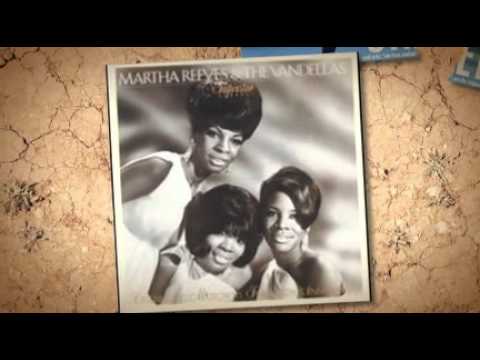
1964 had already been a genuinely extraordinary, career-defining year for Martha & The Vandellas, one anchored by a song so culturally dominant it would eventually be recognized as one of Motown's defining anthems. "Wild One" arrived at the tail end of that landmark year, a December 1964 single that carried the group into early 1965 on the strength of momentum built across twelve remarkable months of Motown's rapid ascent.
Coming Off an Anthem's Shadow
For most recording acts, that kind of shadow would prove genuinely paralyzing, an almost impossible standard to measure any subsequent single against fairly or reasonably. Martha Reeves and her group had spent 1964 establishing themselves as one of Motown's most consistently powerful vocal acts, their gritty, gospel-infused sound distinguishing them from some of the label's smoother, more pop-oriented groups working the same Detroit studios. "Wild One" followed directly on the heels of that year's biggest triumph, requiring the group to prove they could deliver quality material beyond their single most famous and culturally enduring recording.
An Energetic, Uptempo Statement
Rather than retreating into something quieter or more cautious, the group leaned directly into the same driving energy that had already made them stars. The track leans into the driving, horn-accented uptempo sound that defined much of Motown's most danceable output during this period, built around Reeves's powerful, gritty lead vocal and the tight backing harmonies that made the Vandellas such a formidable vocal unit within the label's crowded, talent-rich roster. The song's title and energy suggest untamed, confident romantic pursuit, delivered with the kind of vocal force that had already become Reeves's signature within Motown's broader stable of singers.
A Solid Chart Run Into the New Year
Landing a genuine hit during the crowded holiday radio season, when countless competing labels fight hard over the same limited airplay slots nationwide, only adds further weight to the accomplishment here. Billboard's numbers confirm real, sustained commercial success across the holiday season and into early 1965. "Wild One" debuted on the Hot 100 on December 5, 1964 at number 63, and it climbed steadily over the following weeks, reaching a peak position of number 34 during its peak week of January 9, 1965. The single spent seven weeks on the chart altogether, a genuinely solid showing that confirmed the group's ability to deliver consistent radio hits well beyond their single most iconic recording of that entire era.
Proof of Consistent Excellence
Within the broader arc of Martha & The Vandellas' career, this single demonstrates the group's reliable quality across an entire catalog rather than a single isolated triumph that towered over everything else they recorded. The Vandellas would continue delivering hits throughout the mid-1960s, cementing their place as one of Motown's essential acts even as their most famous anthem understandably continued to dominate the group's broader cultural legacy in the decades that followed.
A Catalog Deeper Than One Song
For listeners who know Martha & The Vandellas primarily through their most famous recording, this single offers a valuable reminder that the group's catalog runs considerably deeper, filled with records carrying the same gritty energy and vocal power that made them Motown essentials.
A Group Built to Last
Momentum in the record industry is fragile and easily lost, which makes what the Vandellas managed here all the more impressive in retrospect. The Vandellas' willingness to keep delivering strong, uptempo material even in the immediate wake of their signature hit reflects a professionalism and consistency that helped the group remain a genuine commercial force at Motown for years afterward, rather than a one-song footnote in the label's much larger story.
A Small Record, A Large Legacy
Small chart entries like this one, taken together across an entire career, are what actually built Motown's reputation for consistency, one dependable single at a time rather than through isolated moments of lightning striking only once.
Cue it up and hear Motown's grittiest vocal group at genuine full strength.
"Wild One" — Martha & The Vandellas's singular moment on the 1960s charts.
02 Song Meaning
The Meaning Behind "Wild One"
Not every love song wants its subject tamed, and this one makes that preference explicit from its very title onward, celebrating exactly the qualities a more conventional romantic narrative might treat as a problem to be solved. "Wild One" centers on romantic attraction to someone defined by untamed energy and unpredictability, a narrator drawn specifically to qualities that resist easy domestication or control. The title itself frames the song's subject in terms of freedom and intensity rather than stability or conventional romantic reliability.
Attraction to the Untamable
Rather than seeking security or predictability in a romantic partner, the song's narrator expresses genuine attraction to exactly the opposite qualities, someone whose wildness and unpredictability constitute the primary appeal rather than a flaw to be managed or eventually reformed. That framing distinguishes the song from more conventional romantic pursuit narratives, offering a version of desire built around excitement and challenge rather than comfort and certainty.
Martha Reeves's Vocal Power as Thematic Reinforcement
Martha Reeves's gritty, powerful vocal delivery reinforces the song's central theme directly, her voice carrying the same untamed energy the lyric describes in its subject. That alignment between vocal performance and lyrical content gives the record a coherence and conviction that a smoother, more restrained vocal approach could not have delivered nearly as effectively.
A Genre Built on Rhythmic Intensity
Motown's house band and arrangers understood exactly how to translate lyrical energy into instrumental force. The song's driving, horn-accented arrangement matches its lyrical energy precisely, refusing to soften the wildness being described into something more polished or conventionally palatable for radio. That commitment to intensity, both vocally and instrumentally, fits comfortably within the broader Motown tradition of matching arrangement to lyrical content with real precision and care.
Why Audiences Responded
Young listeners in particular found something genuinely admirable in a narrator unafraid to want exactly what she wanted, regardless of whether that particular desire fit a tidier, more conventional romantic script of the era. Listeners connected with the song's genuine celebration of untamed energy at a moment when American youth culture was itself increasingly drawn to rebellion and unpredictability as positive, even desirable, romantic and social qualities rather than problems to correct. The song's strong chart performance through the winter of 1964 into early 1965 suggests Martha & The Vandellas had tapped into something genuinely resonant with that broader cultural shift already underway.
A Fitting Coda to a Landmark Year
Closing out the group's extraordinary 1964, the song's untamed spirit feels like a fitting final statement from an act that had spent the entire year refusing to be contained by expectation, delivered by a group, Martha & The Vandellas, that never once slowed its own considerable momentum.
→ More from Martha & The Vandellas
View all Martha & The Vandellas hits →
→ More from the 1960s File
View all 1960s hits →




Keep digging