The 1960s File Feature
Dancing In The Street
Dancing In The Street by Martha The Vandellas Some records do more than top the charts; they become the sound of a season, the pulse of a moment. Dancing In …
01 The Story
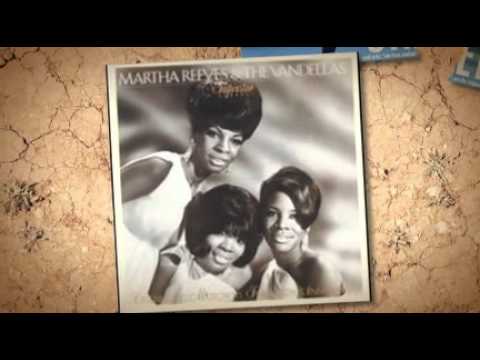
"Dancing In The Street" by Martha & The Vandellas
Some records do more than top the charts; they become the sound of a season, the pulse of a moment. "Dancing In The Street" is one of those records. When Martha & The Vandellas released it in the summer of 1964, they handed America an irresistible invitation to move, and the country took them up on it. More than half a century later, the call still echoes.
Motown at Full Stride
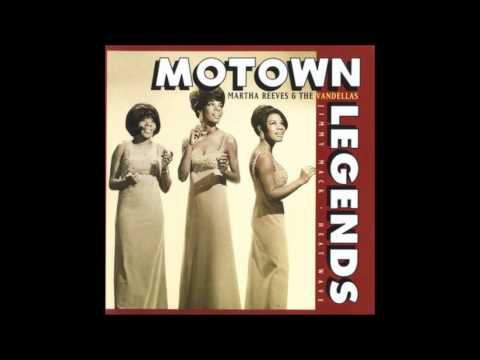
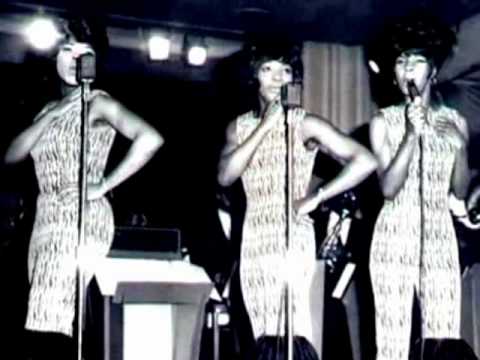
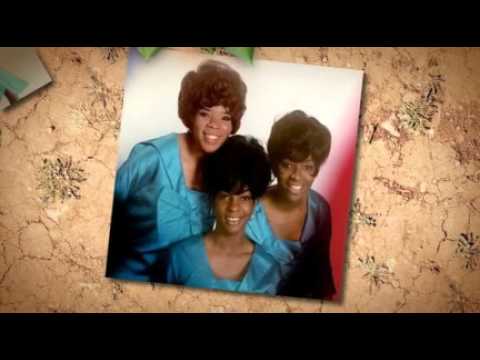
By 1964, Motown was a hit factory operating at extraordinary heights, and Martha & The Vandellas were one of its brightest assets. Led by the powerful, gospel-trained voice of Martha Reeves, the group brought a tougher, more urgent edge than some of their label mates. They had already scored memorable hits, but "Dancing In The Street" would become their signature, the song that defined them and helped define the entire Motown sound at its peak. Reeves was no demure pop singer; she sang with grit and authority, a presence that filled every inch of a record. That power gave the group a distinctive identity within the label's deep roster, and it found its perfect vehicle in this thunderous, joyous anthem built to showcase exactly what she could do.
An Anthem Built to Move
The record was co-written by Marvin Gaye, William "Mickey" Stevenson, and Ivy Jo Hunter, and from its very first moments it surges with energy. The arrangement is propulsive and joyous, built around Reeves' commanding lead and a beat that seems designed to fill streets and dance floors alike. The song calls out cities by name, turning the whole nation into one big block party. It is the rare anthem that sounds like an event the instant it begins.
A Triumphant Climb to Number 2
The chart run was a genuine smash. "Dancing In The Street" debuted on the Billboard Hot 100 on August 22, 1964, at number 68, then rocketed upward: to 42, to 32, to 25, and then a leap to number 10. It ultimately peaked at number 2 on October 17, 1964 and spent an impressive fourteen weeks on the chart. That it climbed so high so fast confirmed both the group's star power and the song's instant, universal appeal. It was inescapable that autumn.
A Permanent Place in Culture
Few songs have proven as durable. "Dancing In The Street" has been covered countless times, soundtracked films and celebrations, and entered the cultural bloodstream as shorthand for collective joy. It has been embraced as everything from a pure party anthem to, in some readings, an unintentional rallying cry for a restless generation. Whatever the interpretation, the song's vitality has never dimmed. It remains a cornerstone of the Motown legacy. Decades after its release, high-profile artists were still recording their own versions, introducing the song to new audiences and confirming its place in the permanent pop canon. That kind of staying power is rare, reserved for songs that tap into something fundamental. "Dancing In The Street" managed to be both utterly of its moment and completely timeless, a feat few records of any era achieve, and a testament to the genius of the Motown machine at its absolute height.
Press Play and Join In
Cue this one up and try to stay still; it cannot be done. From the first beat, Martha Reeves is calling you out into the street to dance, and decades of listeners have answered. This is pop music as pure, communal celebration, as fresh and irresistible as the day it arrived. The horns punch, the rhythm rolls, and Reeves delivers her invitation with a force that brooks no refusal. Press play and find out for yourself why this remains one of the most beloved songs the 1960s ever produced.
"Dancing In The Street" — Martha & The Vandellas' singular moment on the 1960s charts.
02 Song Meaning
The Meaning Behind "Dancing In The Street"
On its shining surface, "Dancing In The Street" is the simplest of invitations: a call for everyone, everywhere, to come outside and dance. Yet beneath that joyous summons lies a richer set of meanings, which is exactly why the song has inspired such varied interpretations over the years.
A Universal Invitation
At its most direct, the song is about communal celebration. It names city after city, summoning the whole country to a single shared party. The message is one of unity through joy: forget your troubles, find the nearest street, and move with your neighbors. There is something deeply democratic in the vision, a party with no velvet rope, open to anyone willing to dance.
An Anthem With a Double Life
The song arrived in a turbulent year, as the civil rights movement and urban unrest reshaped American life. Some listeners heard in its call to take to the streets something more charged than a dance invitation, an anthem of gathering and assertion for a generation demanding change. The writers and performers have generally framed it as a celebration, yet the song's open-ended energy gave it a second life as a symbol of collective action.
The Power of Collective Joy
What unites every reading is the song's belief in togetherness. Whether you hear it as a party or a movement, the underlying idea is people coming together in public, in motion, as one. That image of crowds united, whether in celebration or purpose, carries a power that transcends the literal lyrics and speaks to a basic human longing for connection. There is something almost utopian in the vision, a world where everyone, everywhere, sets aside their differences to move to the same beat. That hopeful image is part of why the song has been embraced by so many different audiences over the years.
Why It Resonates
The genius of "Dancing In The Street" is how much it holds in such a simple package. It works as a pure good-time anthem and as something deeper, depending on what the listener brings to it. That flexibility, combined with Martha Reeves' irresistible delivery, is why it has endured. Every generation finds its own reason to answer the call and step into the street. There is something about its open invitation that refuses to age. The specific dances and fashions of 1964 have come and gone, but the basic human impulse the song celebrates, the urge to gather, to move, to feel part of something larger than yourself, never fades. That is why the record keeps finding new life with each passing decade. It speaks to a joy that belongs to no single era, a feeling as old as music itself and as renewable as the next summer night.
→ More from Martha & The Vandellas
View all Martha & The Vandellas hits →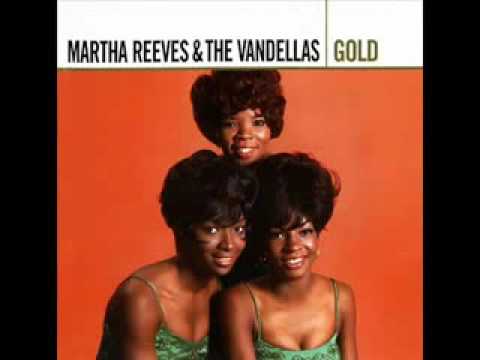
→ More from the 1960s File
View all 1960s hits →




Keep digging