The 1960s File Feature
Ride Your Pony
Lee Dorsey Saddles Up With Ride Your Pony Picture New Orleans in the summer of 1965, where the rhythm runs deep and a former boxer turned soul singer is abou…
01 The Story
Lee Dorsey Saddles Up With "Ride Your Pony"
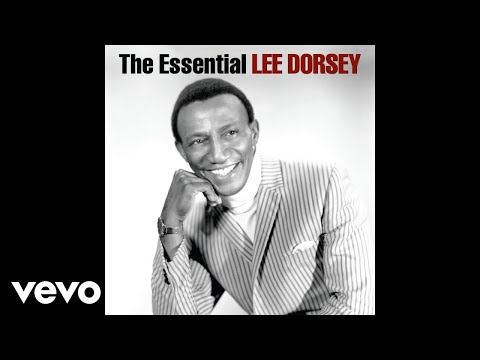
Picture New Orleans in the summer of 1965, where the rhythm runs deep and a former boxer turned soul singer is about to land one of the catchiest dance records of the year. Lee Dorsey had a warm, good-natured voice and an instinct for an irresistible hook, and he was working with some of the finest talent the Crescent City had to offer. "Ride Your Pony" trotted onto the Billboard Hot 100 with its playful dance-craze command, a feel-good slice of New Orleans R&B that put Dorsey firmly back in the spotlight.
A Singer With a Knockout Charm
Lee Dorsey came to music with an unusual backstory, having spent time as a professional boxer before turning to singing. That toughness was nowhere to be heard in his recordings, which radiated easygoing warmth and good humor. He had scored an early hit with the novelty-flavored "Ya Ya," and by 1965 he was teaming with the brilliant New Orleans songwriter and producer Allen Toussaint, whose gift for melody and groove would define the best of Dorsey's career. That partnership was about to produce a string of beloved sides.
A Dance Craze in a Bottle
"Ride Your Pony" was built around a simple, infectious conceit, inviting listeners to do a dance modeled on riding a horse. The song rode a loping, percussive New Orleans groove, full of space and bounce, the kind of rhythm that practically choreographs itself. Allen Toussaint's production gave it that unmistakable Crescent City swing, where the drums and bass lock into a relaxed strut and Dorsey's friendly vocal floats over the top. It was the perfect vehicle for his charm: light, playful, and impossible to hear without wanting to move. The mid-sixties were full of dance-craze records, and few were as effortlessly likable as this one. The song was written and produced by Allen Toussaint, the New Orleans mastermind whose fingerprints are all over its loping, joyful swing.
The Toussaint Touch
It is impossible to overstate what Allen Toussaint meant to Lee Dorsey's music. Toussaint was a songwriter, pianist, arranger, and producer of rare gifts, a man who could conjure a hit out of the simplest idea by dressing it in that inimitable New Orleans rhythm. He understood Dorsey's voice perfectly, writing songs that played to its warmth and easygoing humor rather than asking it to strain for power. The partnership between the two men produced some of the most enduring records to come out of the city in the 1960s, and "Ride Your Pony" sits near the heart of that catalog. You can hear Toussaint's genius in the way the groove breathes, in the space between the beats, in the sly economy of the whole arrangement. It was a collaboration built on mutual understanding, and it shows in every relaxed, infectious bar.
A Strong Run to Number Twenty-Eight
The single performed well on the pop chart. "Ride Your Pony" debuted at number 76 on July 3, 1965, then climbed steadily, moving to 61, then 54, then 42, then 32. It peaked at number 28 on August 14, 1965, and it logged a solid nine weeks on the Billboard Hot 100. Cracking the top thirty on the pop chart was a notable success for a New Orleans R&B record, and it confirmed that the Dorsey-Toussaint partnership had real commercial muscle. The song became one of Dorsey's signature numbers and a cornerstone of his live act.
A New Orleans Treasure
Lee Dorsey would go on to record more classics with Toussaint, including songs later cherished by funk fans and rock bands alike. "Ride Your Pony" stands as one of the high points of that fruitful run, a record that captures the joy and rhythmic genius of New Orleans music at its best. Its loose, danceable groove has kept it alive on oldies playlists and dance floors for decades, a testament to the timeless appeal of Dorsey's easygoing charisma.
Get up and give it a spin, the loping New Orleans groove that makes standing still impossible. Press play and let Lee Dorsey put a little giddyup in your step.
"Ride Your Pony" — Lee Dorsey's singular moment on the 1960s charts.
02 Song Meaning
The Meaning Behind Lee Dorsey's "Ride Your Pony"
"Ride Your Pony" belongs to that joyful family of dance-craze records where the meaning is almost entirely about the fun of moving your body. There is no hidden agenda or aching heart here, just an invitation to get on the floor and do a dance modeled on riding a horse. The song's whole purpose is to spread good feeling, and it succeeds with effortless charm.
An Invitation to Dance
The lyric, in spirit, is a friendly command to join in. Lee Dorsey calls out the steps and urges listeners to ride their pony, to giddyup and let loose. The central theme is communal, uncomplicated fun, the simple pleasure of a dance everyone can do together. There is no story to unpack, only an open door onto the dance floor.
Joy Without Complication
What makes the song so endearing is its complete lack of pretense. The emotional message is pure good-natured delight, the warmth of Dorsey's voice making you feel welcome and at ease. He sounds like he is having the time of his life, and that joy is contagious. The song asks nothing of you except a willingness to smile and move.
The New Orleans Groove
You can hear the soul of New Orleans in every loping beat. The track embodies the city's gift for turning rhythm into celebration, the relaxed, syncopated swing that makes its music so distinctive. Allen Toussaint's touch gave the song a bounce that feels both laid-back and irresistible, the essence of Crescent City cool.
The Dance-Craze Era
Arriving in 1965, the song tapped into a culture obsessed with new dance steps and the social ritual of the floor. The track reflects a moment when a clever dance and a catchy beat could become a national pastime, uniting teenagers and adults alike in shared movement. It was pop at its most participatory.
Warmth as the Real Message
Strip away the dance instructions and what remains is a feeling of pure goodwill. The song radiates Dorsey's friendly, generous personality, and that warmth is arguably its deepest meaning. He does not sing down to his audience or strike a pose; he simply opens his arms and invites everyone to have a good time. In a decade full of cooler, more guarded performers, that openheartedness stood out. The song works because you believe Dorsey is genuinely glad you showed up, and that sincerity turns a simple dance number into something quietly heartening.
Why It Endures
The meaning lasts because the joy it offers never gets old. People will always want to dance, to feel light and happy and connected, and Lee Dorsey delivered that feeling with rare warmth. The song remains a sunny, giddy reminder that sometimes the deepest meaning is simply the pleasure of moving together.
→ More from Lee Dorsey
View all Lee Dorsey hits →


→ More from the 1960s File
View all 1960s hits →




Keep digging