The 1960s File Feature
These Are Not My People
These Are Not My People by Johnny Rivers: A Hitmaker Reflects Picture the close of the 1960s, a decade of upheaval drawing toward its end, the optimism of it…
01 The Story
"These Are Not My People" by Johnny Rivers: A Hitmaker Reflects
Picture the close of the 1960s, a decade of upheaval drawing toward its end, the optimism of its early years giving way to division and doubt. Johnny Rivers, one of the most reliable hitmakers of the era, captured something of that mood in early 1969 with "These Are Not My People." The song found the versatile performer in a more reflective frame, offering a thoughtful commentary wrapped in his polished, accessible sound.
A Consistent Star of the Decade
By 1969, Johnny Rivers had built one of the most successful careers in 1960s pop. He had scored a long string of hits, ranging from energetic rock and roll covers to smooth, sophisticated pop, establishing himself as a versatile and dependable chart presence. His ability to interpret a wide range of material and deliver it with polish made him a fixture of the era's radio. "These Are Not My People" came during this established phase of his career, the work of a seasoned artist willing to explore more thoughtful, socially aware themes. The recording reflects the more reflective turn that much of popular music was taking as the turbulent decade neared its close.
A Thoughtful, Polished Recording
The song itself is a well-crafted piece of late-1960s pop, carrying a more contemplative tone than some of Rivers's earlier upbeat hits. The arrangement is polished and accessible, supporting a lyric that reflects on alienation and the feeling of not belonging. Rivers delivers it with his characteristic professionalism, his smooth voice carrying the song's thoughtful message with conviction. There is a measured, reflective quality to the whole recording, the sound of an artist engaging with the uncertain mood of the times. It is the work of a hitmaker stretching beyond pure entertainment toward something with a bit more substance. The song reflects a broader shift in popular music as the 1960s wound down, when even reliable chart performers began addressing weightier themes. Rivers approaches that more serious material without abandoning his polished accessibility, finding a balance between commentary and craft. The result feels thoughtful rather than preachy, an artist responding genuinely to the world around him.
A Moderate Run on the Hot 100
On the Billboard Hot 100, "These Are Not My People" made a moderate showing. The single debuted on February 22, 1969, at number 99 and climbed steadily, moving to 81, then 64, then 63 and on to its high point. It peaked at number 55, reached during the week of March 22, 1969, and spent a total of six weeks on the Hot 100. While it fell short of the upper reaches that some of his bigger hits had reached, a placement in the mid-chart confirmed his continued appeal. The chart run reflects how Rivers maintained his presence on radio even as he explored more thoughtful material, a sign of an artist evolving with his times.
Part of a Versatile Catalog
In the broader story of Johnny Rivers, "These Are Not My People" stands as an example of his willingness to evolve with the times and tackle more reflective themes. While it is not among his most famous recordings, it reflects the versatility and craftsmanship that defined his long career. The track endures as a snapshot of an artist engaging with the mood of a changing era, a thoughtful entry in a remarkably varied body of work. For fans of 1960s pop, it remains a rewarding and reflective listen.
Press Play and Reflect
Cue up "These Are Not My People" and revisit a more thoughtful moment from a reliable hitmaker. It captures the reflective mood of the late 1960s with polish and conviction. Turn it up and hear Johnny Rivers engaging with the times.
"These Are Not My People" — Johnny Rivers's singular moment on the 1960s charts.
02 Song Meaning
What "These Are Not My People" by Johnny Rivers Is Really About
"These Are Not My People" is a song about alienation and the search for belonging, the feeling of being surrounded by others yet not truly fitting in. It reflects a sense of disconnection from one's surroundings and a longing to find one's true place and community. Set against the turbulent backdrop of the late 1960s, the song captures a mood of questioning and unease that resonated with the era.
The Feeling of Not Belonging
At its heart, the lyric expresses a profound sense of alienation, the recognition that the people and place around the narrator do not feel like home. The central theme is disconnection, the experience of being out of step with one's surroundings. The narrator looks at those around him and concludes that he does not belong among them, voicing a longing for somewhere more authentic. That feeling of estrangement gives the song its reflective, searching quality, the sense of a person quietly questioning whether they have ended up in the wrong place among the wrong people.
Searching for a True Place
Emotionally, the song balances unease with a yearning for connection. It captures the loneliness of alienation, the discomfort of feeling like an outsider. Yet beneath that discomfort runs a hope of finding one's real community, the people and place where one truly belongs. Rivers's thoughtful delivery conveys both the unease and the longing, giving the song an emotional resonance beyond its polished surface and lending weight to its quiet sense of dislocation.
Alienation at the End of the Sixties
The song reflects the questioning, uncertain mood of the late 1960s, a time of social upheaval and generational division. Feelings of alienation ran through much of the era's culture, as many people grappled with a rapidly changing world. A song about not belonging spoke to that widespread sense of dislocation. For its audience, it gave voice to a mood many recognized in their own lives and quietly carried with them.
Why It Still Resonates
The song endures because its theme is timeless. The feeling of not belonging is a universal human experience that crosses every generation. Rivers's reflective performance gives that feeling a thoughtful, accessible voice. Decades later, it remains a relatable meditation on alienation and the enduring human search for a place to truly call home. Almost everyone has, at some point, looked around at their surroundings and felt fundamentally out of place. That sense of estrangement, and the hope of finding somewhere one truly belongs, never loses its relevance. The song gives voice to that quiet struggle with a polish and sincerity that keep it meaningful for listeners discovering it long after its original moment.
→ More from Johnny Rivers
View all Johnny Rivers hits →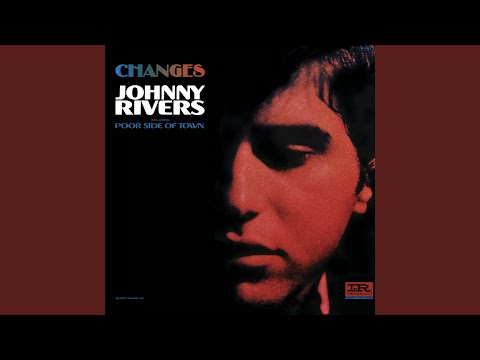

→ More from the 1960s File
View all 1960s hits →




Keep digging