The 1960s File Feature
Honky-Tonk Man
Johnny Horton's "Honky-Tonk Man" Returns to the Chart in 1962 By the spring of 1962, Johnny Horton had already been gone for more than two years, killed in a…
01 The Story
Johnny Horton's "Honky-Tonk Man" Returns to the Chart in 1962
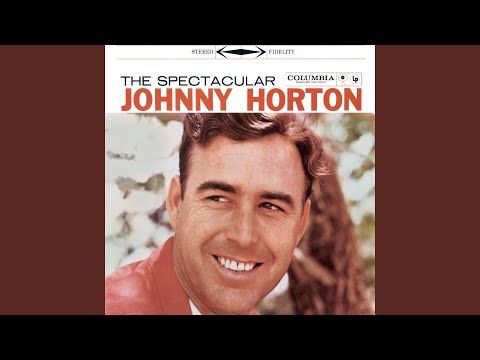
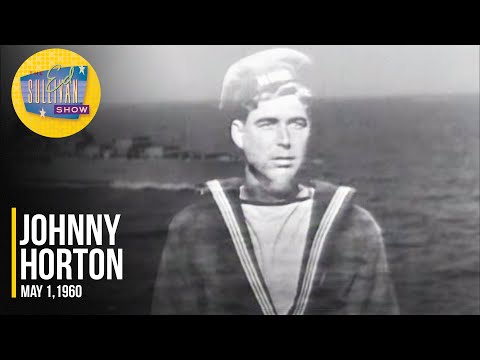
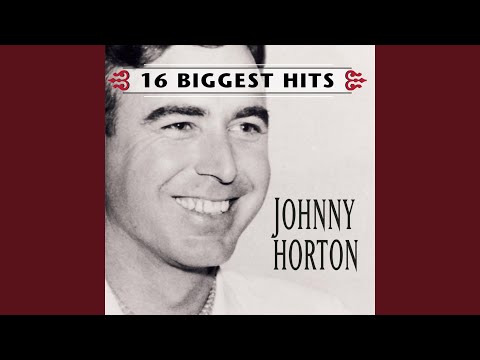
By the spring of 1962, Johnny Horton had already been gone for more than two years, killed in a car accident in November 1960 at the height of his career. Yet his catalog continued to move listeners, and "Honky-Tonk Man," a song he had originally recorded years earlier, found its way back onto the Billboard Hot 100 in a brief but notable posthumous appearance that spring.
A Brief Return, March 1962
The single entered the Hot 100 on March 31, 1962, debuting at number 96. It held that same position the following week, on April 7, before dropping from the chart entirely, giving the record a total run of just two weeks. Brief as that appearance was, it represented a genuine moment of continued commercial life for an artist whose career had been cut tragically short.
A Honky-Tonk Standard Revisited
"Honky-Tonk Man" belonged to the classic honky-tonk tradition that had defined much of Horton's earlier career before he pivoted toward the historical narrative saga songs that would eventually make him a genuine crossover star. The song's barroom setting and driving rhythm reflected the rougher, more traditional country sound that had first established his reputation within Nashville circles during the 1950s.
A Legacy Still Being Marketed
Horton's record label continued releasing and re-promoting material from his catalog well after his death, recognizing that his established audience remained eager for new exposure to previously available recordings. That posthumous chart appearance reflected the music industry's broader practice of maintaining commercial momentum for deceased artists whose back catalogs still held genuine audience appeal and continued sales potential.
A Modest But Meaningful Footnote
Though its two-week run and modest peak position made "Honky-Tonk Man" a minor footnote compared to Horton's earlier chart-topping successes, its very appearance on the Hot 100 years after his passing spoke to the lasting affection listeners retained for his music. That continued commercial relevance helped ensure his broader catalog remained available and actively promoted throughout the following years.
Press play, and the record's driving honky-tonk rhythm still carries the rougher, earlier sound that first built Horton's reputation.
"Honky-Tonk Man" — Johnny Horton's singular moment on the 1960s charts.
Horton's broader catalog, spanning honky-tonk standards and historical narrative sagas alike, ensured his posthumous commercial presence remained active for years following his death, with record labels continuing to find new audiences for previously released material.
That continued commercial activity helped cement his lasting reputation within country music history well beyond his tragically shortened lifetime.
A Career Cut Short But Never Forgotten
Horton's death in a head-on collision came just months after he had recorded some of his most successful material, and the tragedy sent shockwaves through the Nashville country music community, many of whom continued honoring his memory through tribute performances and continued radio support for years afterward.
That community's continued devotion helped ensure his catalog remained commercially active and culturally significant well beyond his actual lifetime.
Radio's Continued Embrace of a Fallen Star
Country radio programmers throughout the early 1960s continued finding reasons to spin Horton's catalog, ensuring listeners retained regular exposure to his music even as newer country stars increasingly dominated fresh chart activity during the same period.
Horton's estate and label continued actively managing his catalog for years, ensuring new listeners kept discovering his music long after 1962.
That tragic history continues to shape how historians discuss his brief but significant career.
Nashville continued celebrating his legacy through annual tribute events for years afterward.
Contemporary country radio historians studying the early 1960s continue citing his posthumous chart appearances as genuinely notable examples of how thoroughly an artist's legacy could persist commercially after death.
That persistent commercial afterlife remains a genuinely notable feature distinguishing his career from many contemporaries who faded quickly after their own passing.
That legacy remains a frequent talking point among Nashville historians discussing country music's earliest tragic losses.
02 Song Meaning
Barroom Bravado: What "Honky-Tonk Man" Really Celebrates
"Honky-Tonk Man" belongs to a well-established country tradition of songs celebrating, rather than moralizing against, the rough-and-tumble world of roadside bars and late-night carousing. Its narrator embraces his identity without apology, presenting honky-tonk life not as a cautionary tale but as a genuine source of pride and belonging within a particular working-class social world.
A Persona Rooted in Authenticity
Horton's own background within the Texas and Louisiana honky-tonk circuit gave the song's swaggering persona genuine authenticity, distinguishing it from more sanitized country-pop crossovers that softened similar themes for broader commercial palatability. The song's narrator speaks with the confidence of someone thoroughly at home in that environment, neither embarrassed by nor apologetic about his chosen lifestyle.
Community Rather Than Isolation
Rather than framing the honky-tonk as a place of loneliness or desperation, as many later country songs would do, this earlier tradition often celebrated such venues as genuine community gathering spaces, places where working people found camaraderie, music, and temporary escape from harder daily realities. That celebratory framing reflects a somewhat different cultural attitude than the more melancholy barroom songs that would become increasingly common in country music's later decades.
A Sound Built for Dancing
Musically, the song's driving rhythm was built explicitly for dancing, reflecting honky-tonk music's original functional purpose as accompaniment for real Saturday-night socializing rather than purely reflective listening. That functional quality, music meant to be danced to rather than simply contemplated, connects the recording to a broader tradition of country dance music stretching back decades before Horton's own recording career began.
A Posthumous Echo of an Earlier Era
Hearing the song return to the charts after Horton's death gave its already nostalgic subject matter an additional layer of poignancy, a voice from an artist no longer present still celebrating a specific, vividly rendered slice of working-class American social life that continued resonating with listeners years after his passing.
Few honky-tonk recordings captured that specific communal, unapologetic spirit with quite this much genuine conviction.
That celebratory, unapologetic tone remains part of what continues to distinguish classic honky-tonk songwriting from later, more melancholy country traditions.
A Sound Rooted in Real Places
The song's honky-tonk setting reflects genuine lived experience within Southern and Southwestern working-class communities, grounding its celebratory tone in specific, recognizable social spaces rather than abstract or generic romantic imagery common elsewhere in period country songwriting.
A Tradition That Predates the Song Itself
The honky-tonk celebratory tradition that this recording exemplifies stretches back decades before Horton's own career began, connecting the song to a much older lineage of American working-class musical expression centered on communal gathering and celebration.
That grounded authenticity remains central to understanding honky-tonk music's genuine cultural and emotional significance.
That grounded quality gives the song lasting resonance beyond simple nostalgia.
Modern country fans continue appreciating its unpretentious celebratory spirit.
→ More from Johnny Horton
View all Johnny Horton hits →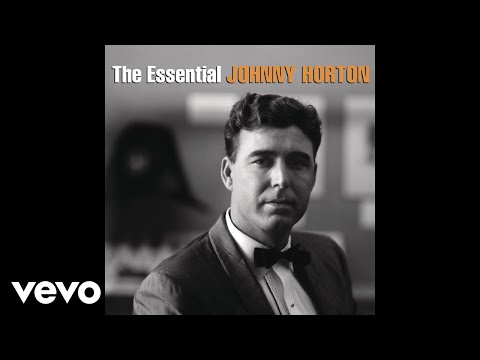

→ More from the 1960s File
View all 1960s hits →




Keep digging