The 1960s File Feature
Sink The Bismark
The Historical Drama of Sink The Bismark by Johnny Horton Travel back to the spring of 1960, when a particular brand of dramatic storytelling ruled the pop c…
01 The Story
The Historical Drama of "Sink The Bismark" by Johnny Horton
Travel back to the spring of 1960, when a particular brand of dramatic storytelling ruled the pop charts and a singer could turn a chapter of history into a rousing hit. Johnny Horton had already proven himself a master of the form, and "Sink The Bismark" was another of his vivid musical history lessons, a stirring saga of naval warfare delivered with momentum and conviction.
The King of the Saga Song
By 1960 Johnny Horton was riding high as one of the era's most successful purveyors of the historical narrative song. He had scored an enormous hit not long before with another tale drawn from history, establishing himself as the go-to voice for dramatic, event-driven storytelling in music. Johnny Horton had become famous for turning historical events into chart hits, a niche he commanded with real flair. "Sink The Bismark" continued that winning streak, applying his proven formula to a famous episode of the Second World War.
The song drew on the dramatic real-life pursuit and destruction of a notorious German battleship, material rich with tension and heroism that suited Horton's style perfectly.
A Driving, Cinematic Sound
Musically, the song is built for forward motion. A propulsive rhythm and a sense of mounting urgency carry the listener through the unfolding drama, with Horton's confident, robust voice narrating the action. The arrangement evokes the chase and the battle, marching steadily toward its climactic conclusion. It is storytelling set to a beat, the kind of vivid, cinematic record that made history feel immediate and exciting to a wide pop audience.
That ability to make a dramatic event come alive in song was Horton's great gift, and it is on full display here. He understood how to pace a narrative, building tension and releasing it, treating a three-minute pop record like a miniature epic. The song moves with purpose toward its conclusion, never lingering, always pressing forward toward the dramatic payoff that the title promises.
The Golden Age of the Saga Song
The late 1950s and early 1960s saw a real vogue for narrative songs that drew on history, folklore, and adventure. These saga songs offered listeners drama and education in equal measure, packaging stories of courage and conflict into catchy, accessible records. Horton stood at the forefront of this storytelling tradition, one of its most commercially successful practitioners. "Sink The Bismark" arrived at the height of that trend, capitalizing on a public appetite for dramatic, event-driven music. The song's success confirmed that audiences were eager for exactly this kind of vivid historical storytelling set to a driving beat.
A Strong Run on the Hot 100
The single performed impressively on the national chart. "Sink The Bismark" debuted on the Billboard Hot 100 on March 7, 1960, at number 69. It then shot upward with remarkable speed, leaping to 30, then 28, then 14, then 6 over the following weeks. The song reached its peak of number 3 during the chart week of April 25, 1960, a major hit by any measure. In total it spent 18 weeks on the Hot 100, a long and successful run that confirmed Horton's standing as a hitmaker.
A Poignant Place in History
The song carries an added weight of poignancy, as Johnny Horton's life was tragically cut short in a car accident in November 1960, only months after this hit. That makes his run of successes that year feel especially precious. The track has gathered more than 368,000 views on YouTube, where it endures as a fine example of the historical saga song and of a distinctive talent gone too soon.
Press play and you are swept into the drama of the chase, narrated by one of the great storytellers of early-1960s pop.
"Sink The Bismark" — Johnny Horton's singular moment on the 1960s charts.
02 Song Meaning
What "Sink The Bismark" Really Means
"Sink The Bismark" is a song about heroism, determination, and the drama of historical conflict, a musical retelling of a famous naval pursuit. Its meaning lies in how it transforms history into stirring, accessible storytelling.
History as Drama
At its core, the song takes a real and significant event and shapes it into a tale of tension and triumph. The central theme is the drama of a determined pursuit, the relentless effort to track down and defeat a formidable foe. By focusing on action and resolve, the song turns a complex chapter of history into a clear, exciting narrative that any listener could follow and feel.
Courage and Resolve
The song celebrates the determination of those who carried out the mission, framing their effort as a story of grit and purpose. The emotional message honors persistence in the face of a daunting challenge, the refusal to give up until the task is done. That spirit of resolve gives the song its rousing, inspiring quality and its forward-driving energy.
Making the Past Feel Present
Part of the song's achievement is how it brings a historical event vividly to life. Rather than treating history as distant or academic, it makes the drama immediate and emotionally engaging. The song renders the past as living, breathing storytelling, inviting listeners to feel the tension as though it were unfolding before them. That immediacy was the secret to the saga song's appeal.
A Reflection of Its Time
In 1960, narrative songs about history and adventure enjoyed real popularity, feeding an audience that loved a good story set to music. The song reflects that appetite, as well as a postwar interest in tales of wartime courage. It fit a cultural moment that embraced dramatic, larger-than-life storytelling in its popular music.
Spectacle and Scale
The song deals in grand scale, depicting a confrontation of enormous stakes and dramatic proportions. The appeal lies partly in the sheer spectacle of the events described, the clash of mighty forces and the high drama of the pursuit. That sense of scale gave the song a cinematic quality, allowing listeners to imagine vast and thrilling action through the music alone. The grandeur of the subject matched the boldness of Horton's delivery.
Why It Connected
The song resonated because it combined a gripping story with a driving, memorable sound. Listeners were drawn in by the drama and carried along by the momentum, getting both entertainment and a sense of history in a single satisfying package. That winning combination is why the song became a major hit and why it remains a standout example of its storytelling tradition, a vivid reminder of an age when pop music doubled as adventure.
→ More from Johnny Horton
View all Johnny Horton hits →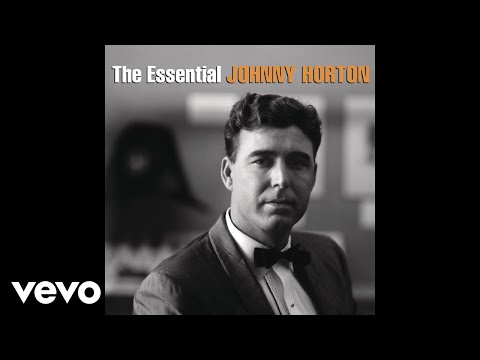



→ More from the 1960s File
View all 1960s hits →




Keep digging