The 1960s File Feature
Since You Showed Me How To Be Happy
The Story Behind Since You Showed Me How To Be Happy by Jackie Wilson By late 1967, Jackie Wilson had already spent over a decade proving himself one of the …
01 The Story
The Story Behind "Since You Showed Me How To Be Happy" by Jackie Wilson
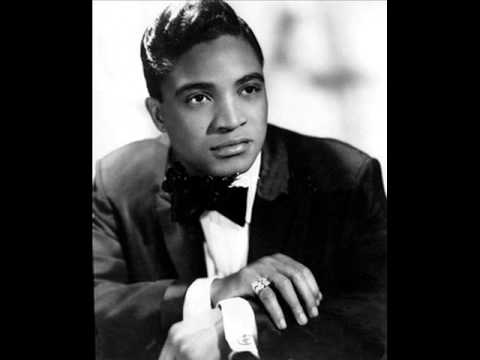
By late 1967, Jackie Wilson had already spent over a decade proving himself one of the most electrifying vocalists in American music, and "Since You Showed Me How To Be Happy" arrived as another entry in a career built on remarkable vocal range and consistent chart presence through soul's golden years.
Mr. Excitement's Continued Run
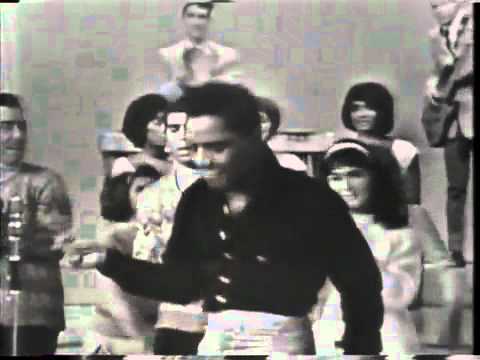
Jackie Wilson, nicknamed "Mr. Excitement" for his acrobatic stage presence and operatic vocal range, had been charting singles since the late 1950s, moving fluidly between pop, R&B, and soul as musical trends shifted around him. By the time this single arrived in late 1967, Wilson remained a reliable commercial force even as younger Motown and Stax artists increasingly dominated soul radio.
A Polished, Uptempo Soul Sound
The track showcases the smooth, horn-driven soul production style that defined much of Wilson's mid-to-late-1960s output, giving his powerful tenor room to soar over a bright, optimistic arrangement. The song's celebratory tone, built around gratitude for a transformed emotional state, suited Wilson's dynamic vocal instrument particularly well, allowing him to move between tender restraint and full-throated release within a single performance.
A Genuine Top-40 Hit
The single debuted on the Billboard Hot 100 on November 25, 1967, at number 72, then climbed steadily through 58 and 46, before reaching its peak of number 32 on December 23, 1967, over a solid run of six weeks on the chart. That top-40 finish reflected Wilson's continued reliability as a hitmaker even as the soul landscape around him rapidly evolved. Wilson recorded for Brunswick Records throughout this stretch of his career, working with arrangers who understood how to frame his voice within lush, horn-heavy productions that gave him room to demonstrate his full dynamic range on record after record. Wilson's stage reputation, built on gymnastic spins, splits, and dramatic falls to his knees mid-performance, had made him one of the most electrifying live performers of his generation, a physicality that recording alone could never fully capture but that colored how audiences heard his voice on record.
A Legendary Live Performer on Record
That reputation for live spectacle meant listeners often brought an added sense of anticipation to Wilson's studio recordings, imagining the physical performance behind the voice even when experiencing the song purely through radio or a record player at home. Wilson continued charting singles into the early 1970s, remaining a fixture on both pop and R&B radio even as musical tastes shifted dramatically around him, a testament to the sheer durability of his vocal talent.
A Steady Hand in a Changing Genre
"Since You Showed Me How To Be Happy" may not rank among Wilson's most celebrated singles, but its chart performance reinforces his remarkable consistency across nearly two decades of recording. Give it a listen and hear one of soul's most gifted voices still finding new ways to move an audience.
"Since You Showed Me How To Be Happy" — Jackie Wilson's singular moment on the 1960s charts.
02 Song Meaning
The Meaning Behind "Since You Showed Me How To Be Happy"
"Since You Showed Me How To Be Happy" is a song of gratitude, its narrator crediting a partner with fundamentally transforming his emotional outlook rather than merely improving his mood temporarily.
Happiness as Something Learned
The title's framing is notable: happiness here is presented not as an innate state but as something the narrator had to be taught, implying a life before this relationship marked by genuine emotional struggle. That structure gives the song's gratitude real weight rather than treating it as casual romantic flattery.
Wilson's Vocal Range as Emotional Mirror
Jackie Wilson's extraordinary vocal range, capable of moving from a tender croon to a soaring, near-operatic peak, mirrors the song's own emotional arc, tracing a path from quiet appreciation to full celebratory release. That vocal journey embodies the transformation the lyric describes.
Soul Music's Testimonial Tradition
The song's structure echoes the testimonial tradition common in gospel and soul music, where a singer publicly credits a transformative force, in gospel typically faith, here a romantic partner, for a fundamental shift in personal wellbeing. That borrowed structure lends the secular love song an almost devotional intensity.
Vulnerability Behind the Celebration
Beneath its joyful surface, the song implicitly acknowledges vulnerability: admitting one needed to be shown how to be happy requires a degree of honesty about prior unhappiness that many romantic songs of the era avoided in favor of pure celebration. The lyric's directness, crediting one specific person with an entire emotional transformation, also reflects the personal, confessional intimacy that soul music increasingly favored over the more generalized romantic language of earlier pop songwriting traditions. The song's bright, horn-driven arrangement further reinforces that sense of arrival, using musical brightness as a direct sonic analog for the emotional clarity the lyric describes. The specificity of crediting one person, rather than describing happiness in vague, generalized terms, also makes the sentiment feel earned and personal rather than a stock romantic platitude recycled from countless similar songs.
Why the Song Resonated
Listeners responded to that combination of vulnerability and celebration, delivered through one of the era's most technically gifted voices, finding in Wilson's performance both the specific joy of new love and the universal relief of finally feeling understood.
→ More from Jackie Wilson
View all Jackie Wilson hits →

→ More from the 1960s File
View all 1960s hits →




Keep digging