The 1950s File Feature
Lonely Teardrops
Jackie Wilson's Lonely Teardrops Step back to the close of 1958, when rock and roll was still young, raw, and electrifying, and a generation of Black vocalis…
01 The Story
Jackie Wilson's "Lonely Teardrops"
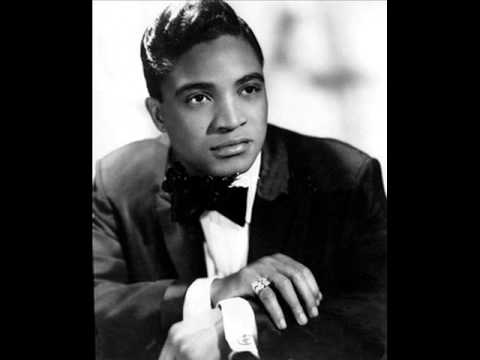
Step back to the close of 1958, when rock and roll was still young, raw, and electrifying, and a generation of Black vocalists was busy building the bridge between gospel fire and pop crossover. On any given night, the most thrilling performer in America might well have been Jackie Wilson, a dynamo of a singer with an operatic range, a dancer's grace, and a voice that could soar from a whisper to a wail in a single breath. With "Lonely Teardrops," Wilson delivered the song that would define his early stardom and announce a major new talent to the world.
A Performer Like No Other
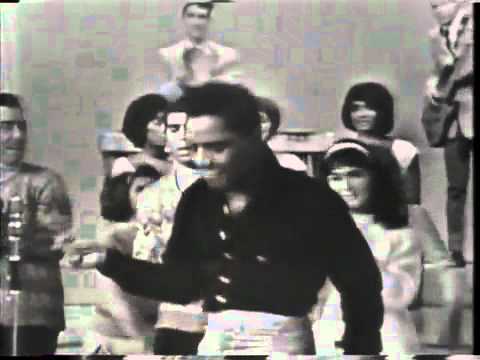
Wilson was a force of nature on stage, nicknamed "Mr. Excitement" for his electrifying showmanship. He had cut his teeth replacing Clyde McPhatter in Billy Ward and his Dominoes before striking out on his own, and by 1958 he was building a solo career on the strength of an instrument few could match. His vocal athleticism, the way he could leap octaves and bend a note for pure emotional effect, set a standard that would influence generations of singers, including a young Michael Jackson decades later.
A Song From A Future Mogul
"Lonely Teardrops" carries an extraordinary footnote in music history. It was co-written by Berry Gordy, the songwriter who would soon channel his earnings and ambitions into founding Motown Records, the most important Black-owned music institution of the twentieth century. The success of songs like this one for Wilson helped give Gordy the confidence and capital to launch his empire. The track thus sits at a pivotal crossroads, the work of a man about to change American music forever, sung by one of its most gifted voices.
A Top-Ten Triumph
The song became Wilson's signature early hit and a major chart success. "Lonely Teardrops" climbed the Billboard pop chart through the winter, reaching its peak position of number 7 and spending 13 weeks on the chart as it captured audiences across the country. On the rhythm and blues chart it performed even more dominantly, becoming one of the defining R&B records of its moment. Its peak week landed in early 1959, capping a triumphant run that established Wilson as a genuine star. The numbers confirmed what live audiences already knew.
A Bridge To The Motown Sound
The connection to Berry Gordy gives the record an outsized place in music history. The money Gordy earned from writing hits for Wilson, along with the lessons he absorbed about crafting commercial yet soulful pop, fed directly into the creation of Motown. In that sense, "Lonely Teardrops" sits at the headwaters of one of the most important musical movements of the century. The blend of gospel feeling and pop accessibility that Wilson embodied here would soon become the blueprint for the Detroit hit factory that changed American music. You can hear the future of Motown taking shape in the song's joyful, churchy energy.
An Enduring Influence
The legacy of "Lonely Teardrops" stretches far beyond its chart run. The song became a soul and R&B standard, covered and referenced for decades, and Wilson's performance remains a master class in vocal drama and control. His influence rippled forward through the history of soul and pop, his technique studied by singers who came after. Tragically, Wilson's later years were marked by hardship and a devastating onstage collapse, which only deepened the poignancy of a catalog built on such joyful, athletic exuberance.
Press Play And Hear A Master At Work
Cue this one up and marvel at the sheer command of the voice. Wilson turns heartbreak into something almost jubilant, his soaring delivery making sorrow sound like flight. It is a thrilling document of a singular talent at the dawn of soul. Press play and hear why they called Jackie Wilson Mr. Excitement.
"Lonely Teardrops" — Jackie Wilson's singular moment on the 1950s charts.
02 Song Meaning
The Meaning Behind Jackie Wilson's "Lonely Teardrops"
At its core, "Lonely Teardrops" is a song of heartbreak and longing, the cry of a man pleading for his lost love to return. Yet what makes the song so remarkable is the gulf between its sorrowful words and its exuberant, almost joyful delivery. The lyrics speak of pain and isolation, but Wilson sings them with such soaring vitality that the song becomes a strange and beautiful celebration of feeling itself.
A Plea Across The Distance
The lyric is built around yearning. The narrator is alone, weeping over a love that has gone, and he calls out for that person to come back and end his loneliness. It is a direct, unguarded expression of romantic desperation, the kind of naked emotional appeal that defined so much of the era's popular music. The simplicity of the sentiment is part of its power; it speaks a feeling everyone recognizes.
Joy And Sorrow In One Voice
The genius of the recording lies in its emotional complexity. Wilson takes a lyric of pure heartbreak and delivers it with a buoyant, gospel-charged energy that seems to defy the sadness of the words. This tension creates something richer than simple melancholy. It suggests that even in pain there is a kind of aliveness, that to feel heartbreak so intensely is also to feel fully human. The voice transforms grief into something almost transcendent.
Gospel Roots In A Pop Song
The song draws deeply on the traditions of Black gospel music, with its call-and-response energy and its sense of emotional release. In bringing that fervor to a secular love song, Wilson helped forge the template for soul music itself. The meaning of the song is therefore partly historical: it captures the moment when the spiritual intensity of the church flowed into the heartbreak of popular romance, creating a powerful new emotional language.
Heartbreak Made Universal
The genius of the lyric is its plainness. It does not bury its grief in clever wordplay or elaborate metaphor; it states the simple, devastating fact of loneliness and the wish for a lost love to return. That directness is what lets the song belong to everyone who hears it. There is no specific story to keep listeners at a distance, only the bare emotion itself, sung so powerfully that it becomes the listener's own. Anyone who has ever cried over someone who walked away can step straight into the feeling the song describes.
Why It Still Moves Listeners
The song endures because it captures a profound truth about human feeling. The blend of sorrow and exhilaration mirrors the way grief and vitality can coexist within a single heart. Wilson's transcendent vocal performance turns private pain into a shared, almost communal release. That alchemy of heartbreak into something uplifting is the deepest meaning of the record. Listeners return to it not merely to mourn but to feel everything at once, which is precisely what the greatest soul music has always offered.
→ More from Jackie Wilson
View all Jackie Wilson hits →
→ More from the 1950s File
View all 1950s hits →


Keep digging