The 1960s File Feature
I Get The Sweetest Feeling
Jackie Wilson Radiates Joy on I Get The Sweetest Feeling Summer 1968 found soul music in full flower, with artists across the genre pushing toward bigger arr…
01 The Story
Jackie Wilson Radiates Joy on "I Get The Sweetest Feeling"
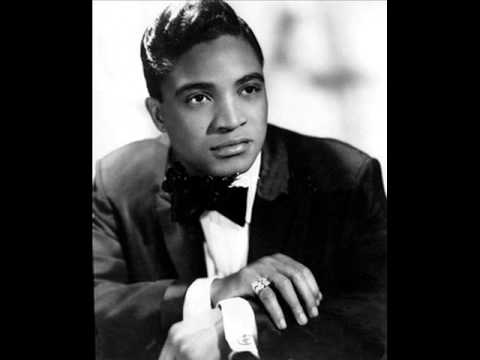
Summer 1968 found soul music in full flower, with artists across the genre pushing toward bigger arrangements, sharper horns, and increasingly sophisticated vocal showmanship. Jackie Wilson, already a veteran presence with more than a decade of hits behind him, delivered "I Get The Sweetest Feeling" that July, a euphoric, horn-driven celebration of romantic joy that would become one of the defining singles of his later career.
A Soul Pioneer Still Delivering
By 1968, Wilson had already been recording for well over a decade, having emerged from Detroit's rhythm and blues scene as one of the era's most acrobatic, technically gifted vocalists, often cited as a direct influence on Motown's entire house style. This single found him working with producer Carl Davis in Chicago, a partnership that had already yielded several successful records and that leaned into a bigger, brassier sound than some of Wilson's earlier, more pop-leaning hits from the start of the decade. That continued productivity confirmed his staying power in an increasingly crowded and competitive soul marketplace.
Horns, Harmony, and Pure Exuberance
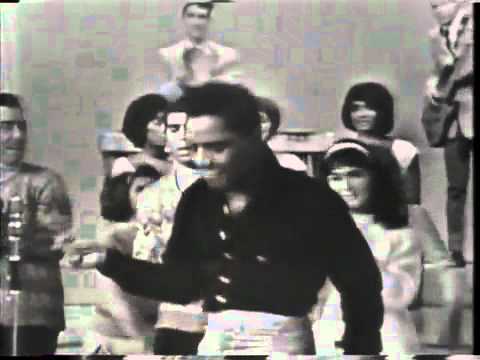
The track leans into a full, celebratory horn arrangement paired with lush backing vocals, giving the song an almost gospel-scaled sense of joy that distinguished it from more restrained soul ballads of the period. Wilson's vocal, agile and powerful even a decade into his recording career, soars through the arrangement with genuine exuberance, showcasing the technical control and emotional generosity that had made him a favorite among fellow vocalists and audiences alike throughout his long career.
A Genuine Late-Career Hit
The single debuted on the Billboard Hot 100 on July 20, 1968 at number 90, and climbed steadily and rapidly over the following weeks, cracking the sixties within a month. It eventually reached its peak of number 34 on September 7, 1968, ultimately spending eight weeks on the chart altogether. That strong, sustained climb, arriving well over a decade into Wilson's recording career, confirmed he remained a genuine commercial force even as younger soul acts increasingly competed for the same radio space.
A Late-Career Highlight in a Storied Legacy
"I Get The Sweetest Feeling" stands today as one of the most beloved entries in Wilson's extensive catalog, a joyful, life-affirming record that captures a veteran performer still operating at the height of his powers. The song's enduring popularity, including its later use in film and its continued presence on soul radio, speaks to the timelessness of its arrangement and the sheer generosity of Wilson's performance, a fitting testament to an artist whose influence on soul and pop vocalists extended well beyond his own chart statistics. It is a detail that still stands out to close listeners of the era. That kind of steady momentum rarely happens by accident on a crowded chart. Radio programmers of the period paid close attention to exactly that sort of week-over-week movement. It says something about the competitive landscape the song was navigating at the time. Few records manage that without real, accumulating listener demand behind them. It is a detail that still stands out to close listeners of the era. That kind of steady momentum rarely happens by accident on a crowded chart. Radio programmers of the period paid close attention to exactly that sort of week-over-week movement. It says something about the competitive landscape the song was navigating at the time. Few records manage that without real, accumulating listener demand behind them. It is a detail that still stands out to close listeners of the era. That kind of steady momentum rarely happens by accident on a crowded chart.
Press play and let that horn section lift you the same way it lifted radio audiences in the summer of 1968. It remains a small but telling detail for anyone tracing the full arc of that chart season.
"I Get The Sweetest Feeling" — Jackie Wilson's singular moment on the 1960s charts.
02 Song Meaning
The Pure Joy Inside Jackie Wilson's "I Get The Sweetest Feeling"
Some soul records wrestle with heartbreak and longing; others simply celebrate. "I Get The Sweetest Feeling" belongs firmly to the second category, an unguarded, exuberant expression of romantic happiness rendered with full gospel-scaled joy.
Happiness as the Entire Subject
The song's central theme is refreshingly direct: the simple, overwhelming feeling of being genuinely happy in love, described without complication or ambivalence. That directness gives the lyric an almost childlike sincerity, refusing the more common soul convention of pairing joy with an undercurrent of anxiety about its impermanence. It is happiness stated plainly and celebrated fully, without the usual hedge against future heartbreak that colors so much romantic songwriting of the era.
Vocal Performance as Pure Celebration
Wilson's vocal delivery does not just describe joy, it performs it, using his considerable technical range to physically embody the euphoria the lyric describes throughout every verse and chorus. That performance choice transforms the song from a simple statement into a genuine emotional experience for the listener, letting the sheer vocal generosity of the delivery carry as much meaning as the words themselves ever could on the page.
A Counterpoint to Soul's Heavier Themes
1968 was a turbulent year in American life, and much of the era's soul music carried real social and political weight alongside its romantic content. A song this purely joyful offered listeners something different: an uncomplicated celebration of personal happiness, a brief respite that did not ask anything difficult of its audience beyond simply feeling good for a few minutes.
Why the Joy Still Resonates
The song endures because unguarded happiness, expressed this fully and this skillfully, remains genuinely rare in popular music of any era. Listeners return to it precisely because it asks nothing complicated of them, offering pure, communicable joy delivered by one of soul music's most technically gifted vocalists, and that generosity of spirit is exactly why the record still radiates warmth decades after it first climbed the chart. That reading holds up the more closely the lyric is examined. It is a small choice, but it shapes how the whole song lands emotionally. Framed that way, the song feels less like a period piece and more like a lasting statement. Later listeners keep rediscovering that same emotional core for themselves. The plainness of that idea is exactly what gives it staying power. It is a quiet strength that rewards patient, repeated listening. That emotional throughline is easy to miss on a first casual listen. That reading holds up the more closely the lyric is examined. It is a small choice, but it shapes how the whole song lands emotionally. Framed that way, the song feels less like a period piece and more like a lasting statement. Later listeners keep rediscovering that same emotional core for themselves.
→ More from Jackie Wilson
View all Jackie Wilson hits →

→ More from the 1960s File
View all 1960s hits →




Keep digging