The 1960s File Feature
A Woman, A Lover, A Friend
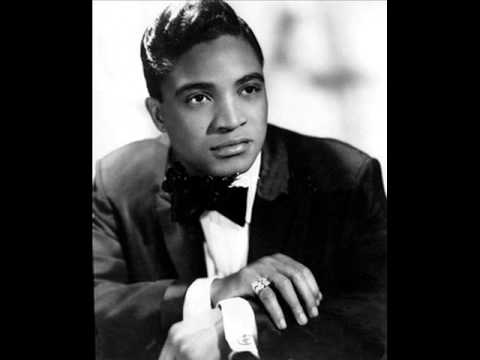
A Woman, A Lover, A Friend — Jackie Wilson (1960) Jackie Wilson occupied a singular position in American popular music at the dawn of the 1960s. Already cele…
01 The Story
A Woman, A Lover, A Friend — Jackie Wilson (1960)
Jackie Wilson occupied a singular position in American popular music at the dawn of the 1960s. Already celebrated for his electrifying stage presence and a voice capable of moving between gospel fervor and silk-smooth balladry, Wilson had established himself as one of Brunswick Records' most commercially reliable artists following his departure from Billy Ward and the Dominoes. Released in 1960 on Brunswick Records, "A Woman, A Lover, A Friend" arrived at a moment when the rhythm-and-blues and pop markets were beginning to converge in ways that would define the decade ahead.
The song was written by Jackie Wilson himself alongside songwriter friend Alonzo Tucker, a guitarist who had been a close musical collaborator since Wilson's earliest solo years. Tucker's involvement brought a particular warmth to the arrangement, blending the smooth orchestral sensibilities popular with Black pop audiences at the time with a rhythmic underpinning rooted in R&B tradition. The result was a record that felt both lush and grounded, accessible to a broad audience without sacrificing emotional depth.
Wilson's voice on the recording is a study in controlled dynamism. He moves through the verses with a tenderness that builds naturally toward the more impassioned choruses, never overselling the emotion yet leaving no doubt about the sincerity at the song's core. The production, characteristic of the Brunswick approach during this era, layered string sections over a steady rhythm track, giving the record a pop sheen that made it palatable for radio programmers who might otherwise have been reluctant to push R&B material onto mainstream playlists.
The record charted on both the Billboard Hot 100 and the R&B charts, demonstrating Wilson's ability to straddle pop and soul audiences with ease. This crossover achievement was not incidental; it reflected a deliberate strategy by Brunswick to position Wilson as an artist capable of reaching the widest possible audience. At a time when the industry was still navigating the cultural and commercial tensions between Black musical traditions and the mainstream pop market, Wilson's chart performance on both formats represented a genuine commercial and cultural breakthrough.
The broader context of Wilson's career at this moment is essential to understanding the record's significance. Between 1957 and 1960, he had already scored a succession of hits including "Reet Petite," "To Be Loved," "That's Why (I Love You So)," and "Lonely Teardrops," the last of which reached the top of the R&B chart and crossed into the pop top five. "A Woman, A Lover, A Friend" extended this run and confirmed that Wilson's commercial momentum was no accident but the product of genuine artistic range and a careful selection of material.
Live performance was as important to Wilson's identity as any recording. He was widely regarded as one of the most physically expressive performers of his generation, capable of moving audiences with a combination of vocal acrobatics and choreographic invention that would later influence performers including James Brown and Michael Jackson. His recordings, including this one, served partly as calling cards for the concert experience, documents of a voice and presence that demanded to be witnessed in person.
The song's production values also reflect the transitional state of American popular music in 1960. The arrangement sits between the big-band influences of 1950s pop and the leaner, more guitar-driven sounds that would come to dominate as the decade progressed. This positioning may have limited the record's longevity in some respects, but it also gave it an immediacy suited to the radio landscape of its moment, when listeners responded to lush, full-bodied productions that foregrounded the singer as the central emotional presence.
Within Wilson's catalog, "A Woman, A Lover, A Friend" belongs to the prolific early period that established his commercial identity before his work became more experimental and, arguably, more artistically ambitious. Wilson's Brunswick recordings between 1957 and the mid-1960s form a body of work that charted the development of soul music as it grew out of gospel and R&B into a distinct commercial genre with its own conventions and expectations. This particular record is a representative example of Wilson at his most confident and commercially attuned, delivering a performance that met the expectations of his audience while showcasing the technical gifts that set him apart from his contemporaries.
The cultural footprint of the song extends beyond its initial chart performance. Wilson's recordings from this period have been reissued multiple times and continue to attract listeners interested in the roots of soul music. His influence on subsequent generations of performers means that records like this one are heard not merely as historical artifacts but as living contributions to an ongoing tradition. The combination of orchestral pop production and gospel-inflected vocal performance that defines "A Woman, A Lover, A Friend" would echo through decades of American popular music.
02 Song Meaning
Meaning and Themes: A Woman, A Lover, A Friend
At its core, "A Woman, A Lover, A Friend" is an expression of romantic devotion that moves beyond simple infatuation to describe a relationship of genuine depth and completeness. Jackie Wilson's performance makes clear that the object of the song's affection is not merely a romantic partner but a full human presence, someone who fulfills multiple emotional roles simultaneously. The title itself functions as a kind of list, a taxonomy of intimacy that implies the singer has found in one person everything he might otherwise seek in many.
This framing was both emotionally resonant and commercially shrewd. Songs about romantic completeness had a long history in American popular music, but Wilson's version carried a particular weight because of how he delivered the sentiment. Rather than presenting the lyric as a simple declaration, he layered it with the kind of vocal nuance that communicated genuine feeling, making the listener believe that the relationship described was one of real consequence rather than a convenient pop construct.
The song's emotional register sits comfortably in the tradition of Black romantic balladry that had developed through the 1940s and 1950s, in which male singers addressed female partners with a combination of respect, desire, and emotional vulnerability that was relatively rare in mainstream popular music of the era. Wilson belonged to a lineage that included Billy Eckstine and Sam Cooke, artists who understood that genuine vulnerability could be a source of power rather than weakness.
The lyrical structure of the song builds from the particular to the universal. Wilson describes specific qualities of the relationship before arriving at the larger claim that this woman represents everything he needs. This movement from detail to declaration gives the song an emotional arc that rewards repeated listening, because each verse adds texture to the final statement of devotion.
Within Wilson's catalog, the song represents his gift for combining emotional sincerity with technical vocal brilliance. He was capable of showmanship that could easily tip into excess, but on this record he exercises a discipline that serves the material. Every ornament and flourish is in service of the lyric rather than the performer's ego, which is perhaps why the song has retained its emotional accessibility over decades.
The theme of the beloved as a multi-dimensional presence, simultaneously romantic partner, intellectual companion, and friend, anticipated the discourse around partnership and equality that would become more explicit in popular culture as the 1960s progressed. Wilson was not a political artist in the conventional sense, but the relational model implied by this song, one based on mutual recognition and multiple forms of connection, carried a quiet dignity that resonated with audiences navigating their own intimate lives.
The record also reflects Wilson's understanding of his audience, predominantly Black listeners who responded to music that honored the emotional complexity of their lived experience while also producing the kind of polished, radio-ready sound that could cross into mainstream pop charts. The song achieved both of these goals, which explains its enduring place in discussions of early 1960s soul and pop.
In the broader landscape of American popular song, "A Woman, A Lover, A Friend" stands as an early example of the form that would define soul music through the 1960s: orchestral arrangements supporting vocal performances of genuine emotional commitment, addressing romantic subjects with a seriousness and depth that elevated the genre. For Wilson personally, the song was one of many demonstrations that he was capable of inhabiting a lyric fully, bringing to each recording not just technical skill but something that felt like lived experience.
→ More from Jackie Wilson
View all Jackie Wilson hits →


→ More from the 1960s File
View all 1960s hits →




Keep digging