The 1960s File Feature
Princess In Rags
Gene Pitney and "Princess In Rags": A Dramatic Pop Single in the Autumn of 1965 "Princess In Rags" by Gene Pitney debuted on the Billboard Hot 100 on Novembe…
01 The Story
Gene Pitney and "Princess In Rags": A Dramatic Pop Single in the Autumn of 1965
"Princess In Rags" by Gene Pitney debuted on the Billboard Hot 100 on November 20, 1965, entering at number 82. The single then climbed steadily over the following weeks: to number 64, then 52, then 44, then 40, reaching its peak of number 37 during the week of December 25, 1965. The single spent eight weeks on the chart in total, a solid showing for a recording released during the competitive final months of a year in which the American singles chart was dominated by British Invasion acts alongside the continuing commercial power of the domestic soul and pop mainstream.
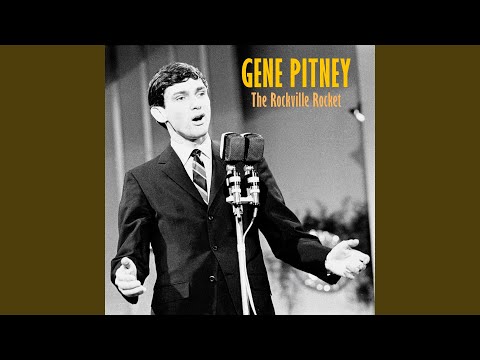
Gene Pitney occupied a distinctive position in American popular music during the mid-1960s. He had established himself as a songwriter of considerable skill before achieving success as a performer: his compositions "Hello Mary Lou" (recorded by Ricky Nelson in 1961) and "He's a Rebel" (recorded by The Crystals in 1962) were substantial hits that demonstrated his understanding of commercial pop songwriting. As a performer, Pitney was associated with a dramatic, emotionally intense vocal style that drew on the theatrical tradition of early 1960s teen-idol pop while incorporating a sophistication of phrasing and interpretation that set him apart from more straightforward commercial acts of the era.
Aaron Schroeder was one of the producers associated with Pitney's recordings during this period, and the production style of "Princess In Rags" reflected the kind of elaborate orchestral pop that characterized the most commercially ambitious records of the mid-1960s. Pitney had a long-standing relationship with Musicor Records, an independent label that specialized in his kind of pop-dramatic material and that maintained the promotional infrastructure necessary to secure Hot 100 chart placements for his releases. The label's investment in orchestral arrangements and high-production-value recordings was consistent with Pitney's artistic identity as a performer who demanded musical settings commensurate with the emotional intensity of his vocal performances.
The title "Princess In Rags" invoked the classic narrative tension of high birth and low circumstance, a theme with roots in fairy tale and folk narrative that had been adapted for popular song in numerous forms. The image of a princess who has lost her social position carries a particular emotional resonance because it combines the appeal of aristocratic romantic idealization with the pathos of poverty and degradation, a combination that was well-suited to the dramatic pop style that Pitney had made his commercial signature. The narrative of the song invited listeners to engage with a story that operated in the heightened emotional register of melodrama, which was entirely consistent with the expectations that Pitney's fan base brought to his recordings.
By late 1965, the American singles market was in a complex transitional state. The British Invasion groups continued to dominate the upper reaches of the Hot 100, and the emergence of Bob Dylan's influence was beginning to shift expectations about the lyrical content of commercial pop. The Motown machine was producing a consistent stream of top-ten hits, and the California sound associated with the Beach Boys and their contemporaries maintained a strong commercial presence. Within this competitive environment, Pitney's dramatic pop style represented one of several continuing strands of the pre-British-Invasion American pop tradition, now competing for chart space against a much wider range of styles than had existed at the beginning of the decade.
Pitney had also developed a significant commercial presence in the United Kingdom and Europe during this period, a fact that distinguished him from many American acts who struggled to maintain transatlantic relevance after the British Invasion. His tours of the United Kingdom had built him a devoted following there, and his association with the Rolling Stones, who recorded his composition "That Girl Belongs to Yesterday" in 1964, gave him credibility within the British rock community. This international dimension of his career provided commercial stability that supported his continued domestic American chart activity.
The chart peak of number 37 for "Princess In Rags" represented a respectable but not spectacular commercial performance, placing the single solidly within the second tier of the Hot 100 rather than the upper reaches where Pitney's biggest hits had resided. His earlier successes, including "Town Without Pity" (number 13 in 1961), "The Man Who Shot Liberty Valance" (number 4 in 1962), and "It Hurts to Be in Love" (number 7 in 1964), demonstrated the commercial ceiling of which he was capable. "Princess In Rags" confirmed his continued Hot 100 presence through the mid-decade period while suggesting that the commercial landscape was becoming more challenging for the ornate pop-dramatic style that he had pioneered.
02 Song Meaning
Nobility and Ruin: The Romantic Vision of "Princess In Rags"
"Princess In Rags" by Gene Pitney, released in late 1965, belongs to a strand of mid-1960s pop that drew on fairy tale and melodramatic narrative conventions to explore themes of romantic idealization, social inequality, and the persistence of inner worth in the face of outward degradation. The central image of the song, a princess who has been reduced to a condition of poverty or social disrepute, is one of the oldest and most persistent narrative figures in Western popular storytelling, appearing in folk tales, romantic novels, and theatrical melodrama across centuries before being adapted for the commercial pop song format.
The appeal of this narrative archetype lies in its capacity to hold two apparently contradictory qualities in tension simultaneously. A princess is, by definition, a figure of elevated social status, beauty, and romantic desirability; someone in rags occupies the opposite end of the social spectrum, defined by poverty, marginalization, and social invisibility. The combination creates a character whose inner nature, her "princess" quality, persists beneath circumstances that would normally render her socially invisible. This combination was particularly suited to Pitney's dramatic performance style, which specialized in songs that required the navigation of large emotional distances within a single composition.
The song participates in a broader tradition of pop and country songs that locate authentic worth in characters who have been judged harshly by conventional social standards. This tradition draws on deeply embedded cultural narratives about the relationship between inner virtue and outward circumstances, narratives that tend to valorize those who maintain their essential dignity and worth despite the contempt of a world that judges by surface appearances alone. In the pop context, this theme resonates particularly with teenage and young adult audiences who may themselves feel that their inner worth is not adequately recognized by the social environments they inhabit.
The romantic dimension of the song positions the narrator as someone capable of perceiving the princess's true nature beneath her rags: a figure of romantic discernment whose love transcends social convention. This is a fundamentally idealized portrait of romantic love as a force that sees through surface appearances to essential value, a conception with roots in courtly love literature and the Romantic tradition that remained commercially viable in the pop songs of the mid-1960s. Pitney's vocal performance, with its characteristic emotional intensity and dramatic commitment, gave this idealized vision a quality of felt conviction that made the song's romantic premises credible within the context of its listening experience.
The production values of the recording, with their orchestral richness and careful sonic design, reinforced the song's romantic and theatrical ambitions. The arrangement created a setting that felt appropriately grand for a narrative about royalty and romance, even as the subject matter ostensibly concerned poverty and social degradation. This tension between the richness of the production and the poverty of the narrative subject is itself meaningful: it suggests that the music itself is enacting the same operation as the narrator's love, perceiving and reflecting the princess's true worth rather than her current circumstances.
In the context of Gene Pitney's career, "Princess In Rags" represents his sustained engagement with the dramatic pop form at a moment when the broader commercial landscape was beginning to shift away from the kind of theatrical emotional intensity that had defined his commercial identity. The song's chart performance at number 37 confirmed his continued relevance to a portion of the pop audience that still valued this emotional register, even as other styles were attracting increasing commercial attention. The recording stands as evidence that the tradition of romantic melodrama in pop retained genuine emotional power well into the mid-1960s British Invasion era.
→ More from Gene Pitney
View all Gene Pitney hits →



→ More from the 1960s File
View all 1960s hits →




Keep digging