The 1960s File Feature
Just One Smile
"Just One Smile" — Gene Pitney and the Craft of the Dramatic Ballad The Man Who Could Sell Pain There were a handful of male vocalists in 1960s pop who speci…
01 The Story
"Just One Smile" — Gene Pitney and the Craft of the Dramatic Ballad
The Man Who Could Sell Pain
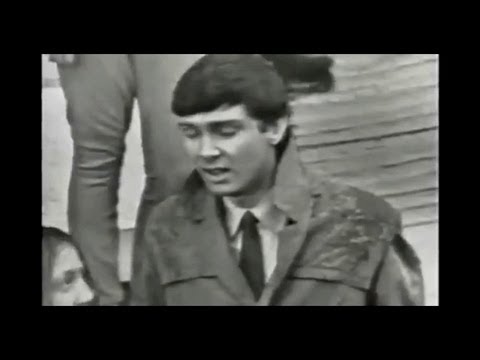
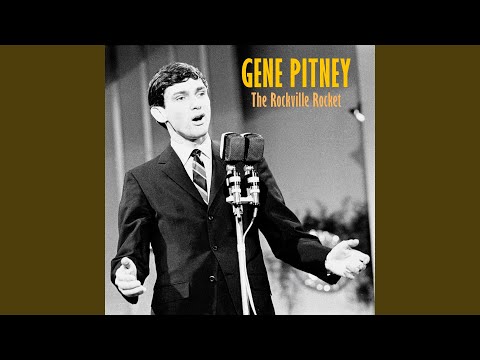
There were a handful of male vocalists in 1960s pop who specialized in a particular emotional intensity, a capacity for sustained dramatic feeling that suited the lavish orchestral productions of the era. Gene Pitney was one of the most gifted of them. His voice had a distinctive quality that set it apart from the smoother, more conventionally pleasing tenors of the period: a slightly strained, reaching quality that made his performances feel genuinely effortful, as if the emotions he was conveying were costing him something. Combined with the kind of sweeping arrangements that producers of the era loved to apply to his material, this vocal quality made Pitney one of the defining sounds of mid-decade pop. Born in Hartford, Connecticut, and trained as a multi-instrumentalist, he had arrived at his commercial peak in the early 1960s with a string of recordings that demonstrated unusual range, from up-tempo rock and roll vehicles to the operatic ballads that became his signature. By 1966, he was a seasoned professional who understood the full architecture of a dramatic pop recording and exactly how to inhabit one.
A Randy Newman Song
"Just One Smile" was written by Randy Newman, a fact that rewards attention. Newman in the mid-1960s was working primarily as a songwriter for hire, producing material for other artists before his own performing career took shape. The song he gave Pitney was a perfectly constructed piece of longing, built around the image of a smile as sufficient consolation for everything that might go wrong in a romantic relationship. The emotional architecture is elegant: the premise is almost absurdly romantic in its simplicity, but the lyrical execution gives it a sincerity that lifts it above sentiment into genuine feeling. Newman understood, even in these early commercial assignments, how to make the simple carry weight.
The Sound of Late 1966
The recording arrived at a specific and fascinating moment in pop history. By late 1966, the British Invasion had transformed American radio, and artists like Pitney, who occupied the slightly older world of pre-Invasion pop-rock, were adapting their approaches with varying success. The production on "Just One Smile" leaned into the orchestral grandeur that had always been Pitney's natural territory, surrounding his vocal with the kind of cinematic strings and brass arrangements that made his recordings feel like compressed movie scores. In a year when the Beatles were releasing Revolver and psychedelia was reshaping ambitions across the industry, Pitney's commitment to the dramatic ballad form was a deliberate stance.
The Chart Run at Year's End
The single debuted on the Billboard Hot 100 on Christmas Eve, December 24, 1966, entering at number 88. It climbed through the holiday season and into the new year, reaching its peak of number 64 on January 28, 1967 after six weeks on the chart. That placing reflected a narrower commercial window than Pitney's biggest hits had enjoyed, but it confirmed that he retained an audience willing to follow him into 1967. The timing of the debut, landing in the middle of the Christmas chart cycle, was never ideal for maximum exposure, as holiday-themed material dominated playlists and radio programmers were cautious about new entries.
Pitney's Place in the Pop Tradition
Gene Pitney never quite received the critical recognition that his craft deserved, in part because the dramatic ballad tradition he inhabited was not the kind that attracted sustained critical attention in the rock era. His consistency as a hitmaker through the 1960s was remarkable, encompassing chart successes with songs written by Burt Bacharach, Hal David, and Gerry Goffin, as well as his own compositions. "Just One Smile" fits naturally into that catalog: a song that demonstrates the tradition's full potential when superior material meets a singer capable of delivering on its emotional promises. He also enjoyed significant commercial success in the United Kingdom, where the dramatic pop style he favored found a particularly receptive audience, and his British chart profile ran parallel to his American career throughout the decade. That transatlantic appeal confirmed that the emotional qualities he embodied in recordings like this one were not culturally specific but tapped into something more universally human. Press play and hear what movie-scale feeling sounds like compressed into three minutes of peak-1960s pop.
"Just One Smile" — Gene Pitney's singular moment on the 1960s charts.
02 Song Meaning
"Just One Smile" — Devotion, Simplicity, and the Romantic Absolute
The Proposition at the Center
The emotional logic of "Just One Smile" is built on a premise that feels both extremely simple and, under examination, quite profound. The song proposes that a single expression of affection from the right person is sufficient recompense for whatever suffering or difficulty life presents. This kind of romantic absolutism was not unusual in mid-1960s pop, but Randy Newman's execution of the idea gave it a particular sincerity that distinguished it from the merely formulaic. The specificity of the image, a smile rather than a grand gesture, is what makes the sentiment work: it suggests intimacy and familiarity rather than the dramatic declarations of early-era love songs.
Randy Newman's Early Craft
Understanding the song requires some attention to its author. Randy Newman in 1966 was several years away from the sardonic, satirically inclined artistic voice that would define his own performing career. The songs he was writing for hire during this period were sincere and commercially minded, demonstrating a facility with melodic construction and emotional resonance that served the artists who recorded them extremely well. "Just One Smile" shows Newman's early mastery of the emotional arc, the ability to establish a feeling and then develop it through a song's structure so that the payoff at the end feels genuinely earned rather than simply delivered.
Vulnerability as Strength
There is a dimension of the song's emotional message worth pausing on: it requires the singer to be openly vulnerable in a way that not all mid-1960s pop permitted male performers to be. The admission that a smile, the smallest possible sign of favor from the beloved, is all the singer needs is a confession of near-total emotional exposure. Gene Pitney's vocal style was particularly suited to this kind of openness, his reaching, straining delivery making the vulnerability feel earned and real rather than performed. The song asked him to expose something, and he was a singer willing to do exactly that.
The Romantic Ideal of the Era
Mid-1960s pop operated in a cultural moment when certain romantic ideals were still available without irony. The notion of total devotion to a single person, of finding that person's approval sufficient orientation for one's entire emotional life, was a staple of the era's love song tradition. What made the best songs in this tradition rise above the generic was the quality of the writing and performance; the underlying emotional logic was shared across dozens of hits from the period. "Just One Smile" earned its place among the better examples through the precise imagery of its central conceit and the genuine feeling that Pitney brought to its performance.
Small Gestures, Large Meaning
The song ultimately argues for something that popular culture sometimes forgets: that the most powerful emotional experiences are often the most intimate and private, invisible to anyone outside the relationship that generates them. A smile exchanged between two people who understand each other deeply carries more meaning than any public declaration, and a song willing to make that case is doing something more interesting than its simple surface suggests.
→ More from Gene Pitney
View all Gene Pitney hits →


→ More from the 1960s File
View all 1960s hits →




Keep digging