The 1960s File Feature
Only Love Can Break A Heart
Only Love Can Break A Heart by Gene Pitney Picture the early 1960s, when dramatic, emotionally charged pop balladry ruled the airwaves and Gene Pitney was on…
01 The Story
"Only Love Can Break A Heart" by Gene Pitney
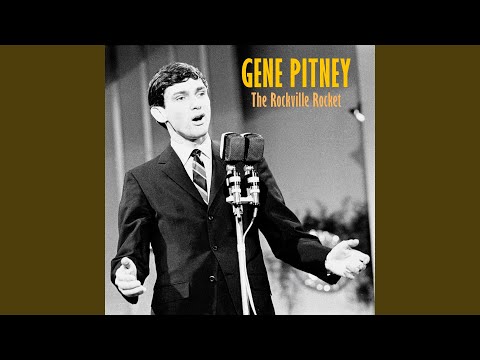
Picture the early 1960s, when dramatic, emotionally charged pop balladry ruled the airwaves and Gene Pitney was one of its most powerful voices. With his soaring, passionate delivery and gift for conveying deep emotion, Pitney became one of the era's most distinctive singers. "Only Love Can Break A Heart" brought his dramatic talents to a beautifully crafted ballad of heartbreak, a sweeping song that became one of his biggest hits, climbing all the way to number two on the Billboard charts.
A Master Of Dramatic Pop
By 1962, Gene Pitney had become one of the most distinctive voices in pop. He was renowned for his soaring, emotionally intense vocal style, perfectly suited to dramatic, sweeping ballads. Pitney brought genuine passion and theatrical power to his songs, distinguishing him in an era full of emotional pop. "Only Love Can Break A Heart" came during this successful period, written by the renowned songwriting team of Burt Bacharach and Hal David. The single gave Pitney the perfect vehicle for his dramatic gifts, a beautifully crafted ballad of heartbreak that showcased his powerful, emotive delivery.
A Sweeping Ballad Of Heartbreak
The single is a dramatic, emotionally rich ballad. It explores the pain of heartbreak with sweeping melody and Pitney's soaring, passionate vocal. The sophisticated arrangement, with its lush orchestration, provides the perfect setting for his dramatic delivery. Pitney sings the song with genuine intensity, conveying the deep ache of a broken heart with theatrical power and real feeling. The recording exemplifies the dramatic, emotionally charged pop balladry that made Pitney one of the era's most compelling and successful singers.
A Number-Two Triumph
The single became one of Pitney's biggest successes. "Only Love Can Break A Heart" debuted on the Billboard Hot 100 on September 15, 1962 at number 68 and climbed rapidly through the autumn. The song rose all the way to the top tier, peaking at number 2 during the week of November 3, 1962. It also showed strong staying power, spending a total of fourteen weeks on the Hot 100. That triumphant run made it one of the defining hits of Pitney's career and confirmed his status as a major chart force in the early sixties.
A Defining Pitney Hit
"Only Love Can Break A Heart" remains one of the most memorable songs in Gene Pitney's catalog. It exemplified his gift for dramatic, emotionally powerful balladry and his partnership with great songwriters. The song became a classic of early-sixties pop, beloved for its sweeping emotion and Pitney's commanding delivery. As Pitney went on to enjoy a long and successful career, this number-two hit endures as a striking example of his artistry and his command of the dramatic pop ballad. For fans of the era, it remains a cherished favorite.
A Singer And His Songwriters
The success of "Only Love Can Break A Heart" reflected the powerful combination of a great singer paired with great songwriters. The song came from the celebrated songwriting team of Burt Bacharach and Hal David, masters of sophisticated, emotionally rich pop, and Pitney's dramatic voice proved an ideal match for their craft. The partnership between a distinctive vocalist and skilled songwriters often produced the era's finest pop, and this song exemplifies that synergy. Bacharach and David's gift for crafting beautiful, intricate melodies and meaningful lyrics gave Pitney material worthy of his powerful delivery. His soaring, passionate voice brought their composition to dramatic life, elevating it into a memorable hit. That collaboration demonstrated how the right pairing of singer and songwriters could create something greater than either might achieve alone. The song stands as a testament to that creative partnership, a beautifully written ballad given dramatic power by Pitney's commanding voice. The success of such collaborations defined much of early-sixties pop, and this hit remains a fine example of that golden combination of songwriting craft and vocal artistry.
Why It Still Moves
The song retains its sweeping, dramatic power and its emotional intensity. It carries the soaring vocal and passionate delivery that made Gene Pitney so distinctive. Press play and let his commanding voice and the song's heartbroken grandeur sweep you up. It is a stirring reminder of why Pitney remains one of the great voices of early-sixties pop, a master of the dramatic, emotionally charged ballad.
"Only Love Can Break A Heart" — Gene Pitney's singular moment on the 1960s charts.
02 Song Meaning
The Meaning Behind "Only Love Can Break A Heart"
"Only Love Can Break A Heart" explores a profound truth about love and pain: that only something we deeply care about has the power to truly hurt us. Its meaning centers on the idea that the capacity for heartbreak is inseparable from the capacity to love.
Love And Pain Intertwined
The central theme is the connection between love and heartbreak. The song expresses the truth that only love has the power to break a heart, that deep pain comes only from deep caring. That insight lies at the heart of the song, the recognition that vulnerability to heartbreak is the price of genuine love. The song treats this connection as a fundamental truth, suggesting that the very thing that brings joy also carries the power to wound.
The Vulnerability Of Caring
Running through the song is an acknowledgment of love's vulnerability. To love deeply is to open oneself to the possibility of profound hurt, for only what we cherish can truly break us. That recognition gives the song its emotional wisdom, treating heartbreak not as a random misfortune but as a consequence of the willingness to love. The song captures the bittersweet reality that genuine love always carries risk, the chance of devastating pain alongside the possibility of joy.
Dramatic Emotional Expression
The song channels its meaning through dramatic, sweeping emotion. Pitney's soaring vocal and the lush arrangement give the song's truth about love and pain a powerful, theatrical expression. That dramatic intensity amplifies the emotional weight of the message, treating heartbreak with the grandeur it deserves. The song uses its sweeping pop balladry to convey the profound connection between love and pain, making the insight feel both moving and momentous.
The Price Of Opening The Heart
The song's central insight carries a quiet wisdom about the inherent risk of love. To open one's heart to another is to accept the possibility of profound hurt, for only by allowing someone to matter deeply do we grant them the power to wound us. The song confronts that truth directly, acknowledging that genuine love and the risk of heartbreak are inseparable. There is something both sobering and beautiful in that recognition, the understanding that the capacity for joy and the capacity for pain spring from the same source. The song does not shy away from this reality but embraces it, treating heartbreak as the natural consequence of having loved fully. That wisdom gives the song a depth beyond simple sorrow, presenting love as a brave act that carries inherent risk. By acknowledging that only love can break a heart, the song honors the courage required to love at all, the willingness to accept vulnerability as the price of genuine connection.
Why It Resonates
The song connects because its truth about love is so profound and universal. The recognition that only love can truly break a heart speaks to a deep understanding of the relationship between caring and vulnerability, and the song expresses it with dramatic power. Its insight into the connection between love and pain resonates with anyone who has loved and been hurt. Delivered with Gene Pitney's soaring, passionate style, the song offers a moving meditation on the bittersweet truth that love and heartbreak are forever intertwined.
→ More from Gene Pitney
View all Gene Pitney hits →

→ More from the 1960s File
View all 1960s hits →




Keep digging