The 1960s File Feature
I Must Be Seeing Things
I Must Be Seeing Things by Gene Pitney: A Master of Pop Drama Strikes Again Step into the pop landscape of early 1965, a moment when the British Invasion was…
01 The Story
"I Must Be Seeing Things" by Gene Pitney: A Master of Pop Drama Strikes Again
Step into the pop landscape of early 1965, a moment when the British Invasion was reshaping the charts, yet American pop balladeers still commanded enormous audiences with their dramatic, emotionally charged singles. Gene Pitney was one of the finest of them, a singer blessed with a soaring, anguished voice perfectly suited to tales of heartbreak and longing. "I Must Be Seeing Things" found him doing what he did so well, delivering a dramatic, intensely emotional pop record that connected powerfully with listeners.
A Singer of Operatic Intensity
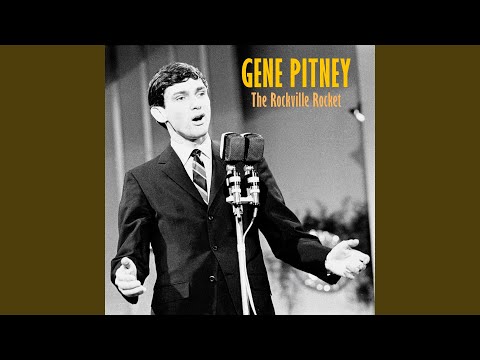
Gene Pitney occupied a distinctive place in 1960s pop. He had built a string of hits with dramatic, emotionally intense singles like "Town Without Pity" and "Only Love Can Break a Heart", songs that showcased his remarkable voice and his flair for romantic drama. Pitney was also a gifted songwriter who had penned hits for other artists, but his greatest gift was his ability to invest a song with almost operatic emotional intensity. His soaring, slightly trembling voice could convey heartbreak and anguish like few others, making him one of the era's most reliable purveyors of dramatic pop.
A Tale of Jealous Anguish
"I Must Be Seeing Things" delivers exactly the kind of emotional drama Pitney specialized in. The song explores the torment of jealousy and suspicion, the narrator tormented by visions of his lover with someone else. Pitney's vocal performance is intense and anguished, conveying the consuming pain of romantic doubt. The arrangement builds dramatically, supporting the emotional climaxes with sweeping orchestration. This was pop as high drama, music that took romantic suffering seriously and rendered it with operatic grandeur. Pitney's committed, full-throated delivery made the anguish feel genuine and gripping.
A Solid Chart Run
The single performed well, confirming Pitney's continued appeal even amid the British Invasion. "I Must Be Seeing Things" debuted on the Billboard Hot 100 at number 78 on February 27, 1965, and climbed steadily through the late winter. It reached its peak of number 31 on March 27, 1965, and remained on the chart for 7 weeks. That was a respectable showing in a fiercely competitive period, demonstrating that Pitney's dramatic pop still resonated with audiences. While the British bands dominated the headlines, Pitney proved that there was still a substantial appetite for his particular brand of emotional intensity.
A Worthy Entry in a Dramatic Catalog
In the larger story of Gene Pitney's career, "I Must Be Seeing Things" stands as a fine example of his gift for romantic drama. He would remain a beloved figure, particularly in Britain, where his popularity endured for decades. This song captures the operatic intensity that made him special, the willingness to take romantic suffering to its emotional extreme. For fans of dramatic 1960s pop, it offers a gripping showcase of one of the era's most distinctive and committed vocalists, a master of turning heartbreak into compelling theater.
Surviving the British Invasion
It is worth appreciating how remarkable it was for an American pop balladeer to keep scoring hits in 1965, the very height of the British Invasion. The arrival of the British bands had upended the American charts, sweeping aside many of the established stars of the early 1960s and rendering their style suddenly old-fashioned. Yet Gene Pitney persisted, his dramatic, emotionally charged singles continuing to find an audience. That durability spoke to the genuine power of his voice and the depth of his connection with listeners. He offered something the British bands generally did not, a kind of operatic, full-throated romantic drama that had its own devoted following. His ability to thrive in such a competitive and changing environment is a testament to his distinctive gifts and his understanding of what his audience craved, an emotional intensity that never went out of style for those who loved it.
Press play and let the operatic anguish of Gene Pitney's "I Must Be Seeing Things" sweep you into its dramatic emotional storm.
"I Must Be Seeing Things" — Gene Pitney's singular moment on the 1960s charts.
02 Song Meaning
The Meaning of "I Must Be Seeing Things": The Torment of Jealous Imagination
The title captures a particular kind of romantic anguish: the way jealousy can fill the mind with painful visions, real or imagined. "I Must Be Seeing Things" explores the torment of suspicion, the narrator tortured by images of his lover's possible betrayal. Gene Pitney channeled that consuming jealousy into a dramatic, emotionally intense performance, giving voice to one of love's most painful afflictions.
The Central Theme of Consuming Jealousy
At its heart, the song is about the torment of romantic suspicion. The narrator is plagued by visions of his lover with another, unsure whether what he sees is real or a product of his jealous imagination. That uncertainty is the heart of his anguish, the inability to know the truth feeding an ever-growing torment. The song captures the way jealousy can consume a person, distorting perception and filling the mind with painful images. It is a portrait of love poisoned by doubt, of a heart tortured by what it cannot be sure of.
Drama as Emotional Truth
Pitney's operatic delivery gives the jealousy enormous weight. His soaring, anguished voice conveys the consuming intensity of the narrator's torment, treating romantic suffering with utter seriousness. That dramatic approach might seem excessive in other hands, but Pitney makes it feel genuine, the authentic expression of someone in real emotional pain. The sweeping arrangement amplifies that feeling, turning private jealousy into something almost grand. The drama is not a pose but a way of honoring the true intensity of the emotion.
A Reflection of Pop's Dramatic Tradition
The song belongs to a tradition of intensely dramatic pop balladry. The early 1960s produced many songs that treated romantic anguish with operatic seriousness, giving full voice to heartbreak, longing, and jealousy. Pitney was a master of this style, and the song fits squarely within it. That tradition reflected an audience that wanted its emotions rendered large and vivid, music that took the sufferings of love seriously rather than minimizing them. The song delivers exactly that kind of heightened emotional experience.
Why It Still Resonates
The song endures because jealousy is such a universal and painful experience. Almost everyone has known the torment of suspicion, the way doubt can fill the mind with painful imaginings. Pitney gave that consuming feeling a powerful, dramatic voice, allowing listeners to recognize their own experiences of jealous anguish. The result is a gripping portrait of love tormented by doubt, which is exactly why it continues to resonate with anyone who has suffered the particular agony of not knowing whether their fears are real or merely the cruel inventions of a jealous mind playing tricks in the dark.
→ More from Gene Pitney
View all Gene Pitney hits →

→ More from the 1960s File
View all 1960s hits →




Keep digging