The 1960s File Feature
Loving You Is Sweeter Than Ever
Loving You Is Sweeter Than Ever — Four Tops Motown's Golden Machine at Full Speed Picture Detroit in the spring of 1966. The city's most celebrated record la…
01 The Story
Loving You Is Sweeter Than Ever — Four Tops
Motown's Golden Machine at Full Speed
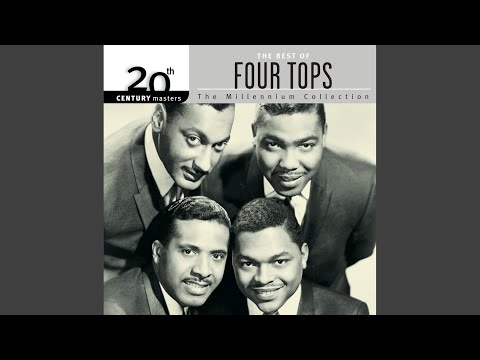
Picture Detroit in the spring of 1966. The city's most celebrated record label has turned its West Grand Boulevard headquarters into a hit factory running at impossible efficiency, and at the center of it all stands one of soul music's most commanding vocal quartets. The Four Tops had spent the previous two years establishing themselves as one of Motown's premier acts, and by the time "Loving You Is Sweeter Than Ever" arrived, they were operating from a position of real confidence. Lead singer Levi Stubbs had demonstrated an emotional range that few of his contemporaries could match, and the group around him, Abdul "Duke" Fakir, Renaldo "Obie" Benson, and Lawrence Payton, provided harmonies that were both precise and warm.
The Songwriters Behind the Scene
The song came from the formidable writing partnership of Ivy Jo Hunter and William "Mickey" Stevenson, two figures deeply embedded in Motown's creative ecosystem. Stevenson served as the label's A&R director and had co-written a string of major hits for the roster. Hunter was a prolific contributor whose pen touched numerous Motown recordings across the decade. Together, they crafted a piece of music that leaned into the Four Tops' strengths: an assertive rhythmic foundation, layered backing vocals, and a lead vocal performance built around genuine emotional intensity rather than technical showmanship alone. The production, handled within the Motown system, carried the label's signature sound of that period, with punchy brass accents and a rhythm section that kept everything in urgent motion.
Climbing the Hot 100
The single debuted on the Billboard Hot 100 on May 28, 1966, entering at position 95. From there it moved steadily upward through the spring and early summer, reflecting the kind of methodical chart climb that characterized Motown releases in that era. The label's promotional infrastructure was disciplined, and radio programmers across the country responded to the track's infectious momentum. By the week of July 2, 1966, the song had reached its peak position of number 45, completing an eight-week run on the chart. While that peak placed it below some of the Four Tops' most celebrated chart achievements, the run reflected the song's genuine commercial appeal during a period when the Hot 100 was fiercely competitive, with British Invasion acts still commanding considerable real estate at the upper end of the chart.
Context Within the Four Tops' Catalog
The summer of 1966 was a complicated moment for American pop. The Tops had already scored a number-one single with "I Can't Help Myself (Sugar Pie Honey Bunch)" the previous year, a track that had become one of Motown's signature records and lodged itself permanently in the public imagination. Following that kind of success meant that anything short of another number-one risked being read as a step sideways, but "Loving You Is Sweeter Than Ever" deserves to be understood on its own terms. It demonstrated that the group could sustain commercial momentum across releases, which mattered enormously in an era of singles-driven consumption. Fans bought records by act loyalty as much as individual track enthusiasm, and the Tops rewarded that loyalty with consistency.
A Moment That Still Resonates
Across the decades since its release, "Loving You Is Sweeter Than Ever" has found its way into retrospective Motown compilations and catalog reissues, giving new generations of listeners access to the Four Tops at a particularly fertile moment in their development. The song captures something essential about the Motown formula: the marriage of romantic optimism with rhythmic drive, wrapped in production that felt both lavish and purposeful. Levi Stubbs's vocal anchors the track with a conviction that makes the sentiment feel earned rather than easy. The song isn't trying to reinvent anything; it's refining an approach that the group and the label had spent years perfecting. That confidence is audible in every bar. Press play and you can hear what a great soul record sounded like when the musicians, the writers, and the singer were all functioning at the top of their game simultaneously.
"Loving You Is Sweeter Than Ever" — Four Tops' singular moment on the 1960s charts.
02 Song Meaning
Loving You Is Sweeter Than Ever — Themes and Legacy
The Grammar of Devotion
There is a particular kind of love song that stakes its claim not on heartbreak or yearning but on arrival, on the simple, profound fact of having found something worth keeping. "Loving You Is Sweeter Than Ever" belongs squarely in that tradition. The lyric makes its central argument in the title itself: affection deepens over time rather than fading, and the experience of loving someone only grows richer as familiarity accumulates. This was not a novel idea in 1966, but the Four Tops gave it fresh urgency. Levi Stubbs's vocal delivery transforms a sentiment that could have been generic into something that sounds personally felt. His voice carries a quality of earned conviction, as though the emotion being expressed had been tested and proved rather than simply declared.
Soul Music and the Language of Celebration
The song arrives at a moment when soul music was actively expanding what popular love songs were permitted to do. Motown in particular had developed a sonic and lyrical vocabulary that could accommodate joy without sacrificing depth. The arrangement around Stubbs builds a sense of communal celebration, with backing harmonies that respond and reinforce the lead vocal rather than merely decorating it. This call-and-response architecture connects the track to gospel traditions while keeping it firmly in the secular pop mainstream. The emotional register is unambiguous: this is music designed to make listeners feel the positive weight of romantic commitment, the sense that love is not a burden but a reward.
The Cultural Moment of 1966
American pop radio in the mid-1960s was navigating significant cultural turbulence. The civil rights movement had fundamentally altered the political landscape, and Black artists on major labels occupied a complicated position, celebrated commercially while the communities they came from continued to face systemic inequality. Motown's deliberate crossover strategy meant that artists like the Four Tops were speaking simultaneously to multiple audiences. Songs that celebrated love and belonging carried additional resonance in that context. The insistence on joy, on sweetness, on the value of loving and being loved, was not escapism so much as a form of assertion: that Black emotional life was complex, nuanced, and worthy of celebration on the nation's biggest pop charts.
Why the Song Still Holds
The enduring appeal of "Loving You Is Sweeter Than Ever" rests on several foundations. The melody is strong enough to be memorable without being simple-minded. The production, while unmistakably of its era, retains a clarity and energy that prevents it from feeling dated. Most importantly, the emotional content is genuinely universal. The idea that love improves with time, that familiarity sharpens rather than dulls affection, speaks to something most listeners have experienced or hoped to experience. That universality is why Motown records from this period have retained their commercial vitality across generations of compilation albums and streaming playlists. The Four Tops packaged something true and delivered it with style.
"Loving You Is Sweeter Than Ever" — Four Tops' singular moment on the 1960s charts.
→ More from Four Tops
View all Four Tops hits →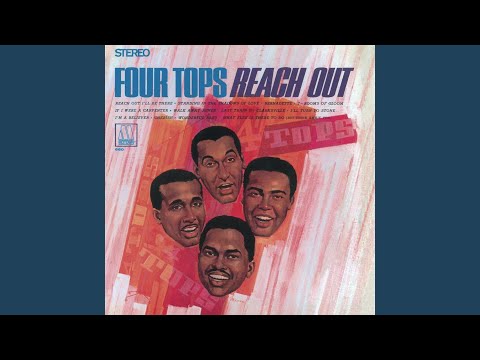


→ More from the 1960s File
View all 1960s hits →




Keep digging