The 1960s File Feature
You Don't Have To Say You Love Me
"You Don't Have to Say You Love Me" — Dusty Springfield's Defining Performance The Song That Changed Everything Imagine London in the spring of 1966, the cit…
01 The Story
"You Don't Have to Say You Love Me" — Dusty Springfield's Defining Performance
The Song That Changed Everything
Imagine London in the spring of 1966, the city at the peak of its cultural energy, a place where every week seemed to produce new sounds and new faces. Dusty Springfield was already a significant figure in British pop before You Don't Have to Say You Love Me arrived, but this was the record that elevated her into a different category entirely. The performance she delivered on this track was so emotionally total, so technically commanding, that it reset the expectations audiences and critics held for what a British pop vocal could achieve.
Dusty Springfield, born Mary Isobel Catherine Bernadette O'Brien in London in 1939, had built her initial success through work with the Springfields and then a solo career that demonstrated her particular gift for American-influenced soul and rhythm and blues. She had traveled to the United States specifically to absorb the sounds of Motown and the Atlantic Records roster, and those journeys had shaped her musical sensibility in ways that were audible in everything she recorded. By 1966, she had already charted with I Only Want to Be with You, Stay Awhile, and Wishin' and Hopin', establishing a commercial track record that gave her record label Philips confidence in her continued commercial viability.
Origins and Italian Roots
The song began its life as an Italian ballad titled Io Che Non Vivo (Senza Te), written by Pino Donaggio and Vito Pallavicini. The English lyric was written by Vicki Wickham and Simon Napier-Bell, both significant figures in the British music industry. Wickham was a producer on the television program Ready Steady Go! and Napier-Bell went on to manage several major acts, including Wham!. The task of writing an English lyric for an Italian melody had its own specific challenges, and the solution Wickham and Napier-Bell arrived at had a directness and emotional vulnerability that matched Springfield's vocal approach perfectly.
The production, arranged with the orchestral grandeur characteristic of the period's most ambitious pop recordings, placed Springfield's voice at the center of a lush and sweeping landscape. The strings rose around the vocal without overwhelming it, framing rather than dominating. The combination of orchestration and vocal performance set a standard for British pop balladry that would influence recordings for years afterward.
Chart Triumph on Both Sides of the Atlantic
The single entered the Billboard Hot 100 on May 21, 1966, debuting at position 76. What followed was a rapid ascent, with the song climbing week by week through the summer. It reached its peak position of number 4 on July 16, 1966, after 13 weeks on the chart. That peak represented Springfield's highest American chart position at that point in her career and confirmed that her appeal extended well beyond the British market. Reaching the top five on the Hot 100 in the summer of 1966 was a competitive achievement at a time when the British Invasion was at full force and American artists were fighting for chart space with unusual intensity.
The song was simultaneously a major hit in the United Kingdom, where it reached number one, giving Springfield a transatlantic triumph that few British artists managed to replicate with the same record.
Legacy and the Dusty Springfield Story
The recording represents the peak of Springfield's classic period, and it secured her place as one of the defining vocalists in 1960s popular music. Her subsequent career included creative risks, commercial disappointments, personal struggles, and the extraordinary late-career resurgence facilitated by the Pet Shop Boys collaboration on Dusty in Memphis's belated recognition and the 1987 album Actually. But You Don't Have to Say You Love Me remained the recording that most completely captured the combination of technical power and emotional commitment that defined her at her best. Inducted into the Rock and Roll Hall of Fame in 1999, shortly before her death that same year, Springfield received the recognition that the recording had always announced was warranted.
Put the record on and you will hear one of the greatest vocal performances in British pop history. It has lost nothing in the six decades since Springfield walked up to the microphone and told the world exactly how much she had to give.
"You Don't Have to Say You Love Me" — Dusty Springfield's singular moment on the 1960s charts.
02 Song Meaning
"You Don't Have to Say You Love Me" — The Liberation of Imperfect Love
A New Kind of Romantic Permission
Pop music in 1966 was still largely organized around idealized romantic narratives: love as perfect, mutual, and certain. The chart landscape of the era was populated with songs that celebrated completeness in love, reciprocal feeling, and the satisfaction of desires met. Against this background, You Don't Have to Say You Love Me offered something considerably more complicated and, ultimately, more honest. The song's central premise is a declaration of voluntary vulnerability: the narrator waives the requirement of spoken reciprocation, asking only for presence rather than declaration. The emotional sophistication of that position was unusual in the commercial pop context of 1966, and it gave the song a depth that distinguished it from most of its chart contemporaries.
This is not a song about secure love. It is a song about love in a state of uncertainty, and its willingness to occupy that uncertain space with full emotional commitment gives it a staying power that more triumphant love songs rarely achieve.
Vulnerability as Strength
There is a counterintuitive argument embedded in the lyric: that accepting less than you might want, or waiving the demand for explicit emotional confirmation, is a form of strength rather than defeat. The narrator is not diminished by not requiring words of love; rather, the willingness to give without guarantee is framed as its own kind of devotion. That reframing of romantic vulnerability as agency rather than passivity resonated with listeners in ways that a more conventional love lyric would not have captured.
Dusty Springfield's vocal performance amplified this quality considerably. She sang the song not as a lament but as a declaration, which transformed the lyrical acceptance of imperfect circumstances into something closer to a choice than a resignation. The distinction between those two things is the difference between a sad song and a powerful one.
The Translation Across Languages and Cultures
The song began as an Italian ballad, and the fact that it worked so completely in its English form says something about the universality of its emotional core. The specific circumstances that gave rise to the Italian original, the romantic culture and musical traditions of mid-1960s Italian popular music, were not the same as those of the British and American pop landscape. Yet the emotional premise transferred without loss. Vicki Wickham and Simon Napier-Bell's English lyric succeeded precisely because they captured the emotional essence of the original rather than attempting a literal translation, giving the material a new life that honored its source while speaking directly to its new audience.
This kind of successful cultural translation is rarer than it appears, and the song's dual success in Italy and the English-speaking world is a useful case study in the conditions that make such translations possible.
Dusty Springfield and the Voice of Longing
Part of what makes the song's meaning so durable is inseparable from who is singing it. Dusty Springfield's voice carried a quality of yearning that was particularly suited to this material: a warmth that suggested genuine feeling beneath the technical command, and a certain quality of emotional exposure that made the vulnerability in the lyric sound like her own rather than an assigned role. Her vocal grain and pitch placement gave the song's resignation an emotional weight that a technically correct but less personally invested performance could not have achieved.
The meaning of You Don't Have to Say You Love Me has expanded across the decades as different listeners have brought their own experiences of imperfect love to it. A song that stays large enough to contain that variety of personal experience is one that has earned its place in the permanent repertoire of popular music.
→ More from Dusty Springfield
View all Dusty Springfield hits →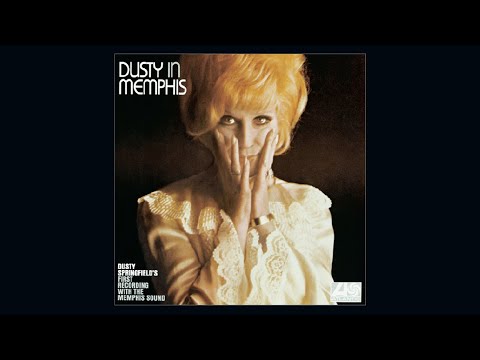

→ More from the 1960s File
View all 1960s hits →




Keep digging