The 1960s File Feature
I'm So Glad I Fell For You
The Story Behind I'm So Glad I Fell For You by David Ruffin A Former Temptations Lead Voice Forging a Solo Path By late 1969, David Ruffin was still working …
01 The Story
The Story Behind "I'm So Glad I Fell For You" by David Ruffin
A Former Temptations Lead Voice Forging a Solo Path
By late 1969, David Ruffin was still working to establish himself as a viable solo artist following his acrimonious departure from The Temptations, one of Motown's most commercially dominant vocal groups, a transition that placed considerable pressure on him to prove his distinctive lead voice could carry hits independently. This single arrived during that genuinely challenging early solo period, released as Ruffin continued searching for the kind of consistent solo chart success that had come so naturally during his years fronting one of soul music's defining vocal ensembles.
A Soulful Showcase for a Distinctive Lead Voice
"I'm So Glad I Fell For You" gave Ruffin ample room to showcase his instantly recognizable, gritty yet emotionally expressive lead vocal, the same distinctive instrument that had powered numerous Temptations classics, now framed within a Motown production built specifically to highlight his solo capabilities. That vocal showcase reflected Motown's clear strategic intent, positioning Ruffin's voice as the undeniable centerpiece rather than one element within a larger group harmony structure.
A Brief, Modest Chart Appearance
Commercially, "I'm So Glad I Fell For You" debuted on the Billboard Hot 100 on December 20, 1969, and climbed slightly to reach its peak position of number 67 during the chart week of December 27, 1969, spending just two weeks on the chart overall. That brief, comparatively modest chart run reflected the genuine commercial challenge facing Ruffin as he worked to establish an independent solo identity distinct from his celebrated group affiliation.
A Modest but Meaningful Data Point in a Solo Transition
Even a brief chart appearance carried real significance within the broader context of Ruffin's uncertain early solo transition, offering at least some evidence that his distinctive voice could still generate mainstream radio interest independent of his former group's considerable commercial machinery. That modest chart presence mattered for Ruffin's ongoing solo career development, even as it fell well short of the sustained top-ten success he had regularly achieved as the Temptations' lead voice.
Part of Motown's Broader Late-1960s Solo Star Strategy
This single arrived amid a broader Motown strategy of the era, developing solo careers for several prominent former group lead vocalists as the label sought to maximize its considerable roster of proven vocal talent beyond established group formats. That broader label strategy shaped much of the surrounding commercial context in which this particular single was conceived, produced, and ultimately released to a national audience.
A Difficult but Necessary Step in a Longer Journey
Within Ruffin's broader career arc, this recording represented an early, admittedly difficult step in what would eventually become a more fully realized solo career, one that would achieve considerably greater commercial success in the years immediately following this particular release. That longer trajectory gives the recording added historical interest as an early marker along Ruffin's path toward eventual solo stardom.
A Testament to an Unmistakable Vocal Instrument
Regardless of its modest chart performance, the single's greatest asset remained Ruffin's genuinely unmistakable vocal instrument, a voice distinctive enough that Motown clearly believed it could eventually anchor sustained solo success independent of any group context. That underlying vocal talent would indeed prove itself commercially viable soon after, validating the label's continued investment in Ruffin's developing solo career.
Navigating Comparison to an Iconic Prior Chapter
Every solo release Ruffin issued during this period inevitably invited direct comparison to his celebrated Temptations output, a genuinely difficult commercial reality that few departing lead singers manage to escape entirely regardless of their individual vocal talent. That comparison placed considerable pressure on this specific single to prove something beyond simple chart performance, namely that Ruffin's voice retained real commercial power outside the specific group context that had originally made it famous. Motown's own promotional efforts around the release reflected an awareness of this challenge, positioning the song as evidence of Ruffin's continuing artistic relevance rather than treating it as a decisive commercial statement on its own.
An Early Chapter in an Eventually Rewarded Solo Journey
Press play and hear a celebrated group lead voice working to prove his distinctive vocal talent could carry a solo career on its own considerable merits.
"I'm So Glad I Fell For You" — David Ruffin's singular moment on the 1960s charts.
02 Song Meaning
What "I'm So Glad I Fell For You" Is Really About
Gratitude for an Unexpected Romantic Connection
As its title plainly suggests, the song centers on genuine gratitude for an unexpected romantic connection, the narrator expressing sincere happiness at having fallen for a particular partner rather than dwelling on any accompanying romantic uncertainty or risk. David Ruffin's gritty, emotionally direct vocal delivery lends that gratitude real conviction throughout, favoring soulful sincerity over polished romantic cliché.
Vulnerability as Vocal Strength
Rather than projecting effortless romantic confidence, the vocal performance conveys genuine vulnerability, Ruffin's raw, expressive delivery suggesting a narrator genuinely surprised and moved by the depth of his own romantic feeling. That vulnerable quality distinguished Ruffin's solo vocal approach, carrying forward the same emotionally exposed intensity that had made his Temptations lead vocals so consistently compelling.
Classic Motown Production Framing a Solo Voice
Musically, the song's polished Motown production, featuring tight rhythm section work and sophisticated backing arrangements, provides a familiar sonic foundation while still leaving considerable space for Ruffin's lead vocal to dominate the recording's emotional center. That production balance reflected Motown's clear intent to translate a proven group-era sonic formula into an effective solo vehicle for one of its most celebrated departing lead voices.
Simplicity as Emotional Honesty
The song's relatively straightforward lyrical structure favors emotional directness over elaborate romantic metaphor, stating its central sentiment of grateful surprise plainly rather than obscuring it behind layers of poetic complexity. That directness suited Ruffin's raw vocal style particularly well, allowing his natural expressiveness to carry the song's emotional weight without unnecessary lyrical embellishment.
A Voice Carrying Forward a Proven Legacy
Ruffin's vocal approach throughout the recording carries forward much of the same emotional intensity that had defined his celebrated tenure fronting one of Motown's most commercially successful vocal groups, even while working within a considerably more modest solo commercial context. That continuity of vocal identity gave the song genuine artistic credibility, regardless of its ultimately limited chart performance.
Surprise as the Song's Emotional Engine
Central to the lyric's appeal is a genuine sense of surprise, the narrator seemingly caught off guard by the strength of his own feelings rather than having anticipated or planned for this particular romantic outcome. That element of surprise gives the gratitude expressed throughout the song a more spontaneous, believable quality than a more calculated romantic declaration might have carried.
Why the Song Still Resonates
Today, the track holds particular interest among soul music historians and Ruffin's dedicated fanbase, valued as an early example of his developing solo artistry during a genuinely uncertain career transition period. Its modest chart history has not diminished its standing among listeners specifically drawn to Ruffin's remarkable, instantly recognizable vocal instrument.
"I'm So Glad I Fell For You" — David Ruffin's singular moment on the 1960s charts.
→ More from David Ruffin
View all David Ruffin hits →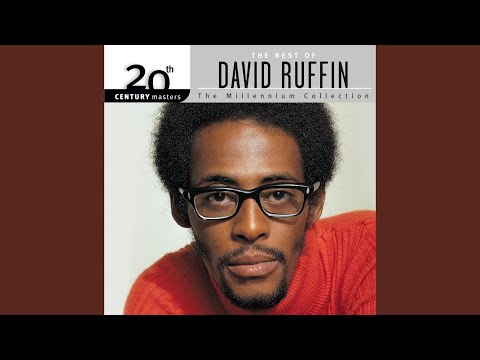
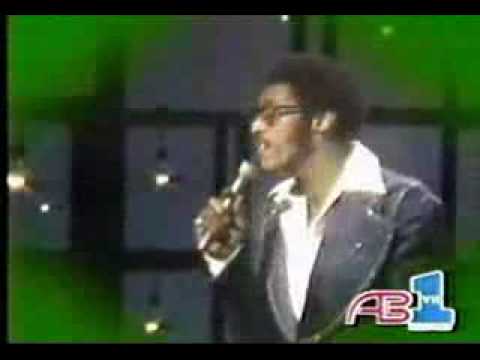
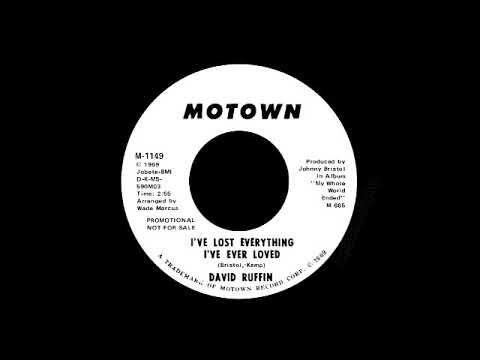
→ More from the 1960s File
View all 1960s hits →




Keep digging