The 1960s File Feature
If I Didn't Love You
The Aching Soul of If I Didn't Love You by Chuck Jackson Step into the late summer of 1965, when soul music was deepening its emotional palette and a great s…
01 The Story
The Aching Soul of "If I Didn't Love You" by Chuck Jackson
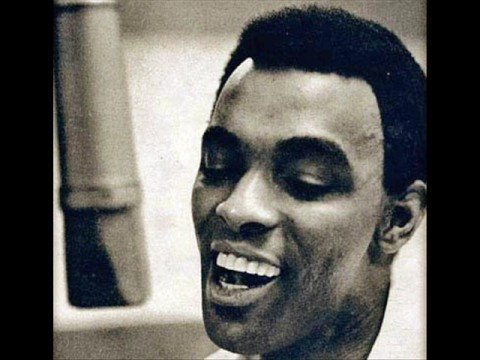
Step into the late summer of 1965, when soul music was deepening its emotional palette and a great singer could make heartbreak sound almost regal. Chuck Jackson had one of those voices, a rich, commanding baritone that filled a song the way a storm fills a sky. When "If I Didn't Love You" arrived on the radio that August, it carried the dignified hurt that was becoming his trademark, a sound that split the difference between the church and the supper club.
A Voice Already Proven
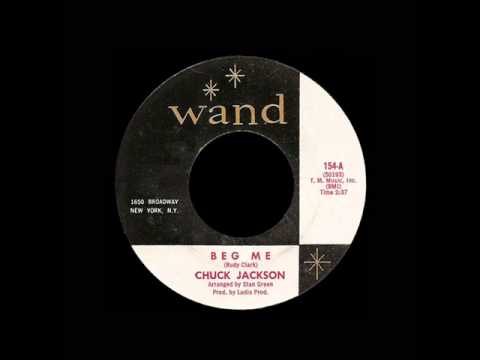
By 1965 Jackson was an established and respected name in rhythm and blues. He had broken through earlier in the decade with the towering ballad "Any Day Now," a record whose sweeping orchestration and aching vocal set a template for sophisticated soul. Jackson recorded for the Wand label during this period, part of a roster known for marrying gospel-trained voices to polished, ambitious arrangements. He was a singer's singer, admired by peers for the size and control of his instrument even when the wider pop world only glanced his way.
The Sound of Composed Heartbreak
The recording showcases what made Jackson special. His baritone moves with measured power, never showy, always purposeful, riding an arrangement that balances strings and rhythm in the elegant manner of mid-decade soul. The performance does not beg; it states its pain with a kind of self-possession that makes it more affecting, not less. That restraint is the mark of a mature artist who understood that holding something back can hit harder than letting it all spill out.
A Brief but Honorable Chart Run
On the national pop chart the single performed modestly. It debuted on the Billboard Hot 100 at number 80 on August 7, 1965, and worked its way upward through late summer. It peaked at number 46 during the week of September 18, 1965, and it spent seven weeks on the Hot 100 overall. For a deep-soul ballad in a year increasingly dominated by rock and the British Invasion, cracking the upper half of the chart was a solid achievement, and it reflected Jackson's loyal core audience.
His Place in Soul History
Jackson never became a pop-radio fixture on the scale of some of his contemporaries, but within the soul tradition his reputation is secure. He is rightly remembered as one of the great baritone interpreters of the 1960s, a singer whose recordings repaid close listening. His influence echoes in the generations of soul men who learned that power and dignity could coexist in a single phrase. This single is a fine example of that gift, a smaller hit that nonetheless captures everything that made him worth hearing.
An Artist's Artist
One measure of Jackson's stature is the company he kept and the regard in which his peers held him. He was admired across the rhythm-and-blues world as a singer of unusual technical command, the kind of vocalist other singers studied. His recordings of the period demonstrate a consistency of taste and execution that elevated even his lesser hits above the ordinary. There is never a sense of a man straining for effect or chasing a trend; instead there is the assurance of a performer who knows precisely what he does well and refuses to do anything else. That integrity is rare, and it is woven into every phrase of this record. It also explains why his catalog has been so faithfully preserved by collectors and reissued for new generations of soul devotees who recognize a master when they hear one.
Why It Rewards a Listen
Revisit the track and you will hear a master at work, turning a lover's lament into something almost stately. The arrangement frames him without crowding him, and his baritone does the rest. Press play and let that voice wrap around you; it is soul music with its head held high.
"If I Didn't Love You" — Chuck Jackson's singular moment on the 1960s charts.
02 Song Meaning
The Reluctant Confession of "If I Didn't Love You"
The title alone tells you this is a song about contradiction. The whole lyric hinges on a defensive opening that immediately gives the game away, the kind of statement people make precisely because the opposite is true. Chuck Jackson sings a man trying to deny how deeply he is affected, and failing with every line.
The Theme of Vulnerable Denial
At its center the song explores the gap between what the narrator claims and what he plainly feels. He insists that certain hurts would not reach him if he did not love so completely, which is a roundabout admission of just how much he cares. The lyric paraphrases as a confession disguised as a complaint. The pain he describes is proof of the love he is reluctant to name outright, and that indirectness gives the song its psychological depth.
Strength and Fragility at Once
The emotional message lives in the tension between Jackson's powerful voice and the fragility of the sentiment. A man with such a commanding instrument is singing about being undone by feeling, and that contrast is deeply human. Real strength, the song suggests, includes the capacity to be wounded. Jackson never collapses into self-pity; instead he carries his hurt with composure, which makes the underlying vulnerability all the more poignant.
Soul's Emotional Honesty
Culturally, the record belongs to a moment when soul music was expanding the emotional vocabulary of popular song. The mid-1960s saw Black male singers exploring tenderness and pain with new openness, modeling a kind of masculinity that allowed for raw feeling. Jackson's measured ache fits squarely within that tradition, presenting heartbreak not as weakness but as evidence of a man's depth and sincerity.
The Logic of the Brokenhearted
What makes the lyric clever is its argumentative structure. The narrator builds his confession around a hypothetical denial, constructing a case for his own indifference that crumbles under the weight of his obvious feeling. It is the rhetoric of someone trying to convince himself as much as his listener. We have all reasoned this way after a heartbreak, insisting we do not care while every word betrays how much we do. The song captures that self-protective logic with real psychological accuracy, and Jackson sells the contradiction without ever winking at it.
Why It Connects
The song resonates because nearly everyone has tried to talk themselves out of a feeling that refuses to leave. The defensive logic of the title is instantly recognizable, the way we minimize a hurt to protect our pride. Jackson delivers that familiar self-deception with such grace that the listener feels both the protective armor and the love it fails to hide. That honesty, dressed in elegant restraint, is what keeps the recording alive long after its brief chart run ended.
→ More from Chuck Jackson
View all Chuck Jackson hits →


→ More from the 1960s File
View all 1960s hits →




Keep digging