The 1960s File Feature
I Don't Want To Cry
Chuck Jackson Pours Out His Heart on I Don't Want To Cry Picture the early months of 1961, a moment when the raw emotion of soul music was beginning to flow …
01 The Story
Chuck Jackson Pours Out His Heart on "I Don't Want To Cry"
Picture the early months of 1961, a moment when the raw emotion of soul music was beginning to flow into the mainstream and a new generation of powerful male singers was making its mark. Rhythm and blues was deepening, growing richer and more dramatic, and into that fertile scene stepped Chuck Jackson with a commanding voice built for heartbreak. "I Don't Want to Cry" introduced him to a wide audience as a singer of real depth and emotional force.
A Powerful New Voice in Soul
Chuck Jackson emerged at the dawn of the 1960s as one of the era's most gifted soul and rhythm-and-blues singers. He possessed a rich, dramatic baritone capable of conveying enormous emotional weight, a voice that placed him among the finest balladeers of his generation. He had spent time honing his craft before stepping out as a solo artist, and he arrived with the kind of polished, deeply felt delivery that audiences craved. This single helped establish him as a serious talent in a competitive field crowded with extraordinary voices.
The early sixties were a golden age for soul balladry, and Jackson's commanding instrument made him a natural standout.
A Showcase for Emotional Power
"I Don't Want to Cry" was tailor-made for Jackson's strengths. It was a soulful ballad of heartbreak and pride, the kind of song that let him display the full range of his expressive voice. The lyric centered on a man struggling to hold back tears, fighting to keep his composure in the face of lost love. Jackson delivered it with restraint and intensity, building the emotion gradually rather than spilling it all at once. The arrangement gave his voice plenty of room, surrounding it with the warm, classic production of early-sixties R&B. It was a performance that announced a major vocal talent.
A Climb Into the Top Forty
The single entered the Billboard Hot 100 on the chart dated February 20, 1961, at number 76. It then climbed steadily, reaching 61, then 47, then 40 over the following weeks, a strong and consistent ascent. "I Don't Want to Cry" peaked at number 36 on the chart dated March 20, 1961. The song spent seven weeks on the Hot 100 in total. Reaching the top forty was a meaningful success for an emerging soul singer, marking him as an artist capable of connecting with a broad pop audience. It also performed strongly on the rhythm-and-blues charts, where his deep, emotional style found its most devoted listeners.
The result launched Jackson into a productive career and confirmed that his powerful, heartfelt approach had genuine commercial appeal.
The Foundation of a Soul Career
"I Don't Want to Cry" served as an important early milestone for Chuck Jackson, helping to establish him as one of the notable soul voices of the 1960s. He would go on to record more beloved material and earn lasting respect among connoisseurs of the genre. The song stands as a fine example of early-sixties soul balladry, showcasing a singer who understood that real emotional power comes from control as much as from passion. For lovers of classic soul, it remains a moving and rewarding listen.
Jackson's influence echoed through the soul singers who followed, and recordings like this one show exactly why his voice commanded such respect among those who truly listened. The control, the warmth, and the dignity in his delivery set a standard that few of his peers could match.
Press Play for Classic Soul Emotion
Cue up Chuck Jackson's "I Don't Want to Cry" and let that rich, aching baritone wash over you. It is a masterclass in restrained emotional power, the sound of a man fighting to hold himself together while his heart breaks. Few early-sixties soul ballads carry such quiet, dignified intensity.
"I Don't Want To Cry" — Chuck Jackson's singular moment on the 1960s charts.
02 Song Meaning
Pride and Heartbreak in "I Don't Want To Cry"
This is a song about the struggle to stay strong when your heart is breaking. The title says it directly: a man determined not to weep, fighting to hold back the tears that threaten to overwhelm him. It captures the painful tension between deep sorrow and the desire to maintain one's dignity, a battle between feeling and pride that gives the song its emotional core.
The Fight Against Tears
The central theme is emotional restraint in the face of loss. The narrator is determined not to break down, struggling to keep his composure even as grief rises within him. That effort to hold back is more affecting than open weeping would be, because it reveals just how much pain he is trying to contain. The song lives in that tension between what he feels and what he refuses to show.
Pride as Both Shield and Burden
Beneath the heartbreak runs a current of pride. The narrator's refusal to cry is partly an act of self-protection, a way of preserving his dignity in the wreckage of a relationship. That pride is both his armor and his burden, helping him stay upright while also denying him the release of tears. The song understands this complicated impulse, the human need to appear strong even when we are falling apart.
The Emotional Language of Soul
The song speaks in the deeply expressive language of early soul music. Restraint and intensity work together to convey overwhelming feeling, the controlled delivery making the emotion hit harder. This was the genius of classic soul balladry, finding power in the gap between what is sung and what is held back. The performance turns private heartbreak into something universal and profound.
Why It Resonated
The struggle to stay strong through heartbreak is something nearly everyone has faced. Listeners recognized their own efforts to hold themselves together in the song's portrait of dignified suffering. That relatability, combined with the raw power of the vocal, gave the song an emotional pull that reached far beyond its specific story.
A Dignified Sorrow
What endures is the song's portrait of grief met with quiet strength. It does not wallow or collapse; it fights to stand tall even while breaking. That image of dignified sorrow is the song's lasting power, a moving reminder of the courage it takes to keep your composure when your heart is in pieces. There is nobility in that struggle, and the song honors it without ever turning maudlin. It understands that the deepest grief is often the quietest, held tightly behind a steady face. By dramatizing that effort to stay strong, the song speaks to anyone who has ever swallowed their tears in front of the world.
→ More from Chuck Jackson
View all Chuck Jackson hits →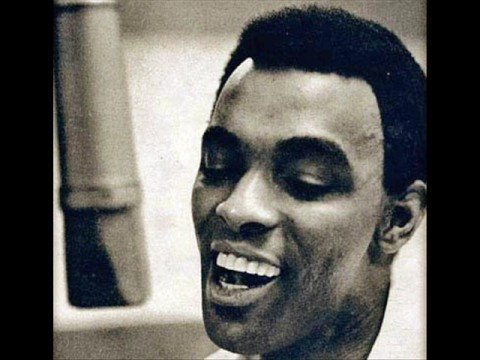


→ More from the 1960s File
View all 1960s hits →




Keep digging