The 1960s File Feature
I'd Rather Be An Old Man's Sweetheart (Than A Young Man's Fool)
I'd Rather Be An Old Man's Sweetheart (Than A Young Man's Fool) by Candi Staton The Arrival of a Southern Soul Powerhouse Travel back to the summer of 1969, …
01 The Story
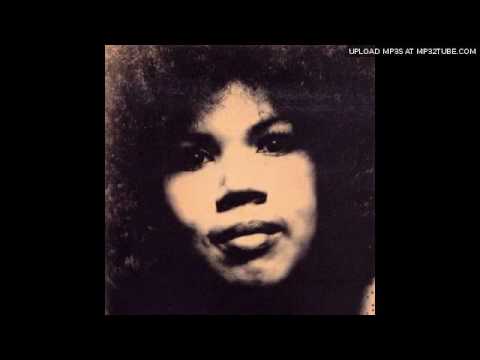
"I'd Rather Be An Old Man's Sweetheart (Than A Young Man's Fool)" by Candi Staton
The Arrival of a Southern Soul Powerhouse
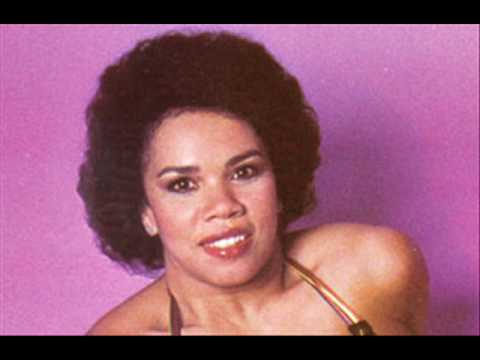
Travel back to the summer of 1969, deep into the heart of Southern soul's most fertile era, and you can practically feel the humidity of the studios where this music was made. This was the world of raw, gospel-drenched vocals, gritty rhythm sections, and songs that spoke plainly about love, hardship, and hard-won wisdom. Into that world came Candi Staton, a singer whose voice carried the full weight of the Black church and the blues, powerful, aching, and utterly commanding. She had come up through gospel before crossing into secular soul, and everything she sang bore the mark of that background. "I'd Rather Be An Old Man's Sweetheart" was her breakthrough, the record that announced her as a major voice in Southern soul. It introduced a singer who would go on to a long and remarkable career spanning soul, disco, and gospel across the decades.
The Muscle Shoals Sound
The record is steeped in the deep-soul tradition, all earthy grooves and emotional directness, the kind of Southern soul that put feeling above polish. Staton's voice is the centerpiece, delivering the song's frank message with total conviction and a lived-in wisdom that belied any notion of a rookie. There is grit and warmth in equal measure, a rhythm section that locks into a slow, purposeful pocket, and horns that punctuate the emotion without ever overwhelming the voice. The track showcases the classic sound of Southern soul, built to serve a great singer's emotional truth. It is unpretentious and deeply human, music that trusts the power of a real voice singing about real life. That authenticity was the currency of the genre, and Staton had it in abundance.
A Confident Climb Up the Hot 100
The single's chart run marks a genuine breakthrough. "I'd Rather Be An Old Man's Sweetheart" debuted on the Billboard Hot 100 on June 21, 1969, at number 88. It then climbed steadily and impressively, leaping to 71, then 59, then 49, and reaching number 46 in successive weeks, a strong and confident ascent. The single peaked at number 46 during the week of July 19, 1969, and spent eight weeks on the Hot 100. Crossing onto the pop chart at all was a significant achievement for a Southern soul record rooted in the R&B tradition, and a peak in the mid-forties signaled that Staton's talent was reaching well beyond the soul audience. It was the sound of a star being born, a first major statement from a singer with much more to give.
Soul at a Crossroads
The context of 1969 gives the song added resonance. Soul music was at a creative peak, with artists across the South and in Detroit producing some of the most enduring recordings in American history. It was also a moment of profound social significance, as Black artists asserted their voices with new power and pride during a turbulent chapter in the nation's story. Candi Staton emerged as part of this rich and consequential wave of Southern soul talent. Her frank, grown-up perspective and formidable voice fit perfectly into an era that valued emotional honesty above all. This breakthrough placed her among the significant voices of a golden age.
The First Chapter of a Long Legacy
In the grand sweep of Candi Staton's career, this single is where it all began in earnest, the foundation of a legacy that would stretch across generations. She would later become a disco icon and a beloved gospel artist, sustaining relevance across an extraordinary span of years. Yet this early Southern soul gem remains a cornerstone of her story, the record that first revealed the depth of her gift. Today it endures as a treasured entry in her catalog, holding around 70,000 YouTube views, cherished by soul devotees and by fans who have followed her remarkable journey.
Press Play and Hear a Star Emerge
Put this one on and you hear the full force of Southern soul in one voice. Candi Staton sings with wisdom, grit, and heart, delivering hard-earned truth over a slow-burning groove. It is soul music at its most honest and most powerful. Press play and witness the beginning of a great career.
"I'd Rather Be An Old Man's Sweetheart (Than A Young Man's Fool)" — Candi Staton's singular moment on the 1960s charts.
02 Song Meaning
The Meaning Behind "I'd Rather Be An Old Man's Sweetheart (Than A Young Man's Fool)"
Wisdom Over Youthful Illusion
The meaning of this song is stated plainly and boldly in its title, and that directness is its strength. The lyric makes a clear-eyed choice: better to be cherished by an older, devoted man than to be toyed with by a careless younger one. The central theme is the value of being loved and respected over the fleeting thrill of youthful excitement. It is a statement of hard-earned wisdom, the perspective of a woman who has seen enough of love's disappointments to know what actually matters. The song trades romantic fantasy for practical, grown-up truth.
A Woman's Frank Perspective
What makes the song striking, especially for its time, is the confident female voice at its center. This is a woman stating her preferences and defending her choices without apology. The emotional message is one of self-respect and clear-headed judgment about what she wants from love. There is no naivety here, no romantic delusion. Instead there is agency, a woman weighing her options and declaring, with full conviction, that security and genuine devotion outweigh the empty flattery of someone who would only make a fool of her. That assertiveness gives the song real backbone.
Security Versus the Chase
Underneath the specific scenario runs a universal tension between passion and stability, between the exciting and the dependable. The song argues, without preaching, that steady devotion is worth more than dazzling but unreliable romance. It captures a choice that people of all ages recognize, the decision between what glitters and what lasts. By framing that choice so bluntly, the song invites the listener to consider their own priorities in love, all while never losing its emotional warmth.
A Bold Statement for 1969
Placed in the context of 1969, a song centering a woman's frank desires and clear-eyed judgment carried a quiet strength. This was an era of shifting attitudes, and a female soul singer asserting her own standards for love reflected a growing confidence in women's voices within the music. The song's plainspoken female agency gave it a resonance beyond simple romance. Delivered by a powerhouse singer, it landed as both personal truth and a subtle statement of independence.
Why Its Truth Still Holds
The song endures because the wisdom it offers never goes out of date. The choice between being genuinely valued and being carelessly used is one every generation faces anew. Its lasting appeal lies in the timeless truth that real love and respect outweigh shallow excitement. Carried by Candi Staton's commanding voice, that message feels less like advice than like hard-won gospel. Anyone who has learned the difference between being cherished and being played will recognize exactly what she means, and that is why the song still lands.
→ More from Candi Staton
View all Candi Staton hits →

→ More from the 1960s File
View all 1960s hits →




Keep digging