The 1970s File Feature
In The Ghetto
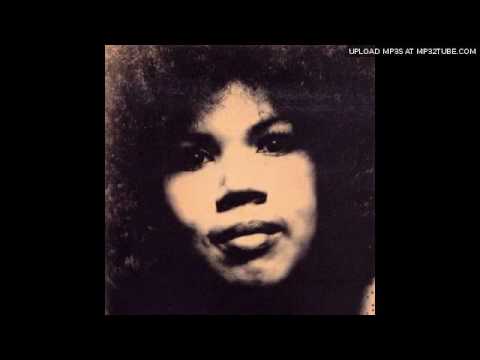
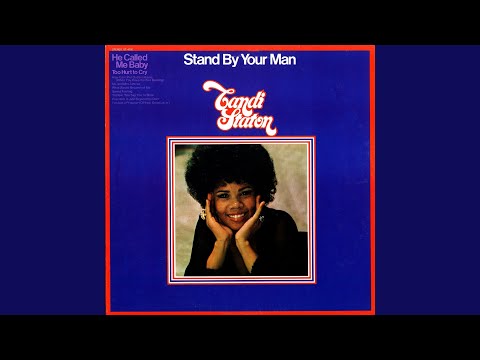
"In The Ghetto" — Candi Staton A Song That Carried Its Own Weight By 1972, "In The Ghetto" had already established itself as one of the signature social comm…
01 The Story
"In The Ghetto" — Candi Staton
A Song That Carried Its Own Weight
By 1972, "In The Ghetto" had already established itself as one of the signature social commentary songs of the rock era through Elvis Presley's widely heard 1969 recording. Mac Davis had written it as an unflinching account of the cycles of poverty and violence in American urban life, and Presley's version had given it an enormous commercial platform. When Candi Staton recorded her own interpretation for release in 1972, she brought a fundamentally different kind of authority to the material: not the celebrity sympathy of a white Southern rock star, but the lived experience of a Black woman from Hanceville, Alabama who had grown up understanding exactly the world the song described.
Candi Staton's Voice and Biography
Staton's path to recording "In The Ghetto" ran through one of the most significant environments in American soul music. She had recorded for Fame Studios in Muscle Shoals, Alabama, producing a series of recordings in the late 1960s and early 1970s that placed her among the finest soul vocalists of her generation. Her voice combined gospel training with a directness that could make even familiar material feel newly urgent. When she approached "In The Ghetto," she was not performing sympathy from a distance; she was singing about conditions she recognized and understood at a cellular level. That difference is audible in every phrase of the recording.
The Hot 100 Run
Staton's recording of "In The Ghetto" debuted on the Billboard Hot 100 on June 24, 1972, entering at number 86. The climb was gradual but sustained across a full summer of radio play: 73, 61, 57, 55 through July, continuing upward through August. The single reached its peak of number 48 on August 12, 1972, where it held before beginning its descent. The track spent 11 weeks on the Hot 100, a solid run that reflected the depth of Staton's regional and national audience for soul music during this period. The peak position of 48 kept the single from the top forty, but the sustained chart presence indicated genuine commercial traction across multiple radio formats.
Soul Music and Social Witness in 1972
The early 1970s were a remarkable period for soul music that engaged with social and political reality. Marvin Gaye's What's Going On had appeared in 1971 and expanded the language of what soul music could address. Curtis Mayfield was producing work of extraordinary political depth. Staton's "In The Ghetto" occupied this same landscape, choosing material that made no attempt to look away from inequality and suffering. The choice to record a song previously associated with Elvis was itself a kind of reclamation, an assertion that the material belonged more authentically to the tradition it described than to the pop star who had made it famous.
Staton's Legacy Beyond the Chart
Candi Staton's career extended through decades of recording in soul, country, gospel, and dance music, making "In The Ghetto" one chapter in a long and varied story. Her 1976 recording of "Young Hearts Run Free" would eventually become one of the most celebrated recordings of the disco era, introducing her to entirely new audiences. But the 1972 "In The Ghetto" stands as evidence of her early artistic seriousness, her willingness to engage with material that made demands on both performer and listener. The recording invites comparison to its famous predecessor and earns its place in that conversation through sheer vocal authority.
Staton's broader body of work from this period remains underappreciated in the official histories of early 1970s soul, partly because she operated outside the major label systems that generated the most critical attention and partly because her stylistic range made her difficult to categorize. She moved between soul, gospel, and country with a fluency that made strict genre classification feel inadequate. Her time at Fame Studios in particular produced recordings that ranked alongside the best work being made anywhere in American popular music during those years. "In The Ghetto" fits within that body of work as a document of the specific quality she brought to socially engaged material: total commitment without sentimentality, clarity without coldness.
Listen to it back to back with the Presley version and hear what biography and lived experience bring to the same set of words.
"In The Ghetto" — Candi Staton's singular moment on the 1970s charts.
02 Song Meaning
"In The Ghetto" — Meaning and Legacy
The Cycle That Mac Davis Named
Mac Davis wrote "In The Ghetto" as a portrait of a specific and devastating social reality: the way poverty reproduces itself across generations, trapping individuals in circumstances that their own efforts alone cannot overcome. The lyric traces the arc of a child born into deprivation, who grows into anger, who turns to crime, who dies violently while another child is being born into the same conditions. This narrative structure made the song unusual in the pop canon: it was not a protest song in the agitprop sense but something more like a short story, a compressed social novel told in verses and chorus. The song demanded that listeners follow a complete human trajectory and sit with its implications.
Candi Staton's Interpretive Authority
When Candi Staton recorded the song in 1972, she brought a particular interpretive weight that transformed the material's emotional register. The song in Presley's version was sympathetic and sincere but necessarily observed from outside the conditions it described. Staton's version collapsed that distance. Her vocal commitment was total, rooted in a gospel tradition that understood suffering not as an abstraction but as a lived condition demanding acknowledgment. This difference is not about assigning blame to any recording but about recognizing what different biographical relationships to subject matter can produce in interpretation.
1972 and the Politics of Soul Music
The American urban crisis that "In The Ghetto" described had intensified significantly between its original 1969 recording and Staton's 1972 version. Urban renewal projects, continued economic disinvestment from Black neighborhoods, and the ongoing fallout from the riots of the late 1960s had deepened rather than resolved the conditions Mac Davis had named. Soul music in 1972 was responding to this reality across a wide range of recordings, from Marvin Gaye's extended meditations to the funk politics of James Brown. Staton's "In The Ghetto" placed itself within this tradition of soul music as social document, insisting that the chart and the conscience were not separate categories.
The Cover Version as Commentary
The decision to record a cover version carries meaning beyond the simple commercial calculation. When Staton chose "In The Ghetto," she was making a statement about the song's ownership, cultural as much as legal. The argument embedded in the choice was that material describing Black American poverty spoke most truly through Black American voices. This argument did not require explanation in 1972; it was audible in the performance itself. The song's continued resonance in Staton's version reflects the enduring accuracy of its social portrait and the enduring power of her vocal commitment to its truth.
"In The Ghetto" — Candi Staton's singular moment on the 1970s charts.
→ More from Candi Staton
View all Candi Staton hits →

→ More from the 1970s File
View all 1970s hits →




Keep digging