The 1960s File Feature
Fools Rush In (Where Angels Fear To Tread)
The Story Behind Brook Benton's Fools Rush In (Where Angels Fear To Tread) A Smooth-Voiced Star Interpreting a Standard By late 1960, Brook Benton had alread…
01 The Story
The Story Behind Brook Benton's "Fools Rush In (Where Angels Fear To Tread)"
A Smooth-Voiced Star Interpreting a Standard
By late 1960, Brook Benton had already established himself as one of the era's most reliable hitmakers, a warm-voiced baritone whose smooth, sophisticated delivery had carried numerous singles into the upper reaches of the charts throughout the late 1950s and into the new decade. This song found him tackling a beloved pop standard with roots stretching back to the early 1940s, reinterpreting a song already familiar to generations of listeners and giving it fresh life for an entirely new audience.
A Standard With Deep American Songbook Roots
The song had already been recorded by numerous major artists across multiple decades before Benton ever entered the studio, having originated as a popular standard during the World War II era and continuing to attract new interpretations from vocalists across genres in the years since its original composition. Benton's version brought his own distinctive warmth and controlled phrasing to material with an already well-established pedigree, positioning his rendition within a long lineage of respected and celebrated interpretations by earlier singers.
Benton's Signature Warmth Applied to Classic Material
What distinguished Benton's take was the same smooth, conversational vocal quality that had defined his earlier hits, a delivery style that made even familiar, well-worn material feel personal and immediate. His ability to inhabit a song's emotional core without resorting to theatrical vocal flourishes gave this standard a grounded sincerity that helped it connect with audiences already familiar with numerous prior versions of the tune.
A Strong Climb Into the Upper Twenties
The single debuted on the Billboard chart on November 14, 1960, entering at number 54. It then climbed steadily over the following weeks, moving to 40, then 31, before reaching a peak position of number 24 during the week of December 5, 1960. Altogether, the song spent ten weeks on the Hot 100, a strong and consistent run that reaffirmed Benton's standing as one of the period's most dependable chart presences on radio.
Part of an Impressively Consistent Run
This chart placement arrived amid one of the most commercially productive stretches of Benton's career, a period during which he seemed capable of turning nearly any well-chosen song, original or standard, into a genuine hit record. That consistency reflected both his natural vocal gifts and a keen instinct for selecting material perfectly suited to his particular strengths as an interpreter of song.
Bridging Generations of Popular Song
By successfully reinterpreting a song already decades old by the time he recorded it, Benton demonstrated the same bridge-building instinct that many of the era's great vocalists shared, an ability to make older material feel relevant to contemporary audiences without erasing its original character or intent. That skill helped keep beloved standards alive for new generations of listeners throughout the early 1960s and beyond, ensuring the song continued circulating on radio decades after its earliest recorded versions first appeared.
A Vocalist Trusted With the Classics
That Benton was entrusted, both by his label and by audiences, with material carrying such an established pedigree speaks to the level of respect he had earned as an interpreter, a singer capable of standing alongside decades of prior recordings without being overshadowed by any of them, regardless of how celebrated those earlier versions had already become.
A Lasting Testament to Interpretive Skill
Today, the song stands as a compelling reminder of just how skillfully Brook Benton could inhabit material written decades before his own recording career even began. Press play and you can hear exactly why this version found such a receptive audience, a warm, unhurried voice bringing genuine feeling to an already-cherished standard that had already survived multiple prior generations of interpretation.
"Fools Rush In (Where Angels Fear To Tread)" — Brook Benton's singular moment on the 1960s charts.
02 Song Meaning
What "Fools Rush In (Where Angels Fear To Tread)" by Brook Benton Is Really About
A Meditation on Reckless, Inevitable Love
At its core, this track explores the idea that falling in love often defies caution and good sense, framing the narrator as someone fully aware of the risks involved yet unable, or unwilling, to resist the pull of romantic attraction anyway. The title itself, drawn from an old proverb about foolish haste where wiser figures would hesitate, sets up the song's central tension between rational caution and total emotional surrender.
Brook Benton's Measured, Knowing Delivery
Brook Benton's smooth, controlled vocal approach brings a particular emotional nuance to this theme, delivering the song's acknowledgment of reckless love with warmth rather than anxiety or regret. That measured delivery suggests a narrator who has made peace with his own foolishness, embracing the risk of love rather than resisting it, a subtly different emotional coloring than some of the song's earlier, more anguished interpretations by other singers.
An Old Proverb Repurposed for Romance
By borrowing its central phrase from a much older cautionary proverb about rushing in where wiser heads fear to tread, the song cleverly repurposes a familiar piece of folk wisdom for romantic context. That familiarity gives listeners an immediate emotional shorthand, understanding instantly that the narrator recognizes the risk even as he chooses to accept it willingly and without regret.
Vulnerability Dressed as Wisdom
Rather than presenting romantic vulnerability as weakness, the song frames it as a kind of knowing acceptance, the narrator understanding fully that love rarely follows sensible rules yet choosing to embrace it anyway. That framing gives the track an emotional sophistication beyond a simple declaration of romantic feeling, acknowledging risk while still choosing connection over caution every time.
A Standard's Enduring Emotional Core
Part of what allowed this song to be reinterpreted successfully across so many decades and by so many different vocalists is the universality of its central emotional premise, the sense that love inevitably involves risk regardless of how carefully anyone tries to guard against heartbreak. Benton's version taps directly into that timeless quality, letting the song's familiar wisdom feel freshly considered rather than simply repeated once again.
Why the Sentiment Still Resonates
Even removed from its original World War II-era origins, the song's central observation about love's disregard for caution remains entirely relevant to listeners today. Benton's warm, unhurried interpretation captures that timelessness particularly well, offering a reminder that some emotional truths remain constant no matter how many decades pass between recordings of the same song.
A Standard Renewed With Sincerity
Ultimately, Benton's rendition succeeds by trusting the material's inherent strength, adding warmth and personality without ever needing to reinvent a song that had already proven its lasting emotional value many times over.
→ More from Brook Benton
View all Brook Benton hits →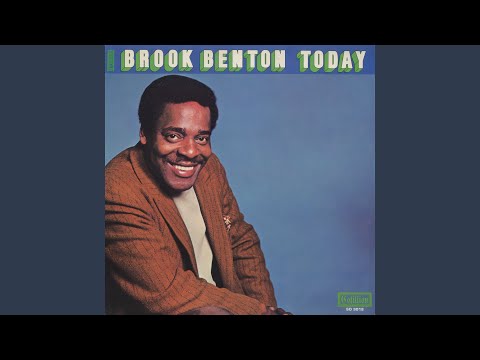


→ More from the 1960s File
View all 1960s hits →




Keep digging