The 1960s File Feature
When You Loved Me
Brenda Lee Aches With Memory on When You Loved Me By 1964, Brenda Lee was already a giant of American pop, a powerhouse vocalist whose enormous voice and emo…
01 The Story
Brenda Lee Aches With Memory on "When You Loved Me"
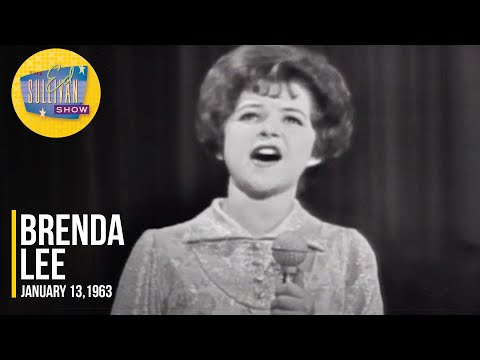
By 1964, Brenda Lee was already a giant of American pop, a powerhouse vocalist whose enormous voice and emotional intensity had made her one of the best-selling artists of the era despite her small stature and young age. "When You Loved Me" arrived as another showcase for her remarkable gifts, a heartfelt ballad of lost love and longing delivered with the dramatic vocal power and genuine feeling that had earned her the affectionate nickname Little Miss Dynamite.
Little Miss Dynamite
Brenda Lee had become one of the most successful singers in the world by the early 1960s, scoring a remarkable string of hits with her powerful, emotionally charged voice. A child star who matured into a pop and country powerhouse, she could deliver rollicking rockers and tender ballads with equal conviction, her enormous voice belying her diminutive size. By 1964 she was an established superstar, and "When You Loved Me" continued her run of emotionally resonant recordings, showcasing the dramatic balladry at which she excelled. A child star who became a global sensation, Lee had been recording hits since her early teens, her astonishing voice making her one of the best-selling artists of the era. What made her remarkable was the emotional maturity she brought to her ballads, an ability to convey heartbreak and longing far beyond her years. By the mid 1960s she was a seasoned veteran despite her youth, a true powerhouse of American pop.
A Ballad of Lost Love
The record is a heartfelt ballad, built on a dramatic arrangement and Brenda Lee's powerful, emotive vocal. The lyric reflects on a love that has ended, the narrator looking back with longing on a time when she was loved. Lee delivers the melancholy sentiment with genuine feeling, her voice conveying the ache of loss and memory. The arrangement supports her vocal with the lush, emotional production typical of early-1960s pop balladry, allowing her remarkable expressiveness to shine.
A Run on the Hot 100
The single entered the Billboard Hot 100 on August 8, 1964, at number 90 and climbed steadily, moving to 75, then 63, 57, and 54 over its early weeks. It eventually reached a peak of number 47 during the week of September 12, 1964, and it spent 7 weeks on the chart. That showing came during a challenging time for many American artists, as the British Invasion was dominating the charts, yet Lee's enduring popularity kept her a consistent presence with her emotionally powerful recordings.
Part of a Legendary Career
This record belongs to the remarkable catalog of one of the most successful and beloved singers of her era. Brenda Lee's powerful voice and emotional depth made her a star across pop and country, and her influence on later generations of vocalists is substantial. While this particular ballad may not be among her most famous hits, it demonstrates the dramatic vocal power and genuine feeling that defined her artistry, a fine example of why she remains so admired.
Why It Still Moves Listeners
The emotional power of Brenda Lee's voice retains its impact, and this heartfelt ballad showcases her remarkable expressiveness beautifully. There is genuine ache in her delivery. Cue it up, let that powerful voice carry the longing, and hear Little Miss Dynamite at her most moving. That she could hold her own against the British Invasion through the sheer power of her voice speaks to her extraordinary talent. There is genuine emotional depth in every line she sings. The recording showcases the dramatic vocal power and heartfelt feeling that made Brenda Lee one of the most admired singers of her generation, a true powerhouse despite her youth. It is a fine reminder of her remarkable gift. Press play and feel the memory.
"When You Loved Me" — Brenda Lee's singular moment on the 1960s charts.
02 Song Meaning
What "When You Loved Me" Is Really About
At its heart this is a song about lost love and the bittersweet memory of happier times. The narrator looks back with longing on a relationship that has ended, recalling the warmth and joy of when she was loved. It is a heartfelt expression of nostalgia and heartache, the painful contrast between a cherished past and a lonely present, delivered with Brenda Lee's powerful emotional intensity.
Looking Back on Love
The central theme is the bittersweet recollection of a past romance. Longing for a love that is gone drives the song, the narrator remembering the happiness of when she was loved and aching for its return. That nostalgic looking-back captures the pain of comparing a warm past with a cold present.
The Pain of Absence
Beneath the memory lies the sorrow of loss. Loneliness after love has ended runs through the lyric, the narrator feeling the emptiness left by the departed relationship. That sense of absence gives the song its emotional weight, the contrast between the joy remembered and the loneliness now felt.
Emotion Through Voice
What carries the song is the sheer power of Brenda Lee's delivery. Heartache rendered with vocal force defines the performance, her enormous, emotive voice conveying the depth of longing and loss. That vocal intensity becomes part of the meaning, the power of her singing communicating the ache of the lyric far beyond the words alone.
A Reflection of Its Era
The early 1960s embraced dramatic, emotional pop balladry that explored love and loss with intensity. This song reflects that sensibility, offering a heartfelt meditation on lost love wrapped in lush, emotional production. It belonged to a moment when powerful vocalists like Brenda Lee brought genuine feeling and drama to popular music.
Why It Resonated
Listeners connect to songs that capture the bittersweet ache of lost love, a feeling nearly everyone has known. The longing for happier times and the pain of absence speak to a universal experience, and Brenda Lee's powerful delivery made the emotion deeply affecting. The lasting appeal of "When You Loved Me" lies in that heartfelt longing, a moving meditation on lost love delivered by one of the great voices of her era. The ache of remembering happier times, of comparing a warm past with a lonely present, is something nearly everyone has felt. Brenda Lee gives that universal sorrow such powerful voice that the song lingers in the heart long after it ends. The bittersweet contrast between cherished memory and present loneliness is a feeling that crosses every generation, which is why her emotional ballads continue to move listeners decades later. The longing for a love that has slipped away, voiced with such genuine feeling, gives the song a heartache that anyone who has lost someone can understand.
→ More from Brenda Lee
View all Brenda Lee hits →



→ More from the 1960s File
View all 1960s hits →




Keep digging