The 1960s File Feature
Too Many Rivers
Brenda Lee's Too Many Rivers Step back to 1965, a moment of transition in American pop, when the established stars of the early 1960s were navigating a lands…
01 The Story
Brenda Lee's "Too Many Rivers"
Step back to 1965, a moment of transition in American pop, when the established stars of the early 1960s were navigating a landscape transformed by the British Invasion and the rise of new sounds. Among those established stars was Brenda Lee, the diminutive powerhouse known as "Little Miss Dynamite," whose enormous voice had made her one of the biggest hitmakers of the era. With the heartfelt ballad "Too Many Rivers," she proved she could still command the charts amid all the changes.
Little Miss Dynamite
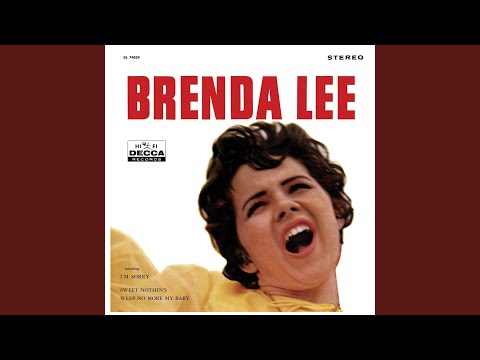
Brenda Lee had been a star since childhood, a prodigy whose remarkable voice belied her small stature and young age. Through the early 1960s she had racked up an extraordinary string of hits, from the rocking "Sweet Nothin's" to the perennial holiday favorite "Rockin' Around the Christmas Tree" and tender ballads like "I'm Sorry." By 1965 she was a seasoned veteran, one of the most successful female recording artists of her generation, with a voice that could swing from rockabilly fire to heartbreaking tenderness with ease. She remained a major force in popular music.
A Ballad Of Romantic Weariness
"Too Many Rivers" was a melancholy ballad about the obstacles and disappointments of love, using the metaphor of countless rivers to cross as an image of romantic struggle and exhaustion. Lee delivered it with the emotional depth and vocal power that were her trademarks, bringing genuine feeling to the tale of weary heartache. The arrangement was lush and supportive, framing her expressive voice in the polished, orchestrated style of the era. It was a showcase for her ability to wring real emotion from a song of romantic sorrow.
A Solid Top-Fifteen Hit
The single proved that Lee remained a chart force in the mid-1960s. "Too Many Rivers" debuted on the Billboard Hot 100 at number 96 on May 29, 1965, and climbed steadily through the early summer. It reached its peak of number 13 on July 31, 1965, and spent a healthy 13 weeks on the Hot 100. A top-15 placement in the competitive landscape of 1965 confirmed that Lee's appeal had endured even as musical tastes shifted around her. The song became one of her notable later hits, demonstrating her staying power in a changing era.
Surviving The Shifting Tides
The mid-1960s were a perilous time for the established American stars of the early part of the decade. The British Invasion and the rise of folk-rock and other new sounds remade the charts, and many performers who had thrived only a few years earlier found themselves struggling to stay relevant. Lee's continued chart success during this turbulent period spoke to the depth of her talent and the loyalty of her audience. Where others faded, she adapted, leaning into the emotional balladry that showcased her remarkable voice. A top-15 hit in 1965 was proof that her appeal rested on something more durable than passing fashion, the timeless power of a great singer delivering a song with genuine feeling.
A Late Gem In A Storied Career
While "Too Many Rivers" may be less famous than some of Brenda Lee's signature songs, it stands as a fine example of her later work and her enduring vocal gifts. Lee would go on to be recognized as one of the most successful and influential singers of her era, eventually earning induction into both the Rock and Roll Hall of Fame and the Country Music Hall of Fame. This single is a worthy entry in that remarkable catalog, a reminder of the emotional power and versatility that made Little Miss Dynamite a legend.
Press Play And Feel The Emotion
Cue this one up and let Brenda Lee's powerful, emotive voice carry you through the heartache. "Too Many Rivers" is a beautifully sung ballad of romantic weariness, a showcase for one of the great voices of its time. It is a window into the enduring artistry of Little Miss Dynamite. Press play and hear why Brenda Lee remained a star through every change in the music.
"Too Many Rivers" — Brenda Lee's singular moment on the 1960s charts.
02 Song Meaning
The Meaning Behind Brenda Lee's "Too Many Rivers"
The meaning of "Too Many Rivers" lies in its portrait of romantic exhaustion, the weary sense that the obstacles to love have become too numerous to overcome. The song uses the image of endless rivers to cross as a metaphor for the difficulties and disappointments that pile up in a struggling relationship. It is a meditation on the moment when love's challenges begin to feel insurmountable, when the heart grows tired of trying.
Rivers As Obstacles
The central metaphor of the song is powerful and evocative. Each river represents a barrier, a difficulty, a disappointment that must be navigated in the pursuit of love. The accumulation of too many rivers suggests a journey that has become exhausting, a path so full of obstacles that continuing seems almost impossible. The image captures the way romantic struggles can multiply until they overwhelm, leaving the heart weary and uncertain whether the destination is worth the crossing.
The Weariness Of The Heart
Beneath the metaphor lies a deep emotional fatigue. The narrator is not angry or bitter so much as tired, worn down by the repeated trials of a difficult love. This weariness is a mature and relatable emotion, the exhaustion that comes from loving someone through too many hardships. Brenda Lee's emotive delivery brings that fatigue to life, conveying the sense of a heart that has given much and grown tired in the giving. The feeling is one of resignation tinged with sorrow.
A Voice For Adult Heartache
The song reflects the more mature, emotionally complex pop balladry that thrived in the early-to-mid 1960s. This was music for grown listeners who understood that love involved struggle and disappointment, not just youthful romance. The orchestrated, sophisticated arrangement matched that adult sensibility, and Lee's powerful voice gave the heartache real gravity. The meaning of the song spoke to anyone who had loved through difficulty and felt the weariness it described.
The Dignity Of Endurance
Though the song dwells on exhaustion, it carries an undercurrent of quiet dignity. The narrator does not collapse into self-pity; she simply names her weariness honestly and acknowledges how much she has endured. There is strength in that honesty, a refusal to pretend the struggle has been easy. The song honors the resilience it takes to keep loving through hardship, even as it admits the toll that effort takes. That balance between weariness and quiet endurance gives the lyric an adult emotional truth, the recognition that perseverance in love is both costly and noble.
Why It Resonates
The song endures because the feeling it captures is profoundly human. The exhaustion of struggling through love's obstacles is something many people have experienced, and the river metaphor gives it a vivid, lasting image. Brenda Lee's emotive, powerful vocal makes that weariness deeply felt. That combination of evocative imagery and heartfelt delivery is what gives the song its quiet power. It does not offer easy answers or false comfort; it simply gives voice to the weariness of a struggling heart, and in that honesty, listeners find recognition and a strange solace.
→ More from Brenda Lee
View all Brenda Lee hits →



→ More from the 1960s File
View all 1960s hits →




Keep digging